

How to Ship Ductile Iron Pipes: A Logistics Guide
Shipping ductile iron pipes demands project-specific logistics planning, far beyond standard cargo handling.
The optimal shipping method is determined by a combination of factors including pipe diameter, order quantity, destination port, and the project’s installation schedule.
This guide explains the primary international shipping methods for ductile iron pipes, how to choose the best option, and the key risks buyers must control throughout the process. Successful logistics start with precise data, especially accurate pipe weight. For a foundational understanding, see Ductile Iron Pipe Weight: Calculation, Standards, and Practical Applications.
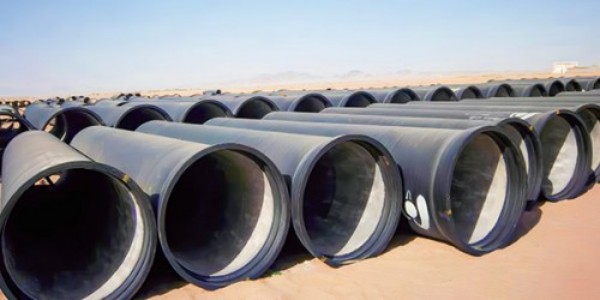
1. Optimal Shipping Methods by Pipe Diameter
Short answer:
| Diameter Range | Recommended Method |
|---|---|
| DN80 – DN300 | Container Shipping |
| DN300 – DN2600 | Break Bulk Shipping |
| DN400 – DN800 (special cases) | Flat Rack Containers |
2. A Closer Look at the Primary Shipping Methods
Container Shipping (Small Diameters)
Applicable range: DN80 – DN300
Containers: 20GP / 40GP
Advantages: Better protection from the elements; easier and faster customs clearance; ideal for small orders or spare pipes.
Limitations: Strict weight and dimension limits; not economical for large diameters or bulk volumes.
Key Planning Tool: Accurate weight calculation is critical. Use our dedicated guide on How to Calculate Ductile Iron Pipe Weight for Container Shipping to avoid overloads.
Break Bulk Shipping (The Project Standard)
Applicable range: DN300 – DN2600
Why It’s the Standard: Eliminates container size and weight restrictions; offers the lowest cost per ton for bulk shipments; ideally suited for large-scale municipal and industrial projects.
Key Requirement: Professional loading, lashing, and spacing are critical to protect the external coatings and pipe sockets during the voyage.
Flat Rack Containers (For Controlled Oversize Shipments)
Applicable range: DN400 – DN800
Used When: The destination port or logistics chain requires containerized handling; inland transportation mandates standardized equipment.
Trade-off: Higher freight cost compared to break bulk; equipment availability can be limited.
3. How Are Ductile Iron Pipes Packed for Shipping?
Proper packing prevents coating damage and pipe deformation, which directly impact installation quality and project timelines. The goal is to prevent metal-to-metal contact and shifting during transit.
Standard Packing Measures:
Wooden sleepers placed between layers
Rubber or plastic spacers at contact points
Protective caps for sockets and spigots
Steel banding with edge protectors
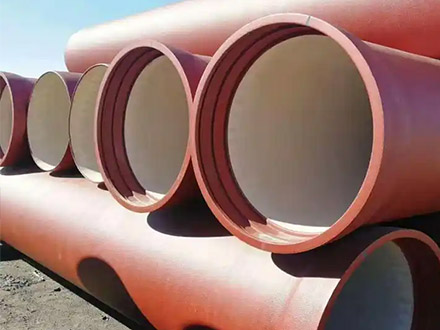
Note: Pipes with specialized linings (zinc-aluminum, epoxy, polyurethane, or PE) require extra surface protection protocols.
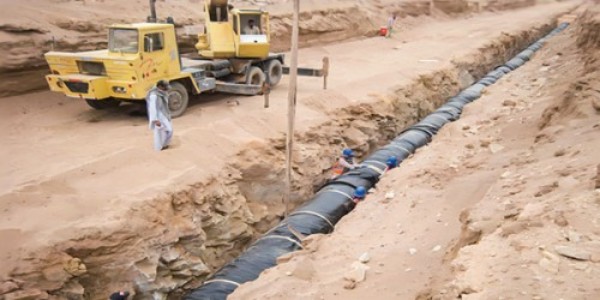
4. Essential Shipping Documents
Accurate documentation ensures smooth customs clearance and project compliance. A typical shipment requires:
Commercial Invoice
Detailed Packing List (DN, length, weight per pipe)
Bill of Lading
Certificate of Origin (if required for trade agreements)
Inspection or Test Reports (often required for projects)
Cargo Insurance Certificate (highly recommended for break bulk)
For government or municipal projects, document consistency is critical. Ensure all documents use consistent product descriptions and harmonized system (HS) codes. These documents should align with the product's International Standards & Certifications.
5. Why Accurate Weight Calculation Is Critical
Ductile iron pipe weights are not generic due to:
Socket-weight variations
Different wall thickness classes (K7, K9, K10)
Incorrect weight data can cause:
Port overweight penalties and fines
Rejection of cargo by the vessel
Unexpected surcharges for inland transport
Professional shipments always include:
Per-pipe weight breakdown
Certified total shipment tonnage
Verified stowage and loading plans
These documents are crucial for securing accurate freight quotes and avoiding port issues. Understanding how wall thickness class affects this weight is key; learn more in our comparison of K7 vs K9 vs K12: How Wall Thickness Affects Ductile Iron Pipe Weight.
6. Planning Inland Transportation After Port Arrival
Buyers must coordinate the final leg based on local constraints:
Truck axle load limits and route regulations
Crane or lifting capacity available at the jobsite
Temporary storage conditions (avoid direct ground contact)
Phased delivery aligned with the installation schedule
For large projects, staged delivery reduces storage risk and eases cash flow pressure. The weight of the pipes directly determines truck loading and crane requirements, impacting cost as analyzed in How Ductile Iron Pipe Weight Affects Transportation and Installation Cost.
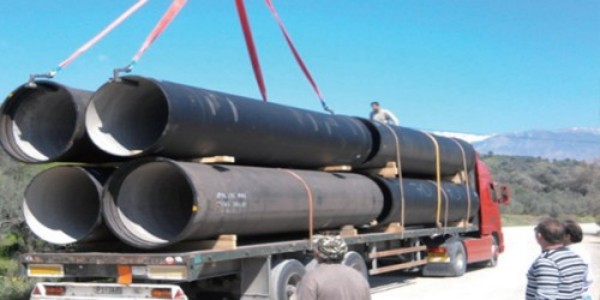
7. Common Shipping Risks and How to Avoid Them
Proactive management of these common risks is essential for a successful shipment:
| Risk | Prevention Strategy |
|---|---|
| Coating Damage | Use proper spacers and hire stevedores experienced in handling coated pipes. |
| Overweight Penalties | Provide accurate, certified pipe weight calculations from the manufacturer. |
| Project Delays | Align shipping schedules with the realistic construction timeline, building in buffer. |
| High Landed Cost | Choose the shipping method early in the project design phase for accurate budgeting. |
| Port Handling Issues | Work with freight forwarders and carriers who have proven experience in project cargo. |
8. Key Takeaway for Buyers
Ultimately, shipping ductile iron pipes is an integral component of project risk management, not merely a transportation task.
Early and professional logistics planning helps:
Reduce the total landed cost.
Protect pipe quality from factory to trench.
Keep the installation phase on schedule.
A Final Note from Tiegu, Your Ductile Iron Pipe Supplier:
Navigating international logistics is complex. As your supplier, our role extends beyond manufacturing. We provide the critical data—exact weights, dimensions, and packing specifications—and can offer guidance based on countless project experiences to help you select and coordinate the most suitable logistics partners, ensuring your order arrives on time, on budget, and in perfect condition.
From factory to jobsite, getting the logistics right is as vital as the quality of the pipe itself.
Expand Your Knowledge
To build a robust project plan, we recommend exploring these related resources:
Core Data & Calculation: Ensure your logistics are based on precise figures. Learn How to Calculate Ductile Iron Pipe Weight and use the Weight Chart for quick estimates.
Cost & Engineering Implications: Understand the full financial impact of your pipe specifications in How Weight Affects Transportation and Installation Cost. For large-diameter projects, review special considerations in our guide on Large-Diameter Pipe Weight & Safety.
Product & Specifications: All planning starts with the right product. Review the technical Sizes & Pressure Classes for your project, or explore our reliable Ductile Iron Pipe Products.
Large-diameter ductile iron pipes are heavy, long, and coated, making break bulk shipping the most common and cost-effective solution for major infrastructure projects. The choice heavily depends on the actual weight and dimensions. For quick weight reference of various diameters, consult our Ductile Iron Pipe Weight Chart: DN100–DN2000.
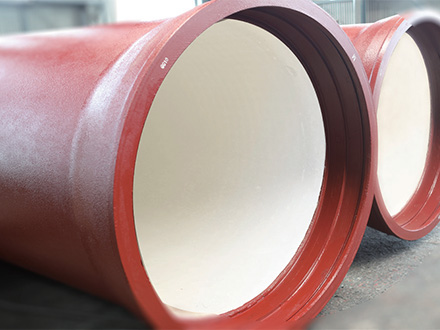 Sewage Pipe (Ductile Iron Sewage Pipe)
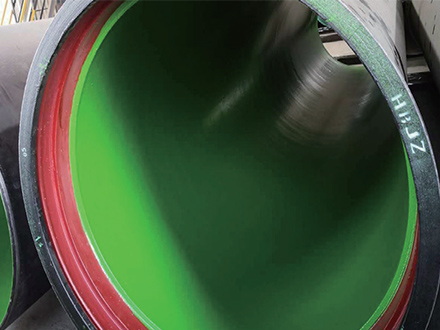 Special Coating Pipe (Ductile Iron Pipe with Special Coatings)
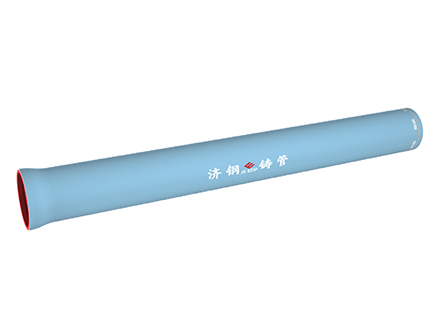 Dragging Pipe (Ductile Iron Dragging Pipe)