

How Ductile Iron Pipe Weight Affects Transportation and Installation Cost
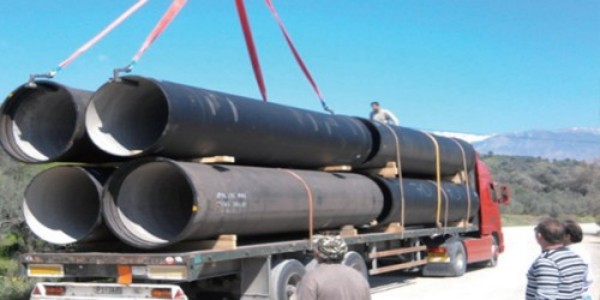
In ductile iron pipeline projects, pipe weight is one of the most underestimated cost drivers. Heavier ductile iron pipes increase transportation expenses, reduce container loading efficiency, require stronger lifting equipment, and raise installation labor costs. Even small differences in pipe weight—caused by wall thickness class, socket design, or pipe length—can lead to significant cost variations across shipping, handling, and on-site installation.
In short, ductile iron pipe weight directly determines how much you pay to transport, handle, and install each meter of pipeline.
Understanding the relationship between pipe weight and cost is therefore essential for accurate budgeting, logistics planning, and efficient project execution.
1. Why Ductile Iron Pipe Weight Matters Beyond Engineering Design
In engineering design, ductile iron pipe weight is often treated as a secondary parameter behind pressure rating, diameter, and strength. In real-world projects, however, weight directly affects cost at every stage of the supply chain.
From an operational perspective, ductile iron pipe weight influences:
Sea freight and container utilization
Inland transportation limits and compliance
Crane capacity and lifting methods
Installation speed and labor demand
Safety risks during handling and jointing
For international pipeline projects, pipe weight is not just a technical figure—it is a logistics and cost-control variable.
2. Transportation Cost: How Pipe Weight Drives Logistics Expenses
2.1 Sea Freight and Container Loading Efficiency
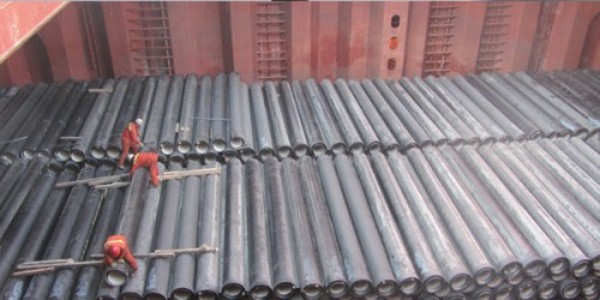
Ductile iron pipes are typically weight-limited rather than volume-limited in container shipping.
A standard 20’GP container has a maximum payload of approximately 28–28.5 tons
As pipe weight increases, fewer pipes can be loaded per container
Fewer pipes per container means a higher transportation cost per meter
For example, for DN300 pipes:
K7 class may allow over 80 pipes per 20’GP
K9 class may reduce this to 70–75 pipes
K12 class may drop below 65 pipes
Across multiple containers, these differences translate into substantial freight cost increases.
For international projects, transportation cost is often calculated per container rather than per meter, making pipe weight the decisive factor in total logistics cost.
2.2 Inland Transportation and Road Weight Limits
After port arrival, ductile iron pipes must be transported inland. Heavier pipes can lead to:
Overweight truck violations
Additional permits or escort requirements
Reduced truck loading capacity
Higher fuel and operating costs
In many regions, road regulations are stricter than port limits, making pipe weight a critical constraint in last-mile delivery.
3. Installation Cost: Weight’s Impact on Labor and Equipment
3.1 Lifting Equipment and Site Requirements
As pipe weight increases, installation requires:
Larger cranes or excavators
Higher-capacity slings and lifting accessories
Stronger and more stable working platforms
For large diameters (DN600 and above), pipe weight often determines whether standard excavators can be used or if dedicated cranes are required—a major cost difference.
3.2 Installation Speed and Labor Cost
Pipe weight also affects installation productivity:
Lighter pipes are easier to align and joint
Heavier pipes require slower, more controlled handling
In urban or restricted sites, heavier pipes often need additional manpower and longer installation time, increasing overall labor costs.
As pipe weight increases, installation cost rises non-linearly due to higher equipment requirements, slower handling, and increased safety constraints.
4. Wall Thickness Class: K7 vs K9 vs K12 and Cost Implications
Wall thickness class is one of the primary reasons ductile iron pipe weight varies.
K7: lighter weight, lower transport and installation cost
K9: balanced strength and weight, widely used for water supply
K12: heavier, higher cost, used for high-pressure or special conditions
While K12 offers higher strength, using it where not technically required often leads to unnecessary increases in shipping and installation cost.
This is why K9 ductile iron pipes are often the most cost-efficient choice, balancing weight, pressure capacity, and installation cost.
5. Socket, Lining, and Other “Hidden” Weight Factors
Many cost overruns occur because non-body weight is underestimated, including:
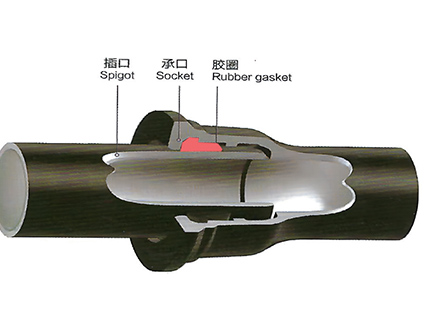
Socket (bell) weight
Cement mortar lining
External zinc and bitumen coatings
Packing materials such as wooden dunnage and steel strapping
For DN600 and larger pipes, socket weight alone can account for 10–15% of the total shipping weight.
In practice, ignoring socket and lining weight is one of the most common reasons for underestimated transportation and installation costs.
6. Cost Comparison: Lighter Pipes vs Heavier Pipes
Cost Aspect | Lighter Pipes (e.g. K7) | Heavier Pipes (e.g. K12) |
Sea freight per meter | Lower | Higher |
Containers required | Fewer | More |
Lifting equipment | Standard | Heavy-duty |
Installation speed | Faster | Slower |
Labor cost | Lower | Higher |
Safety margin | Moderate | Higher |
This comparison shows why pipe weight selection should align with actual engineering requirements, not overly conservative assumptions.
7. Practical Recommendations for Cost Control
Cost control starts with weight control. The following practices help reduce unnecessary transportation and installation expenses:
Select the correct wall thickness class based on design pressure and soil conditions
Use accurate shipping weight data, including socket and lining
Optimize pipe length (e.g., 5.5 m vs 6 m) for container loading
Coordinate early with freight forwarders and logistics teams
Plan lifting methods during the design stage, not on site
These steps help avoid last-minute changes that often drive costs up.
8. When Heavier Pipes Are Still the Right Choice
Despite higher logistics and installation costs, heavier ductile iron pipes are justified when:
High internal pressure cannot be avoided
Aggressive soil conditions exist
External loads are significant
Trenchless or special installation methods are required
In these cases, higher upfront costs may be offset by reduced lifecycle risk and longer service life.
Conclusion
Ductile iron pipe weight plays a decisive role in both transportation and installation cost. From container loading efficiency to crane selection and labor productivity, weight influences nearly every cost element of a pipeline project.
For international ductile iron pipe projects, weight optimization is one of the most effective ways to reduce total project cost without compromising safety or performance.
By understanding how pipe weight interacts with logistics and construction realities—and by selecting specifications that match actual project needs—project owners and contractors can achieve safer installations, lower costs, and more predictable project outcomes.
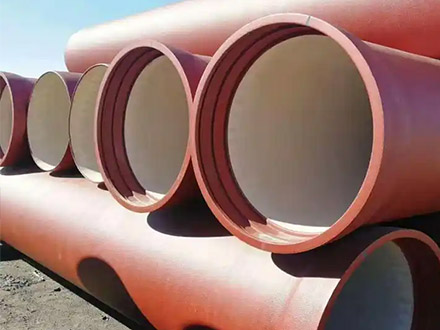
 GT-type Joint Ductile Iron Pipe
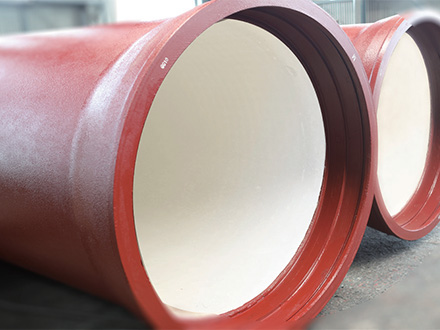 Sewage Pipe (Ductile Iron Sewage Pipe)
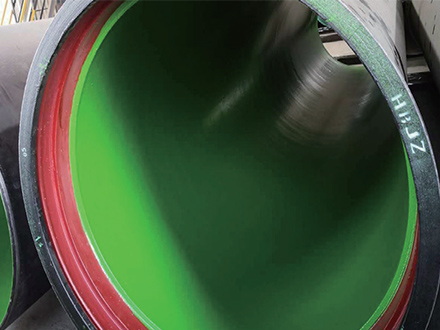 Special Coating Pipe (Ductile Iron Pipe with Special Coatings)