

K7 vs K9 vs K12: How Wall Thickness Affects Ductile Iron Pipe Weight
Introduction
Ductile iron pipes (DIPs) are widely used in water supply, sewage, and drainage systems due to their strength, durability, and long service life.
Among the most commonly specified wall thickness classes, K7, K9, and K12 play a critical role in determining ductile iron pipe weight, pressure performance, and installation requirements.
Understanding how wall thickness affects pipe weight helps engineers, contractors, and procurement teams make informed decisions—balancing structural safety, logistics efficiency, and project cost.
This guide compares K7 vs K9 vs K12 ductile iron pipes, focusing on wall thickness, weight differences, and typical applications. For a foundational understanding of why pipe weight matters, you can start with our overview on Ductile Iron Pipe Weight: Calculation, Standards, and Practical Applications.
1. What Do K7, K9, and K12 Mean?
K7, K9, and K12 are wall thickness classes, as defined in standards such as ISO 2531 and EN 545.
Important clarification:
The K value is not a direct pressure rating.
It is a coefficient used to determine the nominal wall thickness of the pipe.
The nominal wall thickness is calculated as:
e = K × (0.5 + 0.001 × DN)
Where:
e = nominal wall thickness (mm)
K = wall thickness class (7, 9, 12, etc.)
DN = nominal diameter (mm)
General interpretation:
K7 → thinner wall, lighter pipe
K9 → standard wall thickness, balanced performance
K12 → thicker wall, heavier pipe
The specific wall thickness derived from this formula directly influences the final weight. To understand the complete calculation process, refer to our guide on How to Calculate Ductile Iron Pipe Weight.
2. How Wall Thickness Directly Affects Pipe Weight
From an engineering standpoint:
Greater wall thickness → larger metal cross-section → higher pipe weight
Because the pipe’s nominal diameter remains the same, wall thickness is the primary factor causing weight differences between K classes.
This directly impacts:
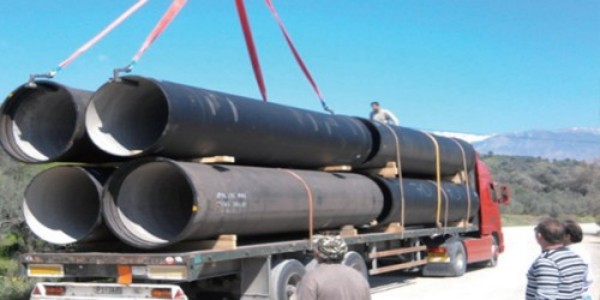
Transportation and container loading
Lifting and handling requirements
Installation cost and safety
Structural performance under internal and external loads
The financial implications of this weight difference are significant. For a detailed analysis of how increased weight drives up expenses, see How Ductile Iron Pipe Weight Affects Transportation and Installation Cost.
3. Comparative Wall Thickness and Weight (DN300 Example)
Based on typical ISO / EN practice, the table below illustrates how wall thickness and weight change with K class for DN300 pipes.
| Pipe Class | Wall Thickness (mm) | Weight per Meter (kg/m) | Typical Socket Weight (kg) | Total Weight (6 m Pipe, kg) |
|---|---|---|---|---|
| K7 | ~6.4 | ~45 | ~19 | ~290 |
| K9 | ~7.2 | ~51 | ~24 | ~323 |
| K12 | ~9.0 | ~63 | ~30 | ~400 |
Note: K12 values are approximate and may vary by manufacturer and joint design.
Key observations:
K7 → K9: ~10–15% weight increase
K9 → K12: ~20–25% weight increase
For large projects, these differences significantly affect logistics and installation planning. For a broader data set across all common diameters, consult our Ductile Iron Pipe Weight Chart: DN100–DN2000.
4. Typical Weight Comparison Across Pipe Diameters
The effect of wall thickness becomes more pronounced as pipe diameter increases.
| DN (mm) | K7 (kg/m) | K9 (kg/m) | K12 (kg/m) |
|---|---|---|---|
| 100 | ~15 | ~17 | ~18–20 |
| 250 | ~36 | ~40 | ~50 |
| 600 | ~122 | ~137 | ~165 |
| 1000 | ~275 | ~309 | ~365 |
This explains why higher K classes are more common for large-diameter pipelines. When planning the handling of such heavy pipes, specialized safety and lifting plans are required, as discussed in Weight Considerations for Large-Diameter Ductile Iron Pipes (DN1200+).
5. Engineering Performance Differences by K Class
Pressure and Structural Capacity
Thicker walls improve resistance to internal pressure and pressure surges.
Higher K classes provide greater safety margins under unfavorable installation conditions.
However, actual pressure rating depends on design calculations, not K value alone.
Installation and Handling Impact
K7 pipes are lighter and easier to handle.
K12 pipes often require larger cranes, stronger lifting gear, and stricter safety planning.
Socket weight becomes a critical factor for DN800 and above, a key consideration in How to Calculate Ductile Iron Pipe Weight for Container Shipping.
6. Typical Applications by Wall Thickness Class
K7 Ductile Iron Pipes
Best suited for: Gravity sewer systems, low to medium pressure pipelines, shallow burial with good soil support.
Advantages: Lower weight, easier transportation, lower overall cost.
K9 Ductile Iron Pipes
Most widely used for: Municipal water supply, urban water distribution networks.
Why K9 is popular: Balanced strength and weight, compatible with most installation conditions, widely accepted by international standards. Our K9 Ductile Iron Pipe product page provides detailed specifications.
K12 Ductile Iron Pipes
Preferred for: High-pressure water mains, deep burial installations, poor soil or heavy traffic load conditions.
Trade-offs: Higher pipe weight, increased transportation and installation cost.
7. Impact of Wall Thickness on Project Cost and Logistics
Transportation
Heavier pipes reduce the number of pipes per container.
Higher K classes increase freight cost per meter.
Selecting the correct shipping method is crucial, as outlined in our Logistics Guide: How to Ship Ductile Iron Pipes.
Installation
Larger lifting equipment is required.
More demanding site safety management is needed.
Lifecycle Considerations
Thicker walls provide better resistance to corrosion and mechanical damage.
Longer service life can offset higher upfront cost.
8. Frequently Asked Questions (FAQ)
Q1: Is K9 always better than K7?
No. K9 offers higher wall thickness, but K7 may be sufficient for low-pressure projects with good installation conditions.
Q2: Does K12 automatically mean higher pressure rating?
Not necessarily. Pressure capacity depends on design pressure, safety factors, and installation conditions.
Q3: Why are higher K classes common for large diameters?
Larger pipes are more sensitive to external loads and installation stresses, requiring thicker walls.
Q4: Does higher weight always mean better pipe quality?
No. Proper design and correct wall thickness selection matter more than weight alone. All selections should be based on pipes manufactured to relevant International Standards & Certifications.
9. Conclusion
The difference between K7, K9, and K12 ductile iron pipes lies primarily in wall thickness, which directly affects pipe weight, handling requirements, and engineering performance.
Choosing the right K class helps project teams balance:
Safety and durability
Transportation and installation efficiency
Total project cost
Further Reading & Resources
To deepen your knowledge and make informed decisions, explore our related guides:
Data & Calculation: Use the Ductile Iron Pipe Weight Chart for quick reference or learn the How to Calculate Ductile Iron Pipe Weight in detail.
Logistics & Cost: Plan your shipment efficiently with our guide on How to Ship Ductile Iron Pipes and understand the financial impact in How Weight Affects Transportation and Installation Cost.
Product & Specifications: Review the technical Sizes & Pressure Classes for your project, or browse our full range of Ductile Iron Pipe Products.
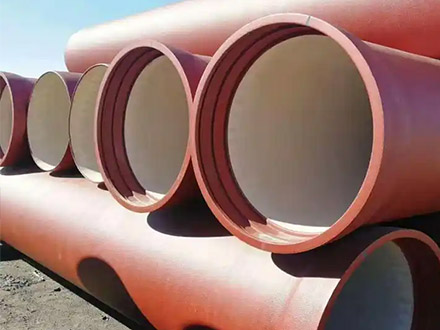
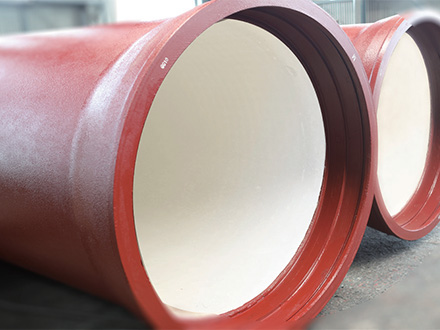 Sewage Pipe (Ductile Iron Sewage Pipe)
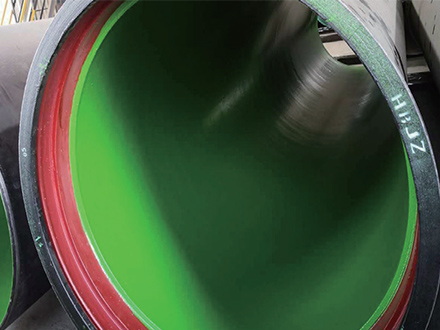 Special Coating Pipe (Ductile Iron Pipe with Special Coatings)
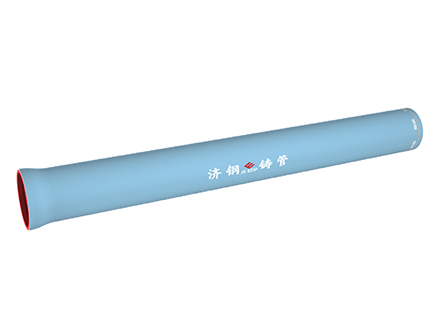 Dragging Pipe (Ductile Iron Dragging Pipe)