

Ductile Iron Pipe Weight: Calculation, Standards, and Practical Applications
Introduction
Ductile iron pipes are widely used in global infrastructure projects, including potable water networks, wastewater systems, and industrial pipelines. Thanks to their high strength, durability, and proven service life, they remain a preferred solution for municipal and utility applications across Europe, the Middle East, Southeast Asia, Africa, and the Americas.
Among the many technical parameters involved in pipeline design, ductile iron pipe weight is one of the most influential—but often misunderstood. Pipe weight affects not only handling and transportation, but also installation methods, structural support design, pressure performance, and overall project cost.
This article serves as a central reference on ductile iron pipe weight, explaining how weight is determined, which international standards govern it, and how weight considerations apply in real engineering and construction scenarios worldwide.
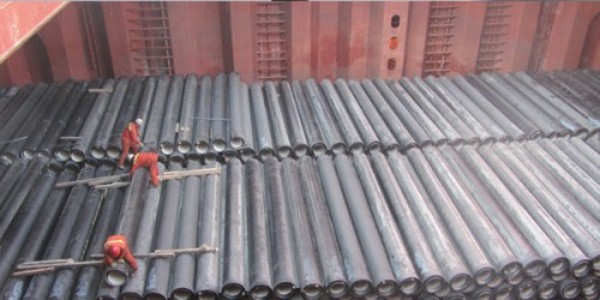
What Is Ductile Iron Pipe Weight and Why Is It Important?
Ductile iron pipe weight refers to the mass of the pipe body per unit length, typically expressed in kilograms per meter (kg/m) or pounds per foot (lb/ft). In most technical documentation, this value represents the iron pipe only, excluding internal linings, external coatings, and the weight of the conveyed fluid.
Understanding pipe weight is essential because it directly impacts:
Transportation planning and logistics costs
Lifting, handling, and installation safety
Design of supports, hangers, and thrust restraints
Pressure capacity and long-term structural reliability
Overall project efficiency and risk management
For engineers, pipe weight is a structural parameter.
For contractors, it defines equipment requirements.
For project owners, it influences cost control and construction safety.
How Is Ductile Iron Pipe Weight Determined? (Overview)
Ductile iron pipe weight is not estimated arbitrarily. It is determined through standardized design rules and controlled manufacturing processes.
In general, pipe weight is influenced by:
Nominal diameter (DN)
Wall thickness class (K class or pressure class)
Standard pipe length
Joint configuration (socket and spigot design)
Dimensional tolerances defined by standards
Manufacturers calculate pipe weight based on standardized minimum wall thickness requirements and the known density of ductile iron. Published weight values are therefore consistent and comparable when pipes conform to the same standard.
For detailed formulas and step-by-step examples, see
how to calculate ductile iron pipe weight.
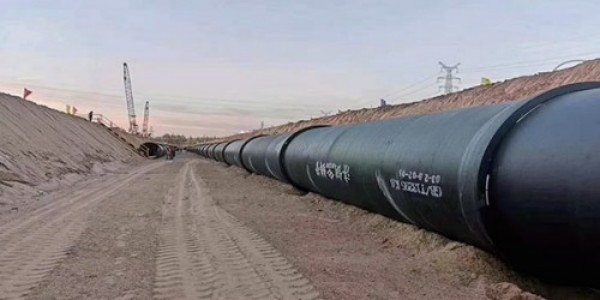
Key Factors Affecting Ductile Iron Pipe Weight
Pipe Diameter (DN)
Pipe diameter is the most significant factor influencing weight. As DN increases, pipe weight rises rapidly due to the combined effect of a larger circumference and increased wall thickness requirements for pressure resistance.
For large-diameter pipelines (DN1000 and above), pipe weight becomes a primary consideration for transportation, lifting, and installation planning.
Quick Data Lookup: Ductile Iron Pipe Weight Reference Table (DN100-DN2000)
Wall Thickness and K Class
Wall thickness is commonly defined by K classes such as K7, K9, and K12, or by pressure classes depending on the applicable standard.
Higher K classes correspond to thicker walls
Thicker walls result in greater pipe weight
Increased weight generally provides higher pressure capacity and safety margins
A detailed comparison is available in
K7 vs K9 vs K12 ductile iron pipe weight and strength.
Joint Design and Pipe Configuration
Socket-and-spigot joints add material beyond the straight barrel of the pipe. While the weight increase may be limited for small diameters, it becomes more noticeable for larger sizes and should be included in lifting and support calculations.
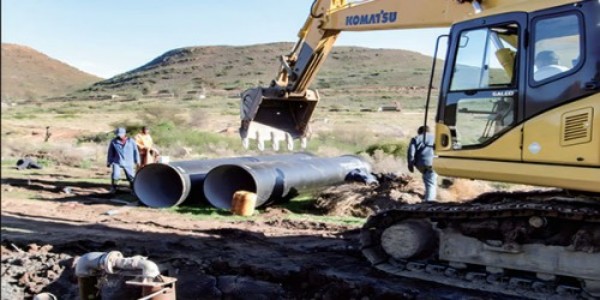
International Standards Governing Ductile Iron Pipe Weight
To ensure safety, reliability, and global compatibility, ductile iron pipes are manufactured in accordance with recognized international standards.
Commonly applied standards include:
ISO 2531 – International reference for water and sewage pipelines
EN 545 / EN 598 – European standards for potable water and wastewater systems
AWWA C151 – Widely used in North America and Latin America
GB/T 13295 – National standard applied in China and export projects
Although classification systems may differ, all of these standards define minimum wall thickness, dimensional tolerances, and mechanical properties—parameters that directly determine pipe weight.
Practical Engineering Implications of Pipe Weight
Transportation and Logistics
Pipe weight plays a critical role in truck loading, container shipping, and site logistics. Incorrect weight assumptions can lead to overloaded vehicles, higher freight costs, or inefficient use of container space.
For export-oriented projects, accurate weight calculation is essential when planning container shipments.
A practical guide is available in
ductile iron pipe container loading and shipping weight calculation.
Installation and Handling
Heavier pipes require larger cranes, stronger lifting equipment, and stricter safety procedures. Pipe weight also influences installation productivity, particularly in urban areas or restricted construction sites.
In push-on joint systems, the pipe’s own weight contributes to gasket compression, supporting secure and leak-tight joints when installed correctly.
Structural Design and Long-Term Performance
For above-ground pipelines, bridge crossings, or suspended installations, engineers must consider:
Pipe self-weight
Weight of linings and coatings
Weight of the conveyed fluid
Underestimating pipe weight can lead to excessive deflection, overstressed supports, or long-term structural issues.
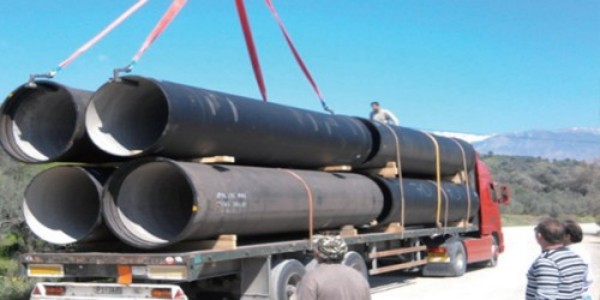
Pipe Weight in Large-Diameter and Specialized Installations
Pipe weight becomes even more critical in large-diameter and non-traditional installation methods.
DN1200+ pipelines require specialized lifting plans and handling strategies
Trenchless installations, such as pipe jacking or pulling, are highly sensitive to pipe mass
These scenarios are discussed further in
large-diameter and trenchless ductile iron pipe weight considerations.
Comparing Ductile Iron Pipe Weight with Other Materials
Weight is often a deciding factor when selecting between ductile iron, steel, and plastic piping systems.
Steel pipes may offer lower weight in thin-wall designs but often require additional corrosion protection
PE pipes are lighter but have different stiffness, pressure, and temperature limitations
Ductile iron provides a balance of strength, rigidity, durability, and predictable weight behavior
A full comparison is provided in
ductile iron pipe weight vs steel and PE pipes.
Frequently Asked Questions Seeing Similar Queries Globally
How is ductile iron pipe weight calculated?
Pipe weight is calculated based on diameter, wall thickness class, pipe length, and joint design, following standardized rules defined by international specifications.
Does pipe weight include cement lining or coatings?
No. Published pipe weight usually refers to the iron pipe body only. Linings and coatings add additional mass and should be considered separately in logistics and structural calculations.
Why do pipes with the same DN have different weights?
Differences arise from wall thickness class, applicable standards, joint configuration, and manufacturing tolerances.
Is heavier ductile iron pipe always better?
Not necessarily. Higher weight usually means thicker walls and higher pressure capacity, but excessive weight may increase transportation and installation costs without proportional benefits.
How does pipe weight affect transportation cost?
Heavier pipes reduce loading efficiency and may increase freight cost. Weight optimization is especially important for long-distance and overseas shipments.
Further Reading & Resources
Now that you understand the fundamentals of ductile iron pipe weight, explore the following articles for in-depth data, calculation methods, and application guides to support your project from design to installation.
1. Core Data & Comparisons
《K7 vs K9 vs K12: How Wall Thickness Affects Ductile Iron Pipe Weight》– A detailed comparison of how different wall thickness classes impact weight, performance, and cost for precise specification.《Ductile Iron Pipe Weight Chart: DN100–DN2000》– Quick-reference weight-per-meter data for common sizes, useful for initial budgeting and planning.
2. Precise Calculation & Practice
《How to Calculate Ductile Iron Pipe Weight》– A step-by-step guide with formulas and examples to determine the exact pipe body weight.《How to Calculate Ductile Iron Pipe Weight for Container Shipping》– A logistics-focused guide on calculating the total shipping weight (including socket and coatings) to prevent container overload.
3. Cost Control & Logistics
《How Ductile Iron Pipe Weight Affects Transportation and Installation Cost》– A quantitative analysis of how pipe weight directly impacts your sea freight, inland transport, and on-site installation budget.《How to Ship Ductile Iron Pipes: A Logistics Guide》– Learn the optimal shipping methods for different diameters (DN80-DN2600), packing requirements, and risk management.《Weight Considerations for Large-Diameter Ductile Iron Pipes (DN1200+)》– A specialized guide for major projects, focusing on lifting safety and trenchless installation planning.
4. Technical Standards & Products
All design and calculations are based on reliable products. For detailed information on the
International Standards & Certificationsour pipes comply with, or to check specificSizes & Pressure Classes, please visit our technical library.Explore our full range of solutions by browsing our
Ductile Iron Pipe Products, including the widely specified K9 class pipes.
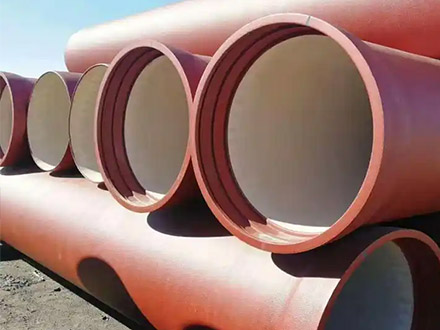
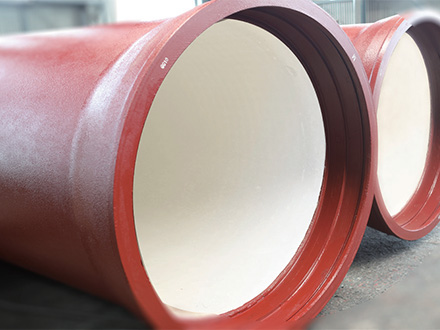 Sewage Pipe (Ductile Iron Sewage Pipe)
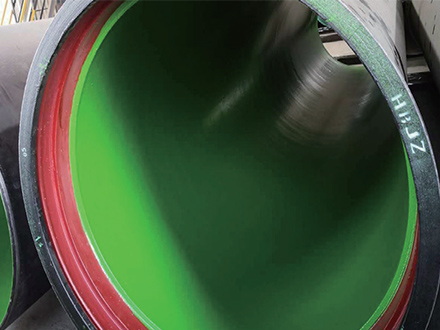 Special Coating Pipe (Ductile Iron Pipe with Special Coatings)
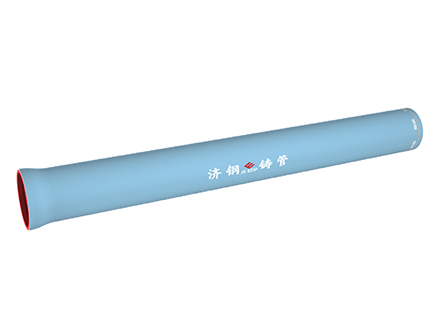 Dragging Pipe (Ductile Iron Dragging Pipe)