

How to Calculate Ductile Iron Pipe Weight?
Summary
Accurate weight calculation is essential for the design, procurement, and installation of ductile iron pipelines. This article provides the complete formula, a step-by-step calculation example, and explains the critical differences between nominal and shipping weight to ensure your project planning is both safe and economical.
Introduction
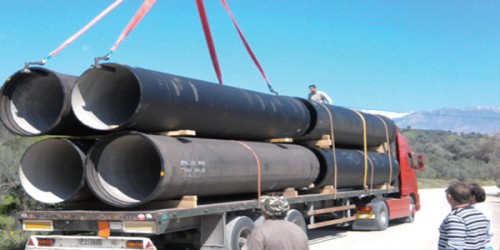
Understanding how to calculate ductile iron pipe weight is a fundamental skill for engineers, contractors, and project managers. Whether you are designing pipeline supports, planning logistics, or preparing a bid, an accurate weight figure is crucial. This guide will walk you through the standard calculation method and highlight practical considerations that go beyond the basic formula.
1. The Standard Calculation Formula
The weight of a ductile iron pipe is calculated based on its volume and the density of ductile iron. The most common formula, applicable to straight pipe sections, is derived from the geometry of a cylinder:
Weight (kg) = π × (D - e) × e × L × ρ
Where:
π (Pi) ≈ 3.1416
D = External diameter of the pipe (meters)
e = Average wall thickness (meters)
L = Length of the pipe (meters)
ρ (Density) = Density of ductile iron, typically 7050 kg/m³
This formula calculates the metal weight of the pipe body. To understand how factors like wall thickness class (K9, K7, etc.) directly influence the ‘e’ value in this formula and the final weight, our guide onK7 vs K9 vs K12: How Wall Thickness Affects Ductile Iron Pipe Weightprovides a detailed comparison.
2. Step-by-Step Calculation Example
Let's calculate the weight of a DN300, K9 class, 6-meter long ductile iron pipe.
Step 1: Find the external diameter (D) and wall thickness (e).
For a DN300 pipe according to ISO 2531:
External Diameter, D = 0.3239 meters
For K9, the nominal wall thickness e = 0.0072 meters (7.2 mm)
Step 2: Apply the formula.
Weight = π × (D - e) × e × L × ρ
= 3.1416 × (0.3239 - 0.0072) × 0.0072 × 6 × 7050
Step 3: Calculate.
= 3.1416 × 0.3167 × 0.0072 × 6 × 7050
≈ 303 kg
This result represents the nominal pipe body weight. For quick reference without manual calculation, you can consult our Ductile Iron Pipe Weight Chart: DN100–DN2000.
3. Critical Factors Beyond the Basic Formula
The standard formula is a starting point. Accurate project planning must account for additional weight components:
Socket (Bell) Weight: The socket adds significant mass, especially in larger diameters (DN600+). This weight is often provided separately by manufacturers and must be added to the pipe body weight.
Internal Lining & External Coating: Cement mortar lining and zinc/aluminum coatings add extra mass. The contribution varies by thickness and diameter.
Manufacturing Tolerances: Standards allow slight variations in wall thickness, which can affect the final weight.
Ignoring these factors is a primary cause of logistical errors and cost overruns, particularly in shipping. For a dedicated guide on calculating the total weight for logistics (including all these elements), see How to Calculate Ductile Iron Pipe Weight for Container Shipping.
4. Nominal Weight vs. Shipping Weight: Why the Difference Matters
Nominal/Calculated Weight: Derived from the standard formula and minimum wall thickness. It is used for engineering design (e.g., stress analysis, support design).
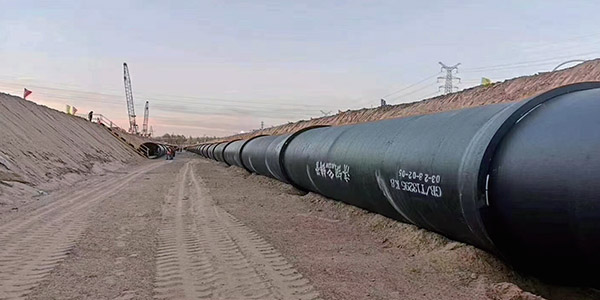
Shipping Weight: Includes the pipe body, socket, linings, coatings, and protective packaging. It is used for logistics planning (freight quotes, container loading, trucking).
Using the nominal weight for logistics will result in underestimation, leading to potential overweight fines, rejected cargo, and safety hazards. The impact of this weight difference on your project budget is substantial, as detailed in our analysis of How Ductile Iron Pipe Weight Affects Transportation and Installation Cost.
5. Application in Engineering and Logistics
Pipeline Design: Calculated weight is vital for designing thrust blocks, supports, and hangers.
Transportation Planning: Shipping weight determines the number of pipes per truck or container. Always refer to the Maximum Payload of the transport unit.
Installation & Safety: The total weight dictates the capacity requirements for cranes, excavators, and lifting slings, ensuring safe handling on-site. For large-diameter pipes, this planning is critical, as covered in our article on Weight Considerations for Large-Diameter Ductile Iron Pipes (DN1200+).
6. How to Get the Most Accurate Weight Data
While calculation is essential, the most reliable source is the manufacturer's certified weight table. When requesting quotes, always ask for:
Pipe body weight per meter
Socket weight for the specific joint type
Estimated weight increase for standard linings/coatings
These specifications are derived from the applicable International Standards & Certifications(ISO 2531, EN 545) and precise Sizes & Pressure Classes. Our product data for K9 Ductile Iron Pipe and other classes always includes this critical information.
7. Common Mistakes to Avoid
Using DN (Nominal Diameter) directly in the formula. Always use the actual external diameter (D).
Forgetting to add socket weight. This can account for 10-15% of total weight in large pipes.
Confusing nominal weight with shipping weight for logistics contracts.
Not verifying the wall thickness class (K value) of the pipe being purchased.
Conclusion
Mastering the calculation of ductile iron pipe weight requires both understanding the standard formula and accounting for all real-world additions. By distinguishing between nominal weight for design and shipping weight for logistics, you can prevent costly errors and ensure a smoother project execution from the drawing board to the trench. Always partner with a supplier who provides transparent and certified weight data for every pipe.
Further Reading
To build a complete understanding of ductile iron pipe weight and its implications, we recommend exploring these related guides:
Core Concept & Data: Start with the overview in Ductile Iron Pipe Weight: Calculation, Standards, and Practical Applications and use theWeight Chart for quick reference.
Specification Choice: Understand how Wall Thickness (K7, K9, K12) drives weight and performance differences.
Cost & Logistics Planning: See how weight impacts your budget in Transportation and Installation Cost and plan your shipment with our comprehensiveLogistics Guide.
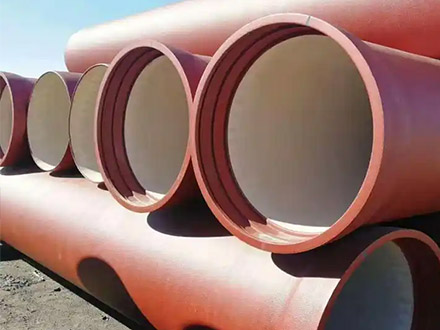
 Sewage Pipe (Ductile Iron Sewage Pipe)
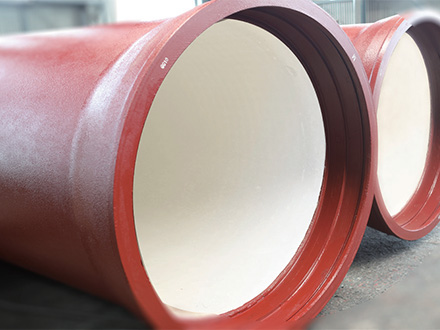
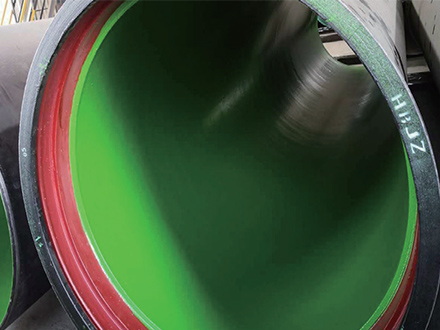 Special Coating Pipe (Ductile Iron Pipe with Special Coatings)
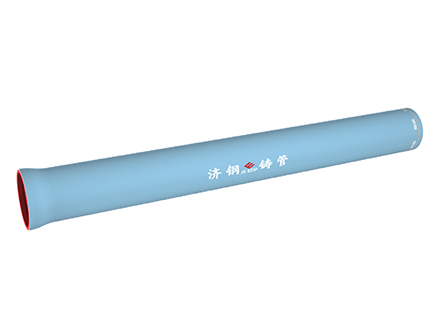 Dragging Pipe (Ductile Iron Dragging Pipe)