

Why K12 Ductile Iron Pipe Is Preferred for High-Pressure Water Systems | Technical Guide
Introduction
Ductile iron pipes are widely used in municipal and industrial water supply systems due to their superior mechanical strength and long service life. Among all pipe classes, ductile iron pipe K12 is the preferred choice for high-pressure water systems, providing enhanced wall thickness, excellent pressure resistance, and long-term operational security. To understand how K12 compares to other common wall thickness classes, read our detailed guide on K7 vs K9 vs K12: How Wall Thickness Affects Ductile Iron Pipe Weight.
For more information on our pipeline and casting products, visit our Homepage or explore our Ductile Iron Pipe Products
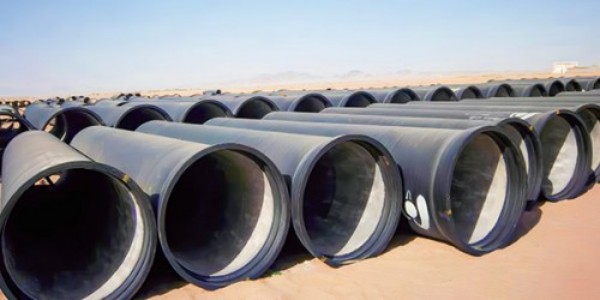
What Is K12 Ductile Iron Pipe?
K12 is a pipe class defined under ISO 2531 and EN 545 standards. The “class” indicates wall thickness, which directly determines pressure handling capability.
Compared with K8 or K9, K12 ductile iron pipe provides:
Thicker wall sections
Higher internal pressure resistance
Stronger external load bearing
Better long-term reliability
It is specifically selected for demanding, high-pressure engineering scenarios. For a comprehensive overview of pipe weight and standards, see Ductile Iron Pipe Weight: Calculation, Standards, and Practical Applications.
Mechanical Strength Advantages of K12
The high ductility and toughness of ductile iron make it an ideal pipeline material. The K12 class further enhances these advantages.
Key Strength Benefits
Tensile strength: > 420 MPa
Yield strength: > 300 MPa
Excellent impact resistance
Higher hoop strength due to thick walls
This makes K12 suitable for environments with pressure fluctuations, water hammer, and heavy ground load conditions.
Pressure Performance in Water Systems
High-pressure water transmission systems often face dynamic surge pressures. K12 can safely manage these stresses.
Performance Highlights
Higher allowable working pressure
Better surge-pressure absorption
Enhanced safety margin during pump cycles
Reduced risk of line bursts
Typical high-pressure scenarios include pumping stations, long-distance mains, and pipelines with significant elevation differences.
Wall Thickness & Structural Advantages
The core characteristic of K12 ductile iron pipe is its increased wall thickness.
Structural Benefits
Higher hydrostatic pressure resistance
Enhanced ground load capacity
Suitable for deep trench installations
Better performance in unstable or rocky soil
These advantages significantly extend pipeline service life and reduce maintenance frequency. The increased wall thickness directly contributes to the pipe's weight, which is a key factor in logistics planning as explained in How Ductile Iron Pipe Weight Affects Transportation and Installation Cost.
Corrosion Resistance & Protective Coatings
K12 ductile iron pipes use multiple protective layers to ensure durability:
Cement mortar lining for smooth and clean water flow
Bitumen or fusion-bonded epoxy coating
Zinc or Zn–Al alloy spray coating for soil-side protection
For corrosion-resistant casting solutions, explore our Casting Products and Ductile Iron Materials
Where K12 Is Recommended
K12 is typically specified in environments requiring higher-than-normal safety and pressure requirements.
Common Applications
High-pressure municipal water mains
Pumping station discharge pipelines
Mountain or high-elevation systems
Deep installations under heavy traffic
Industrial water transmission networks
When maximum stability and long-term security are priorities, engineers select K12. For projects involving large diameters, additional considerations are outlined in Weight Considerations for Large-Diameter Ductile Iron Pipes (DN1200+).
K12 vs. Other Pipe Classes
K12 vs. K9
| Feature | K9 | K12 |
|---|---|---|
| Wall thickness | Medium | Thick |
| Pressure capacity | Moderate | High |
| Recommended use | Standard pressure | High pressure |
| Durability | Good | Excellent |
Comparison With Other Materials
Steel Pipe: Higher corrosion tendency, more expensive maintenance
HDPE Pipe: Lower pressure capacity, higher deformation under load
K12 offers the best balance between performance, durability, and lifecycle cost.
Cost & Lifecycle Advantage
Although K12 may cost more initially, it reduces long-term project expenses.
Lifecycle Benefits
Lower leakage risk
Fewer pressure-related failures
Minimal maintenance
50+ years of design lifespan
Higher safety for urban or industrial installations
The choice of K12 impacts the total project budget not only through material cost but also through logistics. Learn how pipe weight influences overall expenses in How Ductile Iron Pipe Weight Affects Transportation and Installation Cost.
For procurement of ductile iron pipe materials, contact us through Contact Us for technical support and quotations.
Conclusion
Ductile iron pipe K12 is the industry-preferred solution for high-pressure water systems based on its:
Superior mechanical and pressure performance
Increased wall thickness for structural stability
Excellent corrosion protection
Long-term operational reliability
Whether for municipal, industrial, or complex terrain water delivery systems, K12 provides unmatched performance and long-term value.
Expand Your Technical Knowledge
To support your high-pressure pipeline project planning, we recommend exploring these related resources:
Core Concepts & Comparisons: Deepen your understanding of wall thickness classes with our guide on K7 vs K9 vs K12: How Wall Thickness Affects Ductile Iron Pipe Weight.
Data & Calculations: For precise planning, refer to the Ductile Iron Pipe Weight Chart: DN100–DN2000 and learn the How to Calculate Ductile Iron Pipe Weight.
Logistics & Cost Analysis: Plan the shipment of your heavy-duty K12 pipes efficiently with our Logistics Guide: How to Ship Ductile Iron Pipes and understand the financial implications in How Weight Affects Transportation and Installation Cost.
Product Specifications: Review the technical Sizes & Pressure Classes for your project, or explore our full range of reliable Ductile Iron Pipe Products.
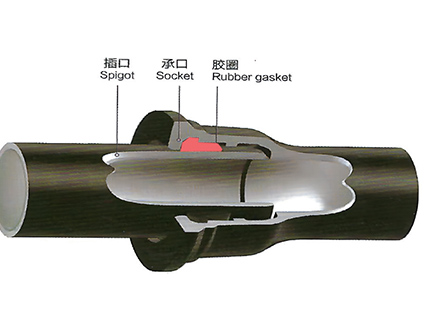 GT-type Joint Ductile Iron Pipe
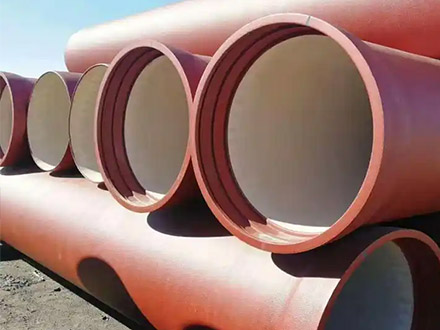
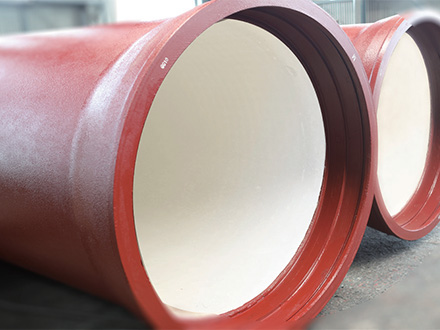 Sewage Pipe (Ductile Iron Sewage Pipe)
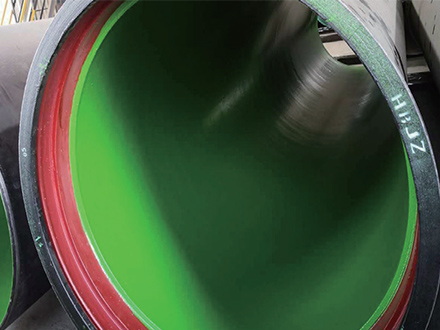 Special Coating Pipe (Ductile Iron Pipe with Special Coatings)