

Ductile Iron Pipe for Rural Water Supply and Bulk Water Transfer in Africa

Rural water supply in Africa rarely runs on a single, flat pressure profile. Water is lifted from a borehole or river intake, pushed through a pump station, carried across kilometres of uneven ground in a bulk transfer main, then branched into low-pressure village networks. Tiegu supports these schemes by confirming the pipe specification segment by segment — intake, pump station, bulk main, and village branch — so the diameter, pressure class, joint, and lining match each duty before the order is placed and the bundles are inspected before loading. One specification error at the pump-station outlet is multiplied across every household downstream.
Why rural and bulk transfer matter in Africa
Many African water programmes prioritise reaching dispersed rural communities where network coverage has lagged. That means long bulk mains moving water from a source or treatment plant to a cluster of villages, then smaller distribution lines inside each settlement. The engineering duty is not exotic — it is a pressure staircase: high at the pump, moderate along the bulk main, low at the tap — but getting the pressure class right at each step is what keeps the system from leaking or bursting.
Ductile iron pipe suits this staircase because it is available across a wide pressure range and handles both the thrust at a pump-station outlet and the steady buried duty of a village line. It is also robust to the handling reality of rural sites, where pipes may sit in storage longer and be laid by mixed crews.
How DIP fits the duty range
The same material family covers very different duties:
Pump-station outlet and rising mains run at the highest pressure in the system. Selecting the right pressure class here prevents joint separation and wall fatigue.
Bulk transfer mains carry water across distance at moderate pressure, where internal linings protect both the water quality and the pipe wall.
Village distribution branches operate at lower pressure but need the same reliability, because a failure here cuts supply to homes directly.
Specifying one class for the whole chain is either wasteful or unsafe; segmenting the specification is the disciplined approach, and it is exactly what a tender specification should spell out.
Joints and uneven terrain
Rural mains cross laterite ridges, seasonal streams, and settled ground that shifts with the wet and dry seasons. Flexible joints with angular deflection let the line follow gentle grade changes and absorb small settlement without special fittings, which reduces the number of thrust blocks and concrete anchors needed in the field. For areas with corrosive or variable soils, the external protection is chosen alongside the joint type so the buried pipe survives the ground it sits in.
Where a line must cross a road or waterway, trenchless or directional methods can be planned, but most rural bulk mains are open-cut with the flexible joint doing the alignment work. The joint choice is therefore a terrain decision as much as a pressure decision.
Linings for potable water
Village water is potable water, so the internal lining is a public-health choice, not just a corrosion choice. Cement-mortar lining is the common specification for drinking-water duty, protecting the wall and keeping the delivered water within acceptable quality. The lining must be confirmed on the mill test certificate and the coating/lining certificate so the shipped pipe matches the health requirement, not only the mechanical one.
Bulk transfer vs last-mile village networks
The two ends of a rural scheme are specified differently:
Bulk transfer mains use larger diameters and higher pressure classes, and are laid for long, straight runs between source and community. They are the expensive backbone, so joint reliability and coating life dominate the decision.
Last-mile village networks use smaller diameters, lower pressure, and more branching fittings. Here the priority is service continuity and ease of repair, because the network is closest to the user.
A DIP sourcing solution that covers both segments lets a buyer coordinate one supplier chain for the whole staircase rather than splicing incompatible materials at the branch point.
Rural scheme realities beyond the pipe
The pipe is only one part of a rural water system, and several site realities shape how it should be specified and shipped. Pipes for dispersed villages often sit in storage longer before laying, so the coating and lining choice and stacking discipline matter more than on a compact city job. Pump stations may be solar, diesel, or grid-powered, and the duty profile at the outlet changes with that choice — a solar-driven rising main can see softer, more variable pressure than a diesel set running at a steady rate, which affects the pressure class selected at the pump. Spare fittings and joints should be planned as part of the order, because a broken branch fitting can silence a whole village line until the next shipment arrives. Community operation and maintenance is where many schemes succeed or fail, so clear standards and marking, traceability through the MTC, and simple joint types reduce the skill needed to keep water flowing between technician visits.
What Tiegu verifies before the contract
As a sourcing and export partner, Tiegu's pre-contract check for rural and bulk schemes focuses on the points that fail in the field:
Segment the pressure class. We confirm the class at the pump-station outlet, along the bulk main, and at the village branch, rather than applying one class throughout.
Match the joint to the terrain. Flexible deflection joints are specified where grade changes or settlement are expected, with thrust blocks noted at anchors.
Confirm the potable-water lining. The internal lining is verified against the health standard and recorded on the MTC and lining certificate.
Protect against the soil. External coating is selected with the local soil and climate in mind, especially for laterite or saline conditions.
Tie inspection and documents to the shipment. The pre-shipment inspection and export documents are prepared so the bundles arriving at the rural site match the segmented specification.
A practical checklist for rural project buyers
Before you commit to a rural DIP order, confirm these points:
The pressure class is stated separately for pump station, bulk main, and village branch.
The joint type is chosen for the actual terrain, with deflection allowance where the grade changes.
The internal lining meets the potable-water requirement and is certified on the MTC.
The external coating suits the soil conditions along the route.
The supplier chain covers both bulk and branch segments under one documented specification.
If your team wants a second review of the segmented specification, inquire about rural and bulk transfer pricing → and we will map the duty staircase to your source and villages before you place the order.
Frequently asked questions
Can one pressure class cover a whole rural scheme?
It can, but it is usually wrong. The pump-station outlet sees the highest pressure, while village branches see the lowest. Specifying per segment avoids both over-cost and under-strength pipe; a tender specification should list the class at each step.
Why are flexible joints important for rural mains?
Rural lines cross uneven, shifting ground. Flexible joints with angular deflection follow grade changes and absorb settlement without special fittings, reducing field anchoring work and joint failures. That matters most where access is poor and crew time is short, because fewer thrust blocks and anchors means faster, lower-risk laying.
What lining is used for village drinking water?
Cement-mortar lining is the common potable-water choice, protecting the wall and the water. It must be confirmed on the mill test certificate so the shipped pipe meets the health standard, not only the mechanical one. For schemes drawing from boreholes or surface sources, that documented lining also protects the pipe from the water chemistry it carries every day.
Should bulk mains and village branches use different materials?
They can, but coordinating both under one DIP sourcing solution avoids incompatible joints at the branch point and simplifies inspection and documentation. Using one material family across the staircase also means one spare-parts pool and one traceability record. The alternative — splicing two systems at the branch — is a common source of leaks and confusion at the worst possible point.
Does Tiegu supply both segments of a rural scheme?
Tiegu coordinates the specification, inspection, and export documentation across the whole duty staircase — intake, pump station, bulk main, and village branch — so the arriving bundles match the segmented specification rather than a single generic class. The bundles are inspected against the per-segment class before loading, so the pump-station outlet and the village branch arrive verified together. That single coordinated order is what keeps a dispersed rural scheme from becoming several incompatible mini-projects.
Tiegu is a China-based ductile iron pipe sourcing and export partner. We help international buyers specify, verify, and ship ductile iron pipe and fittings that are manufactured according to the required standards — with one-stop sourcing solution from specification review through pre-shipment inspection, export documentation, and logistics.
Inquire about specifications and pricing → https://www.ductileironpipe2600.com/index.php?c=category&id=16
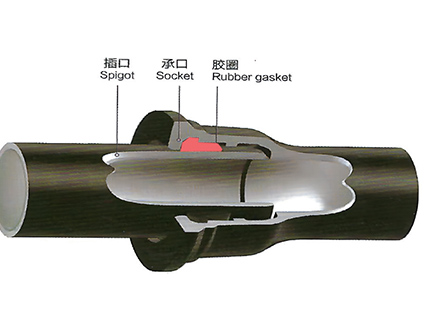 GT-type Joint Ductile Iron Pipe
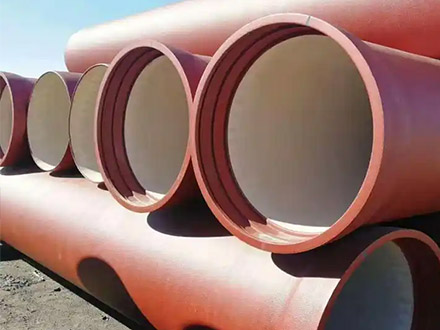
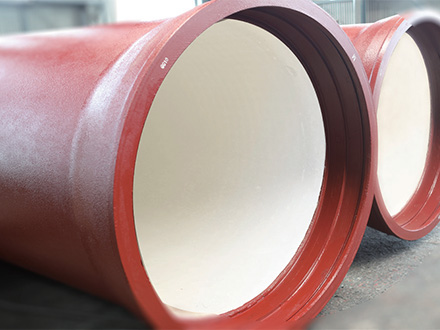 Sewage Pipe (Ductile Iron Sewage Pipe)
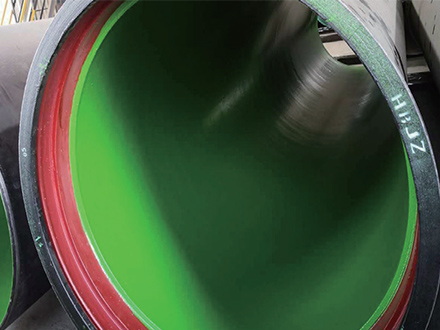 Special Coating Pipe (Ductile Iron Pipe with Special Coatings)