

Ductile Iron Pipe vs GRP and HDPE in African Water Projects
Ductile Iron Pipe vs GRP and HDPE in African Water Projects

African water programmes often reopen the same question before the specification is fixed: should the main be ductile iron pipe (DIP), glass-reinforced plastic (GRP), or high-density polyethylene (HDPE)? Each material is a legitimate engineering choice, but they behave very differently under pressure, in aggressive soil, across uneven terrain, and over a 50-year service life. Tiegu supports African buyers by framing the DIP-vs-GRP-vs-HDPE choice around the actual duty — pressure profile, soil and climate, handling reality, and whole-life cost — before the specification is locked, so the selected material matches the project rather than a generic preference. The wrong call is rarely about quality; it is about matching the pipe to the ground and the duty it will carry.
Why the material question comes up in Africa
Many African schemes combine long bulk-transfer mains, pump-station risers, and dispersed village branches in one programme. The pressure staircase is steep, the soils range from laterite to saline, and sites are often remote with mixed laying crews. In that context a single "best material" rarely fits every segment, and the comparison has to be made per duty rather than per continent.
DIP, GRP, and HDPE each solve a different part of the problem. DIP is the rigid, high-pressure, jointed option; GRP is the light, corrosion-resistant, adhesive-jointed option; HDPE is the flexible, fused, chemically inert option. Knowing where each one earns its place is the real decision.
How the three materials compare
Ductile iron pipe (DIP). A rigid ferrous pipe with a wide pressure class range, mechanical or push-on joints that allow angular deflection, and a cement-mortar internal lining for potable duty. It is heavy and robust, and it survives buried thrust and site handling well.
GRP (glass-reinforced plastic). A lightweight composite with good corrosion resistance and low weight, but a more limited pressure envelope at large diameters and bell-and-spigot or adhesive joints that need clean, controlled conditions. It is sensitive to impact and UV exposure during storage.
HDPE (high-density polyethylene). A flexible thermoplastic joined by butt or electrofusion, immune to corrosion, and very light to handle. Its pressure rating falls at large diameters, and it expands and moves more with temperature, which affects anchoring and thrust restraint.
The honest summary is that none is "better" in the abstract — DIP wins on pressure and buried duty, GRP on weight and corrosion where pressure allows, and HDPE on flexibility and chemical inertness for lower-pressure, fused systems.
Where DIP fits best in African schemes
DIP is the strongest candidate where the duty is demanding: pump-station risers and rising mains at high pressure, bulk-transfer backbones that must stay leak-tight for decades, and networks laid through laterite or saline soil where external protection is part of the compliance story. Its flexible joints with angular deflection let the line follow uneven grade without special fittings, which matters on rural mains crossing ridges and seasonal streams.
Because DIP is specified, verified, and traced through a mill test certificate, it also suits programmes — including MDB-funded tenders — where the audit trail and the standard reference (ISO 2531, EN 545, AWWA C151) are part of the file.
Where GRP or HDPE may win
GRP earns its place in lower-pressure, corrosion-driven lines where weight and handling are decisive — for example, where long non-pressurised or low-pressure runs cross difficult access and crane capacity is limited. HDPE fits lower-pressure distribution, effluent, or chemically aggressive services where fusion joints and chemical inertness outweigh the need for high pressure rating or rigid thrust resistance.
The mistake is importing one material's strength into a segment that needs another's. A pump-station outlet specified in HDPE without proper thrust restraint, or a long bulk main in GRP beyond its pressure envelope, is where these schemes fail.
Buried duty, soil, and climate
African soils are hard on every material in their own way. Laterite and saline conditions demand verified external protection on ferrous pipe; DIP addresses this with zinc and polyethylene coating systems selected to the local soil and climate. GRP and HDPE avoid metallic corrosion, but they shift the risk to joint integrity, UV during storage, and impact during handling — different failure modes, not the absence of risk.
Hydraulics and surge
Flow capacity and surge behavior differ sharply. DIP's smooth bore gives a high Hazen-Williams C, so it carries more flow at a given diameter and head loss. HDPE is also smooth but more flexible, so it absorbs water hammer and surge by moving, while DIP and GRP need deliberate thrust restraint and air valves. The material choice therefore changes the hydraulic design, not just the pipe.
Jointing and terrain
Jointing is where field reality bites. DIP push-on joints are field-forgiving and allow deflection; HDPE fusion needs clean, powered equipment and skilled crews; GRP adhesive joints need dry, prepared surfaces. On remote African sites with variable crews, the jointing method — not just the material — often decides whether the line goes in on schedule.
Whole-life cost, not just first cost
The material decision is often made on first cost, but African schemes are won or lost on lifecycle. DIP's higher material weight is offset by decades of leak-tight, low-maintenance buried service and simple mechanical repair. HDPE's low first cost can be eroded by thrust-restraint works, fusion-crew dependence, and easier third-party tapping. GRP sits between, with corrosion savings offset by handling and joint discipline. A one-stop sourcing solution that prices the DIP segments with inspection and documents included gives a fairer like-for-like than the pipe price alone.
A decision checklist for African buyers
Before locking the material, confirm:
The pressure class at each segment (pump outlet, bulk main, village branch) — see the pressure-class guidance.
The soil and climate exposure along the route, and how each material is protected against it.
The jointing method the site can actually deliver, with the crews and equipment available.
The hydraulic and surge design, including thrust restraint and air valves.
The documentation the funder expects — standards, MTC, and traceability.
If your team wants a second review of the material choice against your duty and soil, inquire about a DIP-vs-GRP-vs-HDPE comparison → and we will map the segments before you place the order.
What Tiegu verifies before the contract
As a sourcing and export partner, Tiegu's pre-contract check for a material decision focuses on fit, not preference:
Confirm the duty basis. We map the pressure profile, soil, terrain, and service life so the DIP specification — class, joint, lining, coating — is matched to the segment that actually needs it.
Align the DIP specification to the standard. The ordered standard and the mill test certificate are confirmed so the DIP option is auditable against the tender.
Tie inspection and documents to the shipment. The pre-shipment inspection and export documents are prepared so the bundles arriving at the site match the specified DIP duty, not a generic class.
The goal is a single coordinated order — where DIP is chosen for the segments it suits, specified correctly, and verified before loading.
Frequently asked questions
Is ductile iron pipe better than GRP and HDPE?
Not in the abstract. DIP leads on high pressure and buried duty; GRP on weight and corrosion where pressure allows; HDPE on flexibility and chemical inertness at lower pressure. The right answer depends on the segment's duty.
Which material suits a pump-station rising main?
Usually DIP, because the outlet sees the highest pressure and thrust in the system. GRP and HDPE can be used with careful thrust restraint, but DIP's pressure class and jointed rigidity make it the lower-risk default at the pump. For variable-speed or solar-driven pumps, that rigidity also keeps the line stable under changing surge.
Does African soil favour GRP or HDPE over DIP?
Laterite and saline soils demand verified external protection on DIP, which is well established with zinc and polyethylene systems. GRP and HDPE avoid metallic corrosion but shift risk to joints, UV, and impact — so soil alone does not decide the material. The practical point is to weigh corrosion against joint and handling risk for the specific site, not to assume one material is corrosion-proof.
How do the joints compare on remote sites?
DIP push-on joints are field-forgiving and allow deflection; HDPE needs fusion equipment and skilled crews; GRP needs dry, prepared adhesive joints. On variable crews, the jointing method often decides schedule more than the pipe material. Where power or dry conditions cannot be guaranteed, DIP's mechanical joint is the most tolerant of the three.
Does Tiegu only supply DIP, or advise on the others?
Tiegu is a DIP sourcing and export partner, so it specifies, verifies, and ships ductile iron pipe. For a mixed programme it helps frame where DIP fits and prepares the DIP segments — class, lining, coating, inspection, and documents — so they arrive verified against the duty. The aim is that the DIP portions are specified and inspected to the same duty basis used to choose the material in the first place.
Tiegu is a China-based ductile iron pipe sourcing and export partner. We help international buyers specify, verify, and ship ductile iron pipe and fittings that are manufactured according to the required standards — with one-stop sourcing solution from specification review through pre-shipment inspection, export documentation, and logistics.
Inquire about specifications and pricing → https://www.ductileironpipe2600.com/index.php?c=category&id=16
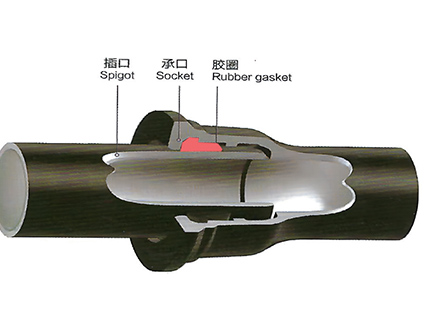 GT-type Joint Ductile Iron Pipe
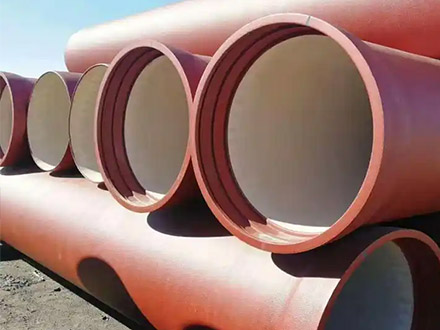
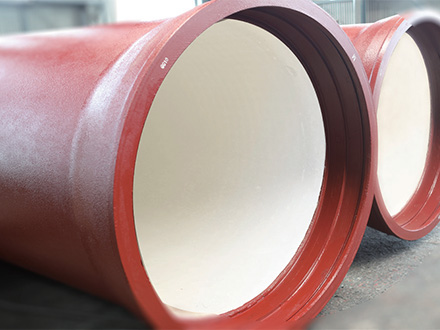 Sewage Pipe (Ductile Iron Sewage Pipe)
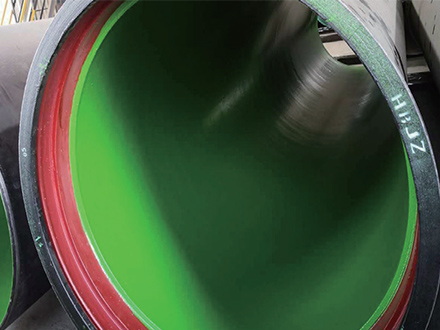 Special Coating Pipe (Ductile Iron Pipe with Special Coatings)