

Why Should You Choose Custom Ductile Iron Pipe Fittings for Your Pipeline Projects?
When it comes to building durable and reliable piping systems for water supply, sewage, irrigation, or industrial use, custom ductile iron pipe fittings are a preferred choice. Their superior strength, corrosion resistance, and flexibility make them indispensable in modern infrastructure projects. This guide covers everything from types, standards, and installation best practices to sourcing tips, helping engineers and contractors make informed decisions.
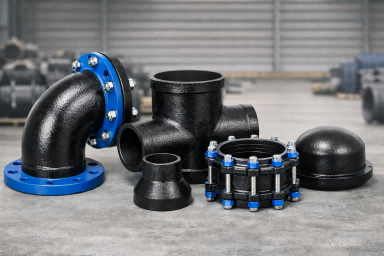
What Are Custom Ductile Iron Pipe Fittings?
Custom ductile iron pipe fittings are specially engineered components designed to connect, divert, or regulate fluid flow in ductile iron pipelines. Unlike standard fittings, these are tailored to meet project-specific requirements—whether unique dimensions, pressure ratings, or connection types.
Material Advantage: Ductile iron features a spheroidal graphite microstructure, combining the strength of steel with the corrosion resistance of cast iron, making it ideal for potable water, sewage, irrigation, and industrial pipelines.
Explore our custom ductile iron pipe fittings product page to see available options.
Why Are Custom Ductile Iron Pipe Fittings Preferred Over Standard Fittings?
Superior Mechanical Properties
High tensile strength (≥ 420 MPa)
Excellent ductility (> 10% elongation)
Impact resistance for underground and industrial settings
Corrosion Resistance
Fusion-bonded epoxy or thermally bonded polymeric coatings
External coatings like zinc + bitumen or epoxy
Internal linings: cement mortar or epoxy
Versatility and Compatibility
Sizes: DN 50–DN 2600 mm
Joint types: mechanical, flanged, push-on, bolted
Elastomeric seals: EPDM, NBR, Viton
Longevity and Reliability
Service life > 50 years
Certified to ISO 2531, EN 545, EN 598, NSF/ANSI 61
What Types of Custom Ductile Iron Pipe Fittings Are Available?
How Do Elbows and Bends Facilitate Pipeline Direction Changes?
45°, 90°, and long radius bends
Flanged, socket, or grooved styles
What Are Tees and Crosses Used For?
Branching pipelines: equal or reducing tees
Common in municipal water and sewage networks
How Do Reducers and Tapers Ensure Flow Efficiency?
Connect different pipe diameters while maintaining smooth flow
When Should You Use Couplings and Adapters?
Join same or different pipe materials, repair, or extend pipelines
What Are Dismantling Joints, Caps, and Plugs For?
Allow maintenance, temporary or permanent sealing of pipes
How Are Hydrant Risers and Wyes Applied in Fire Protection Systems?
Specialized fittings for firewater distribution and irrigation systems
Which Standards and Certifications Ensure the Quality of Custom Ductile Iron Pipe Fittings?
ISO 2531: Ductile iron pipes and fittings requirements
EN 545 & EN 598: European standards for water and sewage
AS/NZS 2280: Australian/New Zealand standard
NSF/ANSI 61: Potable water safety
BSI Registered Benchmark Product Certification
Internal Link Suggestion: Link to technical datasheets or standards pages.
What Are the Common Applications of Custom Ductile Iron Pipe Fittings?
Municipal Water Supply: Reliable connections for mains and pumping stations
Sewage and Wastewater: Pressure sewers and treatment plants
Irrigation Systems: Durable fittings for agricultural pipelines
Industrial Plants: High-pressure chemical-resistant applications
Firefighting Systems: Hydrant risers and tees for firewater distribution
How Should You Install Custom Ductile Iron Pipe Fittings Correctly?
How Do You Ensure Proper Alignment and Support?
Maintain pipe centerlines within ±2 mm over 10 m
Install supports every 3–4 m for DN ≥ 150
How Should Joint Assembly Be Conducted?
Use compatible gaskets (EPDM standard; NBR/Viton for chemicals)
Lubricate gaskets, torque bolts in star pattern for flanged joints
Rotate pipe ¼ turn for push-on joints
What Is the Role of Thrust Blocks in Installation?
Concrete blocks against soil resist hydraulic thrust forces
How Do You Conduct Testing After Installation?
Hydrostatic tests at 1.5× design pressure for 2 hours
Inspect all joints before backfilling
How Do You Maintain and Inspect Custom Ductile Iron Pipe Fittings for Longevity?
Visual inspections every 6 months
Torque re-check after 3 months
Coating integrity test every 5 years
Leak detection using acoustic monitoring
Keep detailed maintenance logs
What Advantages Do Custom Ductile Iron Pipe Fittings Offer Compared to Other Materials?
Feature | Ductile Iron | Gray Iron | Steel |
Ductility | High (≥12% elongation) | Low (2–3%) | Moderate (8–10%) |
Weight | 20% lighter than gray iron | Baseline | Up to 30% heavier |
Corrosion Resistance | Superior (epoxy coating) | Moderate | Requires galvanizing |
Installation Speed | Fast (bolt-on/flanged) | Slow (welding required) | Varies |
Lifecycle Cost | Lowest total cost | Higher maintenance | Moderate |
Frequently Asked Questions (FAQs)
Q1: What pressure ratings do these fittings support?
A1: PN10, PN16, PN25, PN35 (working pressures 10–35 bar)
Q2: How can you ensure leak-proof joints?
A2: Proper gasket, lubrication, torque, and hydrostatic testing
Q3: What corrosion protection options exist?
A3: Epoxy coatings, zinc + bitumen, polyethylene sleeving, polyurethane lining
Q4: Can fittings handle high temperatures or aggressive chemicals?
A4: Yes, up to 180°C with proper gaskets and linings
How Can You Buy and Source the Right Custom Ductile Iron Pipe Fittings?
Check trusted suppliers for certifications, quality, and pricing
Consider MOQ, customization options, and delivery times
Explore our custom ductile iron pipe fittings product page to find the perfect solution for your project
Conclusion: Why Custom Ductile Iron Pipe Fittings Are the Smart Choice
Custom ductile iron pipe fittings provide unmatched durability, flexibility, and reliability. Their mechanical strength, corrosion resistance, and compliance with international standards make them ideal for municipal, industrial, and agricultural pipelines.
Call to Action: Contact our team or download the product catalog to select the perfect custom ductile iron pipe fittings for your project.
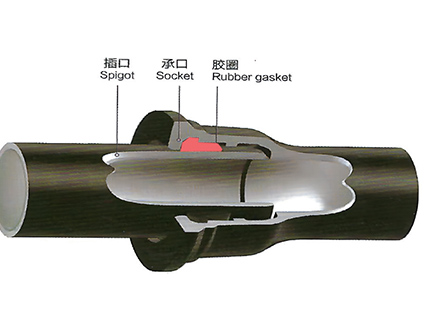 GT-type Joint Ductile Iron Pipe
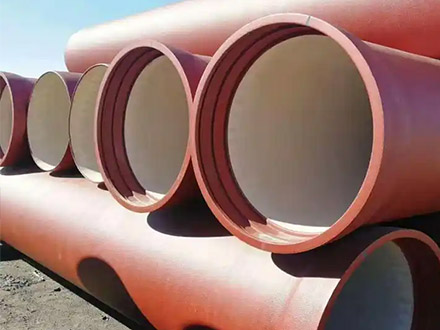
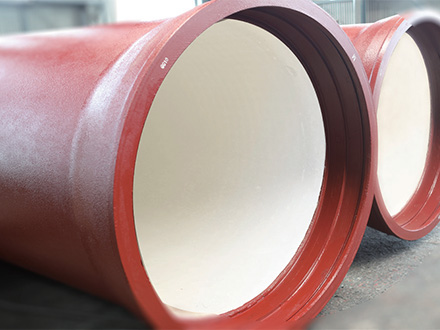 Sewage Pipe (Ductile Iron Sewage Pipe)
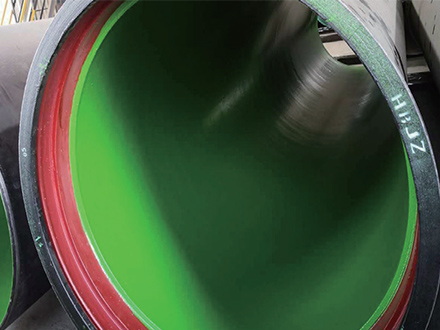 Special Coating Pipe (Ductile Iron Pipe with Special Coatings)