

Ductile Iron Pipe vs Steel Pipe: A Comprehensive Comparison for Infrastructure Projects
Meta Description:Explore the key differences between ductile iron pipe vs steel pipe in terms of strength, corrosion resistance, installation, and cost. Discover which pipe material best suits your project needs with expert insights and technical data.
Introduction
Choosing the right pipe material is crucial for the success and longevity of any infrastructure project. Among the most popular options are ductile iron pipes and steel pipes, each offering unique advantages and challenges. Whether you’re working on municipal water systems, industrial pipelines, or gas transmission, understanding the differences between ductile iron pipe vs steel pipe can help you make an informed decision that balances durability, cost, and performance.
In this article, we delve deep into the composition, mechanical properties, corrosion resistance, installation factors, and cost implications of ductile iron and steel pipes. Backed by technical resources from industry leaders, this comprehensive guide will equip engineers, contractors, and decision-makers with the knowledge they need to select the optimal piping solution.
Understanding Ductile Iron Pipe and Steel Pipe
What is Ductile Iron Pipe?
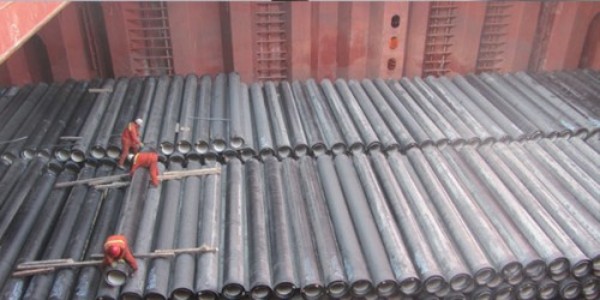
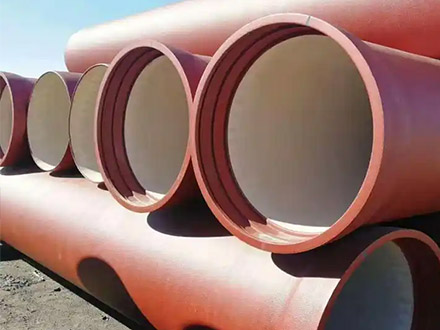
Ductile iron pipe (DIP) is manufactured by adding magnesium to molten iron, which transforms the graphite structure from brittle flakes into spherical nodules. This unique composition imparts superior flexibility and toughness compared to traditional cast iron. Ductile iron pipes typically feature cement mortar linings and protective coatings such as zinc and bitumen, enhancing their corrosion resistance and extending service life beyond 100 years.
What is Steel Pipe?
Steel pipes are generally made from carbon steel, stainless steel, or alloy steel. They are fabricated through processes like rolling, welding, or hot-rolling, depending on the pipe size and application. Steel pipes excel in high-pressure and high-temperature environments, making them a staple in oil, gas, chemical, and industrial applications. However, they require specialized coatings and cathodic protection to prevent corrosion.
Key Differences: Ductile Iron Pipe vs Steel Pipe
Feature | Ductile Iron Pipe | Steel Pipe |
Material Composition | Iron with magnesium, spherical graphite | Iron with carbon, sometimes chromium/nickel |
Tensile Strength | ~60,000 psi with 10% elongation | Higher tensile strength but less ductile |
Corrosion Resistance | Cement mortar lining + polyethylene wrap | Requires bonded coatings and cathodic protection |
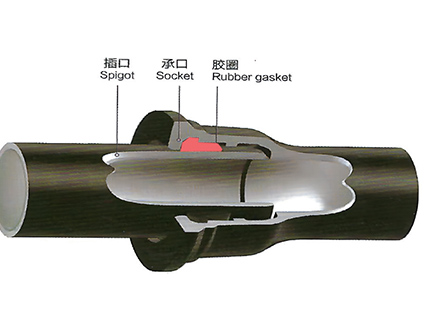
Installation Flexibility | Push-on joints allow deflection and rerouting | Requires welding and internal braces |
Pipe Wall Thickness | Thicker walls for safety and durability | Thinner walls, but less allowance for pressure surges |
Service Life | 100+ years with proper protection | 20-50 years depending on coating and environment |
Cost | Higher initial cost, lower lifecycle cost | Lower upfront cost, higher maintenance and repair costs |
Weight | Heavier, but more robust | Lighter, but requires more support |
Mechanical Strength and Performance
Both ductile iron and steel pipes offer excellent strength, but their mechanical properties differ. Steel pipes typically have higher tensile strength, making them suitable for high-pressure gas and oil systems. However, their lower ductility makes them more susceptible to cracking under stress or ground movement.
Ductile iron pipes, with their unique nodular graphite structure, provide enhanced flexibility and impact resistance. This makes them ideal for water systems subject to sudden pressure surges, seismic activity, or soil shifts. According to the American Water Works Association (AWWA) standards, ductile iron pipe has a conservative design safety factor of 2.0, compared to steel’s 1.33 to 2.0 depending on usage, offering greater reliability over the long term.
Corrosion Resistance and Protection
Corrosion is a critical factor affecting pipe longevity. Ductile iron pipes benefit from an oxide layer formed during manufacturing, plus internal cement mortar lining and external polyethylene encasement (such as V-Bio®), which provides excellent protection against soil and water corrosion. Polyethylene encasement is applied on-site, avoiding damage during shipping and handling.
Steel pipes require bonded coatings like cement mortar or tape-wrap, which are prone to damage during transport and installation. Any coating void significantly increases corrosion risk. Moreover, steel pipes often rely on cathodic protection systems, which add to maintenance complexity and cost. Ductile iron’s discontinuous joints help isolate corrosion cells, reducing the spread of electrolysis, unlike steel’s continuous joints.
Installation and Field Adaptability
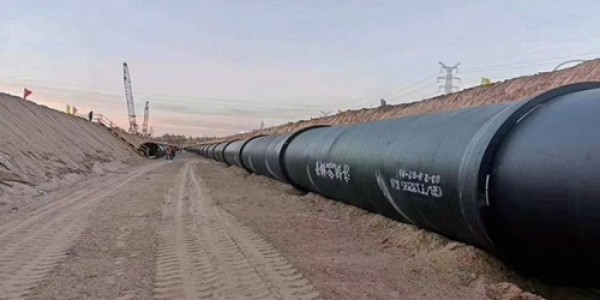
Installation efficiency can greatly influence project timelines and costs. Ductile iron pipes come with push-on joints that allow for flexibility in alignment and rerouting without the need for precise line drawings or welding. Their shorter joint lengths (typically 18-20 feet) make them easier to handle and install in challenging environments, including horizontal directional drilling (HDD) and bridge crossings.
Steel pipes, often supplied in longer lengths (40-50 feet), require welding on-site, which can be delayed by weather conditions and demands skilled labor. Additionally, steel pipes lack the stiffness to stand unsupported during installation, necessitating internal braces and more extensive side soil fill for stability.
Cost Considerations: Initial vs Long-Term
While steel pipes generally have a lower upfront cost, ductile iron pipes offer significant savings over their lifecycle due to reduced pumping costs, lower maintenance, and longer service life. For example, ductile iron pipes typically have larger inside diameters than steel pipes of the same nominal size, reducing friction losses and pumping energy consumption by up to 21%.
Moreover, ductile iron pipes’ resistance to corrosion and damage translates into fewer repairs and replacements, making them a cost-effective choice for large municipal water projects and industrial systems.
Applications: When to Choose Ductile Iron Pipe or Steel Pipe
Application Area | Recommended Pipe Type |
Municipal water supply | Ductile iron pipe |
Wastewater and drainage | Ductile iron pipe |
High-pressure gas transmission | Steel pipe |
Oil and chemical industries | Steel pipe |
Industrial high-temperature systems | Steel pipe |
Infrastructure with seismic or soil movement concerns | Ductile iron pipe |
Frequently Asked Questions
Q1: What is the main advantage of using ductile iron piping over steel?Ductile iron piping offers superior corrosion resistance, flexibility, and a longer service life, often exceeding 100 years with proper protection.
Q2: Can I use ductile iron piping in gas transmission systems?Typically, no. Steel pipes are preferred for gas transmission due to their higher tensile strength and pressure ratings.
Q3: Is it easier to install ductile iron piping than steel?Yes. Ductile iron’s push-on joints and shorter pipe lengths simplify installation and allow for greater field adaptability.
Q4: How does soil condition affect the choice between these two materials?In acidic or corrosive soils, ductile iron pipes with polyethylene encasement perform better. Steel pipes require expensive coatings or stainless steel to resist corrosion in such environments.
Q5: Are customizable solutions available for complex pipeline connections?Yes. Products like Conflex joints offer tailored pipeline connection solutions, including dismantling joints, to meet project-specific needs.
Conclusion
When weighing ductile iron pipe vs steel pipe, the choice hinges on your project’s specific requirements for strength, corrosion resistance, installation ease, and long-term cost. Ductile iron pipes stand out for municipal water systems, offering exceptional durability, corrosion protection, and energy savings. Steel pipes remain the go-to for high-pressure gas, oil, and industrial applications where tensile strength and temperature resistance are paramount.
For infrastructure projects where longevity and reliability are critical, ductile iron pipe is often the superior choice. Its proven track record, combined with flexible installation and lower lifecycle costs, makes it a smart investment.
Ready to make the best choice for your pipeline project? Explore technical resources, consult with manufacturers, and consider all factors to ensure your infrastructure stands the test of time.
Share this article with your engineering team or on social media to help others make informed decisions about pipe materials. For expert advice or project consultations, contact your local ductile iron or steel pipe supplier today
Take Action
Are you planning a water supply or sewage project
For more technical insights and product options, visit:
 GT-type Joint Ductile Iron Pipe
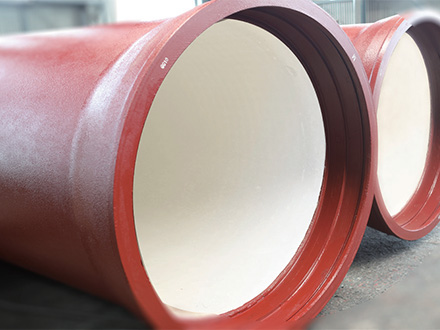 Sewage Pipe (Ductile Iron Sewage Pipe)
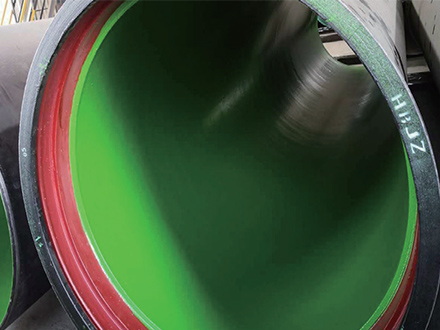 Special Coating Pipe (Ductile Iron Pipe with Special Coatings)