

Understanding Ductile Iron Pipe Thickness: A Comprehensive Guide
Understanding Ductile Iron Pipe Thickness: A Comprehensive Guide
Ductile iron pipes have become a cornerstone in modern infrastructure projects, especially for water supply, sewage, and drainage systems. Their superior strength, durability, and corrosion resistance make them a preferred choice over traditional materials. One of the critical factors influencing their performance and longevity is ductile iron pipe thickness. This article delves into the importance of pipe thickness, common specifications, standards, and how it impacts the pipe’s overall functionality.
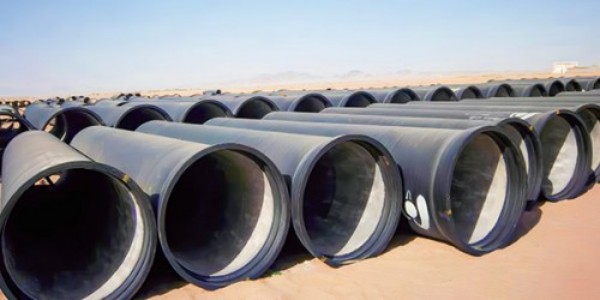
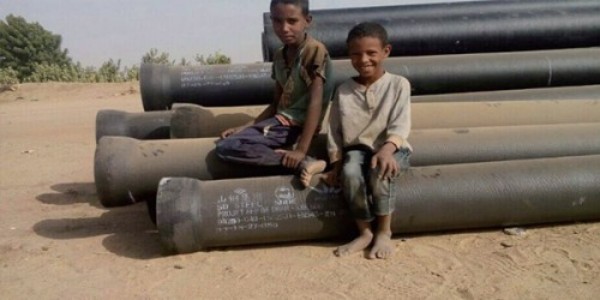
What is Ductile Iron Pipe Thickness?
Ductile iron pipe thickness refers to the wall thickness of the pipe, which directly affects its strength, pressure capacity, and durability. It is the measurement of the pipe’s metal wall, excluding any linings or coatings applied to the surface. The thickness is typically measured in millimeters or inches and varies according to the pipe diameter, pressure class, and intended application.
Why is Ductile Iron Pipe Thickness Important?
The thickness of ductile iron pipes plays a vital role in:
Structural Strength: Thicker walls can withstand higher internal and external pressures.
Corrosion Resistance: Adequate thickness allows for protective linings and coatings without compromising the pipe’s integrity.
Pressure Rating: Determines the maximum internal pressure the pipe can safely handle.
Longevity: Thicker pipes generally have a longer service life, especially in corrosive environments.
Installation Flexibility: Pipes with appropriate thickness can better resist external impacts and ground movements.
Common Specifications of Ductile Iron Pipe Thickness
Ductile iron pipe thickness varies depending on the diameter and pressure class. Below are common thickness ranges and specifications sourced from industry-leading manufacturers and standards:
Nominal Diameter (DN) | Outer Diameter (mm) | Wall Thickness (mm) |
DN 50 | 63 | 5.5 |
DN 100 | 118 | 6.5 |
DN 200 | 222 | 8 |
DN 400 | 429 | 10 |
DN 600 | 635 | 12 |
DN 900 | 945 | 15 |
Source: Eastern Steel Products, HB Pipefun
These thicknesses correspond to various pressure classes (like K7, K9) and standards such as ISO 2531 and EN 545. For example, a DN 600 pipe typically has a wall thickness of around 9.9 mm to 12 mm depending on the class and application.
Understanding Thickness Classes and Pressure Ratings
Ductile iron pipes are classified into thickness or pressure classes, which help engineers select the right pipe for specific needs.
Thickness Classes (K-classes): These define the minimum wall thickness for pipes of a given diameter. For example, K9 indicates a thicker pipe wall than K7.
Pressure Classes (PC): These represent the pipe’s ability to withstand internal pressure, typically measured
According to the McWane Ductile Iron Pipe
For pipes 24 inches (600 mm) and smaller, each increase in thickness class
Larger diameter pipes (30 to 48 inches
Pressure
How
The ultimate pressure capacity of
t=2×SP×D
Where:
t = wall thickness
P =
D = outside diameter
S = allowable stress of ductile iron (
For instance, a Class 52 ductile
This superior strength allows ductile iron pipes to maintain safety factors of 15 to 20 times the design pressure, making them a highly reliable
Corrosion Resistance and Protective Linings
While ductile iron itself offers good corrosion resistance due to
Cement Mortar Lining: Applied to the inner wall to resist sewage and water corrosion.
External Coatings: Zinc coatings combined with bitumen or epoxy paints protect against soil corrosion.
These linings add to the overall thickness but do not reduce
Installation Considerations Related to Pipe Thickness
Ductile iron pipes
Thicker pipes better resist deformation during handling and installation.
Pipes with adequate thickness can accommodate flexible or flange joints that simplify construction.
Thickness also influences pipe weight, affecting
Summary of Ductile Iron Pipe
High Strength: Enables handling of high
Durability: Longer service life in corros
Versatility: Suitable for
Safety: High safety factors reduce risk of
Cost-Effectiveness: Optimal thickness balances performance
Conclusion
Selecting the correct ductile iron pipe thickness is crucial to ensuring the longevity, safety, and effectiveness
For those interested in detailed thickness
Take Action
Are you planning a water supply or sewage project
For more technical insights and product options, visit:
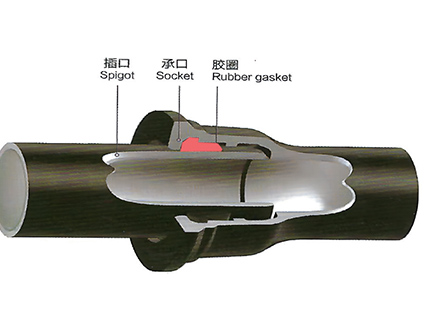 GT-type Joint Ductile Iron Pipe
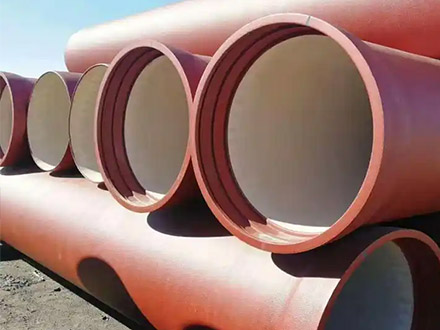
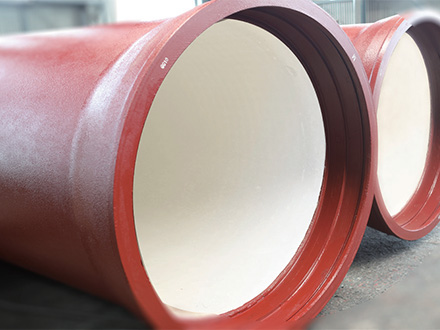 Sewage Pipe (Ductile Iron Sewage Pipe)
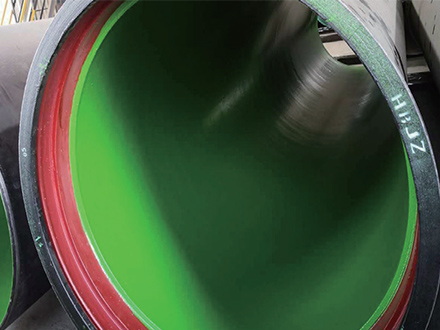 Special Coating Pipe (Ductile Iron Pipe with Special Coatings)