

Is Cement Lined Ductile Iron Pipe Safe for Drinking Water?
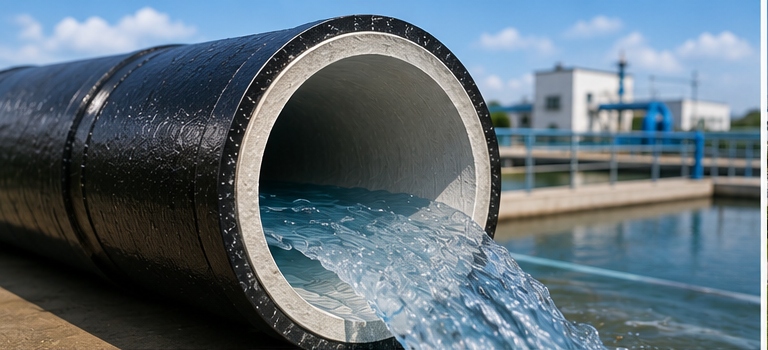
Yes — cement lined ductile iron pipe is safe for drinking water, and it's the standard, default lining specified for potable water systems worldwide. The cement mortar lining is made from inert, non-toxic materials (Portland cement and silica sand) that don't leach harmful substances into the water, and pipe intended for potable service is manufactured and certified to standards such as NSF/ANSI 61 (North America) or equivalent regional drinking-water contact regulations. There's one honest technical detail worth knowing, though, that most safety overviews skip entirely: newly manufactured cement-lined pipe needs a proper flushing and commissioning period before entering service, because fresh cement lining can temporarily release alkaline compounds into the water. That's a normal, well-documented characteristic of cement-based materials — not a defect — and it's exactly why commissioning procedures exist.
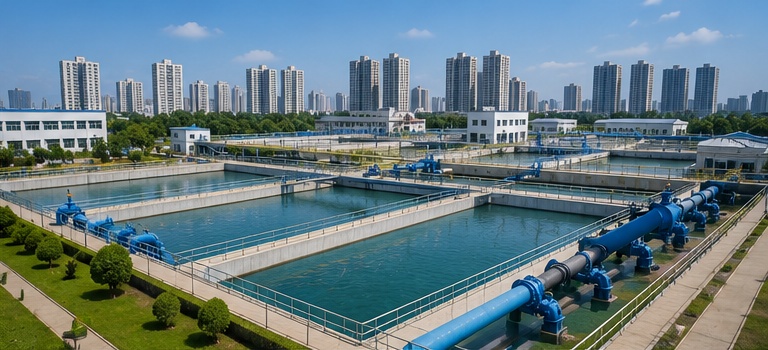
1. What Actually Makes It Safe
Inert lining materials. Cement mortar lining is a mixture of Portland cement and fine silica sand — materials with a long, well-documented history of safe contact with potable water, unlike some plastics that can absorb or later release organic compounds into water over time.
No added chemical contaminants. Ductile iron pipe itself doesn't introduce chemicals like vinyl chloride or dioxin into the water supply, which is a consideration sometimes raised in comparisons with certain plastic pipe materials.
Certification requirements. Pipe intended for potable water is manufactured and lined in compliance with recognized standards — NSF/ANSI 61 in North America, and equivalent drinking-water contact regulations elsewhere (such as the UK's Water Supply (Water Quality) Regulations). These certifications specifically test for taste, odor, and chemical migration into water, not just structural performance.
For this reason, cement mortar lining has remained the standard internal lining for municipal drinking water pipelines in many countries for decades.
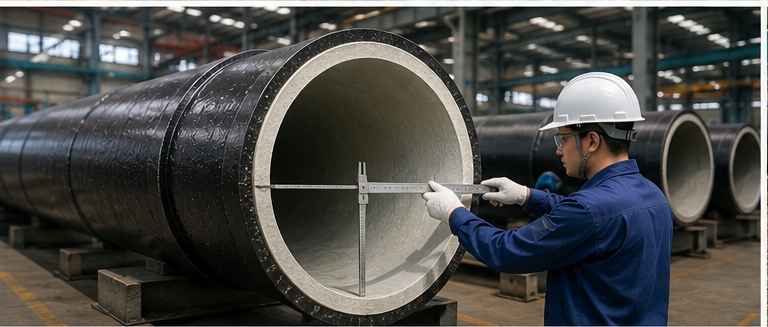
2. Why Water Chemistry Still Matters
Cement mortar lining isn't a universal solution for every water chemistry — it's engineered to perform within a defined range. Industry guidance (per DIPRA, the U.S. ductile iron pipe research association) generally scopes standard cement-mortar lining, without a seal-coat, to water in the pH 4–12 range. Outside that range, or in water aggressive enough to challenge the lining over the long term, project specifications typically call for verification against the water's actual chemistry — this is the same reasoning behind checking a water supply's Aggressive Index or Langelier Saturation Index before finalizing a lining specification, a step worth confirming with your supplier during the quotation stage rather than assuming automatically.
This connects directly to the procurement checklist covered in [Why Are Ductile Iron Pipes Cement Lined?] — confirming lining standard, thickness, and water compatibility before ordering.
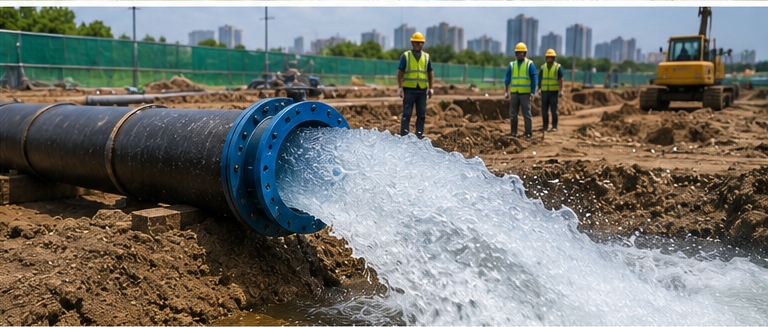
3. The Detail Most Guides Leave Out: New Pipe Needs Commissioning
This is worth stating plainly because it's genuinely useful and rarely discussed outside technical literature: freshly manufactured cement-lined pipe can release alkaline compounds into the water during its first period of contact. Published research on new cement mortar lining has documented that, under certain water hardness and alkalinity conditions, effluent water can briefly show elevated pH and measurable aluminum and silicon release within the first day of contact, before the lining stabilizes with continued use.
This isn't evidence that cement lining is unsafe — it's a well-understood characteristic of any Portland-cement-based material meeting water for the first time, and it's precisely why water utilities and contractors follow standard commissioning practices: flushing new pipe sections thoroughly before connecting them to active distribution, rather than putting brand-new pipe directly into service without a flush cycle. Projects with unusually soft, low-alkalinity source water may want to confirm commissioning procedures with their engineer, but for the overwhelming majority of installations following standard flushing practice, this is a non-issue by the time the pipe is in active service.
4. Regional Certification Differences
Which certification applies depends on where your project is: NSF/ANSI 61 governs potable water contact materials in North America, while European and other regional frameworks (such as the UK's Regulation 31) set equivalent requirements under different names and test methods. If your project specifies one certification standard and your supplier's default documentation references another, that's worth reconciling before the order is placed — not after inspection.
For a full comparison of how ISO 2531/EN 545 and ANSI/AWWA C104 differ on lining requirements, see [ISO 2531 vs AWWA C104: Cement Lining Requirements Explained].
5. Real-World Track Record
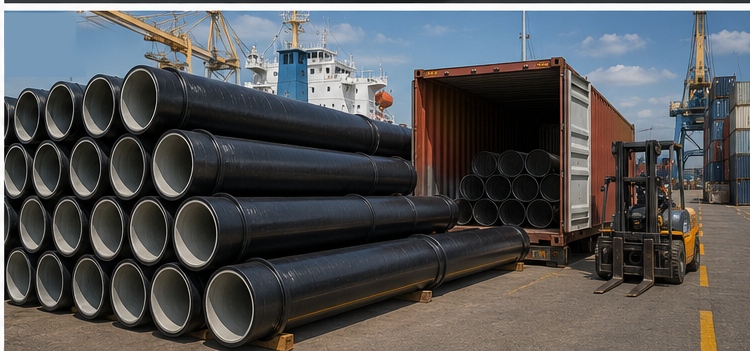
Cement lining for water pipe isn't a new or unproven technology — the first cement-lined iron pipe was installed in Charleston, South Carolina in 1922, and it remained in continuous, free-flowing service for a full century before being replaced during a routine infrastructure upgrade in 2022. A century of uninterrupted potable water service is about as strong a real-world safety and durability track record as any pipeline material can point to.
Today, cement lined ductile iron pipe continues to serve municipal drinking water systems across North America, Europe, Asia, and many developing infrastructure markets.
6. Frequently Asked Questions
Can new cement lined pipe be put directly into service without any preparation?
Standard practice is to flush new pipe sections before connecting them to active water distribution, which addresses the brief initial alkaline release characteristic of fresh cement lining. This is routine commissioning procedure, not a special requirement unique to any one supplier.
Does cement lining affect the taste of drinking water?
After proper commissioning and flushing, cement mortar lining does not normally affect the taste or odor of drinking water. Any temporary changes immediately after installation are addressed during standard commissioning procedures before the pipeline enters service.
Does cement lining change the taste of drinking water?
Properly cured, in-service cement lining shouldn't affect taste under normal conditions — in fact, cement lining was historically valued in part because it helped address discoloration and off-tastes caused by bare iron corrosion, compared to unlined pipe.
Is cement lined pipe certified for drinking water contact?
Pipe manufactured for potable water service should be certified to the applicable regional standard — NSF/ANSI 61 in North America, or equivalent drinking-water contact regulations elsewhere. Always confirm this certification is included in your supplier's documentation for the specific project region.
Is cement lining safe for all water chemistries?
Standard cement mortar lining (without seal-coat) is generally suited to water in the pH 4–12 range. Unusually aggressive or extreme water chemistry should be evaluated against your project's specific conditions before finalizing a lining specification.
Is epoxy lining safer than cement lining for drinking water?
Not inherently — both are used in potable water systems and are certified for that purpose where properly specified. The choice between them is typically driven by water chemistry and application (see [Cement Lined vs Epoxy Lined Ductile Iron Pipe]), not by one being categorically safer than the other for standard potable water service.
Confirming the right lining specification and certification for your project's water conditions is a detail worth getting right before production begins. Tiegu helps international buyers verify lining standards and certifications against project requirements, and coordinates across qualified factories to match supply to the correct specification.
📐 Engineers & project buyers: Tell us your water source characteristics and required certification (NSF/ANSI 61 or regional equivalent), and we'll confirm the appropriate lining specification. Submit your project requirements →
📦 Distributors & trading companies: Need certified cement-lined pipe documentation for a specific market? We coordinate with qualified factories to confirm certification and compliance documentation for your destination. Get a quotation →
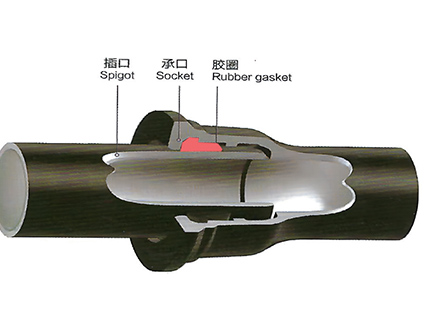 GT-type Joint Ductile Iron Pipe
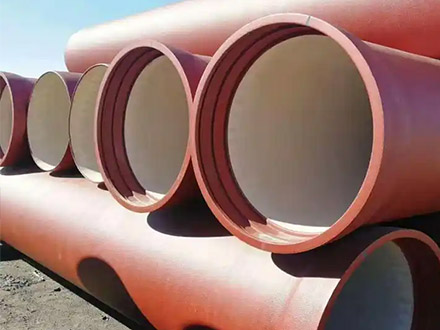
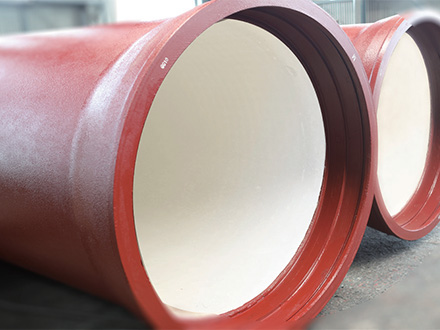 Sewage Pipe (Ductile Iron Sewage Pipe)
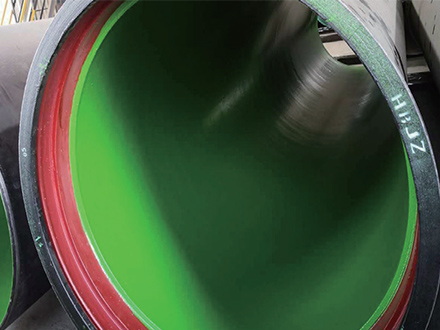 Special Coating Pipe (Ductile Iron Pipe with Special Coatings)