

ISO 2531 vs AWWA C104: What's the Difference in Cement Lining Requirements?
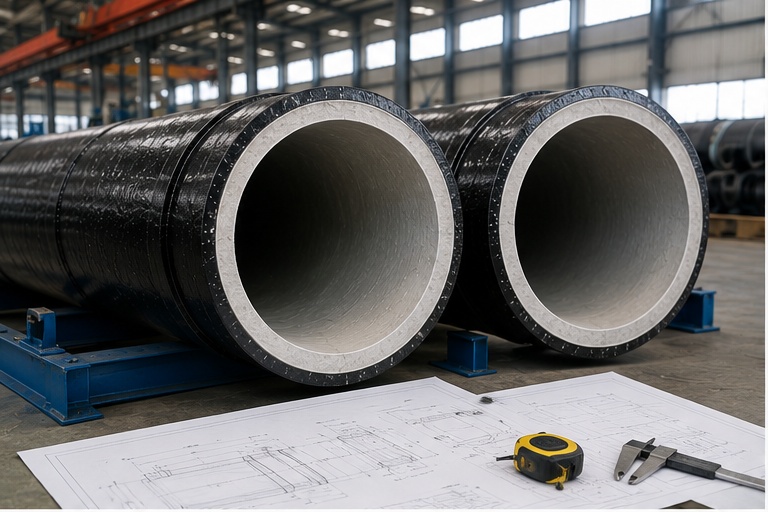
ISO 2531/EN 545 and ANSI/AWWA C104 both require cement mortar lining that gets thicker as pipe diameter increases, using the same basic materials and centrifugal casting process. But they're not identical specifications, and the differences matter at the procurement stage: they set different minimum thickness values, they handle drinking-water safety certification in fundamentally different ways, and regional practice around seal-coating the lining differs too. If your project documents cite one standard and your supplier's default production line is built around the other, that mismatch needs to be caught before the order is placed — not discovered during inspection or commissioning.
Choosing the wrong standard may lead to non-compliant lining thickness, missing certifications, or failed project inspections.
1. Which Standard Applies Where
| Standard | Region typically specified | Governs |
|---|---|---|
| ISO 2531 / EN 545 | Europe, Middle East, Africa, most of Asia, South America | Cement mortar lining for DN-sized ductile iron pipe under the metric system |
| ANSI/AWWA C104/A21.4 | United States, and projects specifying US standards | Cement mortar lining for AWWA C151-manufactured pipe |
Most projects across Southeast Asia, South Asia, the Middle East, and Africa specify ISO 2531/EN 545 by default. AWWA C104 governs projects built to US specifications, or wherever a client's engineering standard explicitly calls for it.
2. Thickness Requirements: What the Numbers Actually Say
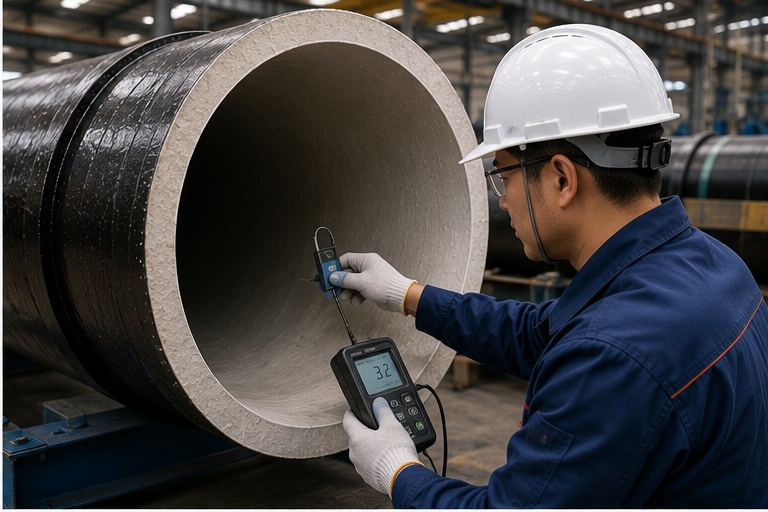
AWWA C104 sets clear, published minimum lining thickness values by pipe size bracket:
| Pipe size | Minimum lining thickness (AWWA C104) |
|---|---|
| 3"–12" | 1/16" (≈1.6 mm) |
| 14"–24" | 3/32" (≈2.4 mm) |
| 30" and above | 1/8" (≈3.2 mm) |
ISO 2531/EN 545 follows the same underlying principle — minimum lining thickness increases with nominal diameter — but its specific thickness table uses different size brackets and metric values than AWWA's. ISO 2531 also specifies minimum lining thickness by DN range, but the values differ from AWWA C104 depending on pipe diameter and standard edition. Always verify the required edition in your project documents.
3. The Certification Difference Most Buyers Miss
This is the point worth understanding clearly, because it's rarely explained and directly affects what "compliant" actually means for drinking water use.
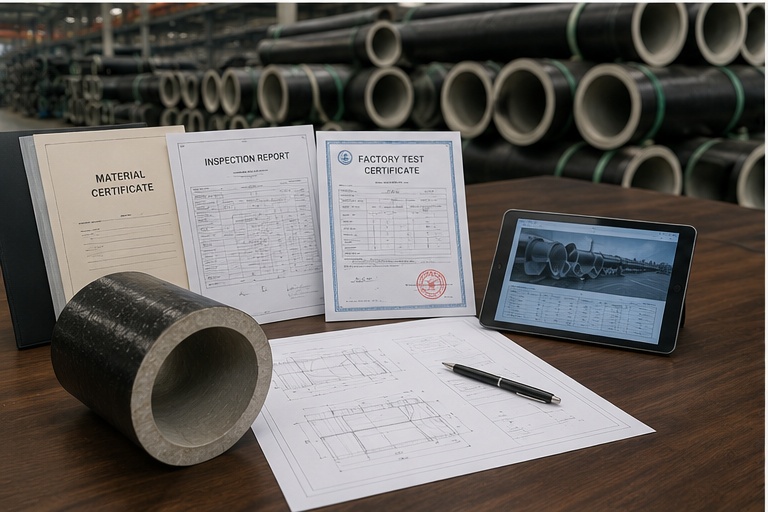
AWWA C104 has, since its 2008 revision, explicitly built drinking-water safety into the standard itself: water-contact surfaces must be qualified against NSF/ANSI 61 (or FDA 21 CFR 175.300) for limiting toxic substances, and the standard's scope was expanded to formally cover wastewater and reclaimed water applications alongside potable water.
ISO 2531/EN 545, by contrast, does not itself certify or guarantee that lined pipe is safe for drinking water contact. The standard governs the physical and material specification of the lining, but drinking-water suitability is left to each country's own national regulations — meaning a pipe fully compliant with EN 545 still needs to be checked against the relevant national drinking-water contact regulation for your specific project location (for example, UK Water Supply (Water Quality) Regulations, or the equivalent framework in your destination country).
What this means practically: "This pipe meets EN 545" and "this pipe is certified safe for drinking water" are not automatically the same statement. Always ask your supplier which specific drinking-water certification applies to your destination market, rather than assuming that ISO/EN standard compliance alone covers it.
See [Is Cement Lined Ductile Iron Pipe Safe for Drinking Water?] for the full picture on lining safety and certification.
4. Seal-Coat Practice Differs by Region
In the United States and UK, cement mortar lining is sometimes supplied with an additional thin asphaltic seal-coat, used specifically where water is aggressive enough (very soft or low-alkalinity) that bare cement lining could impart noticeable hardness or alkalinity to the water. Elsewhere in the world — including most of the markets ISO 2531/EN 545 serves — cement-lined pipe is typically furnished without a seal-coat as standard practice.
This is worth confirming explicitly in your specification: if your supplier defaults to one regional practice and your project assumes the other, you may end up with (or without) a layer you didn't expect.
The seal-coat is intended to reduce the initial interaction between fresh cement mortar and aggressive water, helping stabilize water quality during early service.
5. Application Scope and Standard Organization
AWWA C104, since its 2008 revision, covers potable water, raw water, wastewater, and reclaimed water applications within a single standard. ISO 2531/EN 545 takes a different structural approach: EN 545 governs water supply pipe, while a separate standard, EN 598, governs ductile iron pipe and fittings for sewerage applications. Neither approach is "better" — but if you're used to working under one system, don't assume the other organizes its scope the same way.
For where cement lining is and isn't appropriate for wastewater-adjacent use regardless of which standard applies, see [Can Cement Lined Ductile Iron Pipe Be Used for Wastewater?]
6. Procurement Checklist: Confirming Standard Compliance Before You Order
Before finalizing an order, confirm the following against your project specification:
Which standard your project documents actually cite — ISO 2531/EN 545, AWWA C104, or another regional equivalent
Which standard your supplier's production line defaults to, and whether they can produce to your specified standard specifically, not just "an internationally recognized one"
Minimum lining thickness for your pipe size, quoted against the current edition of the correct standard
The specific drinking-water certification your destination market requires, rather than assuming standard compliance alone covers it
Whether a seal-coat is expected or excluded under your project's water chemistry conditions
Confirming these five points at the quotation stage — rather than discovering a mismatch at inspection — is the difference between a smooth acceptance and a costly dispute.
7. Frequently Asked Questions
Is AWWA C104 stricter than ISO 2531/EN 545?Neither is categorically "stricter" — they're built around different regional practices and testing frameworks. AWWA C104 explicitly bakes in NSF/ANSI 61 drinking-water certification and covers a broader combined scope (potable, raw, waste, and reclaimed water) in one standard. ISO 2531/EN 545 leaves drinking-water certification to national regulation and splits water and sewer applications into separate standards (EN 545 and EN 598). Which is more demanding depends on what you're comparing.
If my pipe meets ISO 2531, does that mean it also meets AWWA C104?Not automatically. The two standards have different thickness requirements, different certification frameworks, and in general different dimensional systems (see our size and dimension guide for how OD differs between systems). A supplier would need to specifically manufacture and certify to whichever standard your project actually requires.
Can a supplier just say their pipe meets "international standards" without specifying which one?This should be treated as a red flag for anything beyond a casual inquiry. "International standards" isn't a specification — ask which standard by name and edition, and request the corresponding thickness and certification documentation for your specific pipe size.
Does ISO 2531/EN 545 pipe need separate drinking-water certification?Generally yes, if the project requires documented drinking-water safety compliance — EN 545 itself doesn't certify this, so you'd confirm against your destination country's national drinking-water contact regulation separately.
Which standard should I specify for an export project with buyers in multiple regions?This depends on where the pipe will actually be installed and which regulatory framework governs that market, not where it's manufactured. Confirm the governing standard with your project's engineering documentation, and communicate it clearly to your supplier at the inquiry stage.
Getting the standard specification right — including thickness, certification, and application scope — before production begins avoids costly mismatches at inspection or commissioning.
For international projects involving multiple regional standards, confirming compliance before production is often more important than comparing prices alone. Tiegu supports buyers by verifying applicable standards, certifications, and factory capabilities before quotations are finalized.
📐 Engineers & project buyers: Tell us which standard your project specifies (ISO 2531/EN 545, AWWA C104, or another), and we'll confirm thickness, certification, and compliance documentation before quoting. Submit your project requirements →
📦 Distributors & trading companies: Serving markets with different standard requirements? We coordinate across multiple qualified factories to match production to the correct standard for each destination. Get a quotation →
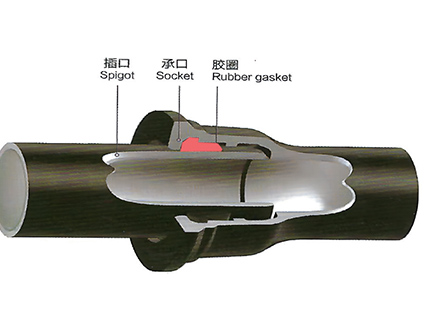 GT-type Joint Ductile Iron Pipe
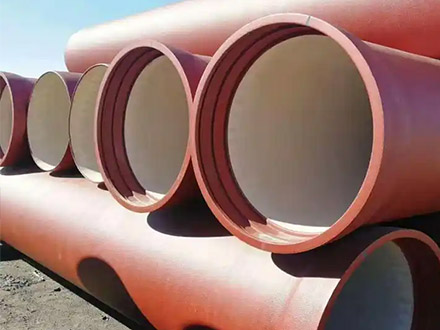
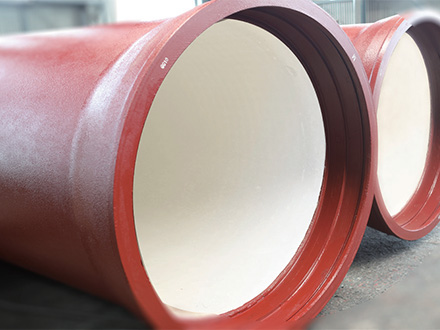 Sewage Pipe (Ductile Iron Sewage Pipe)
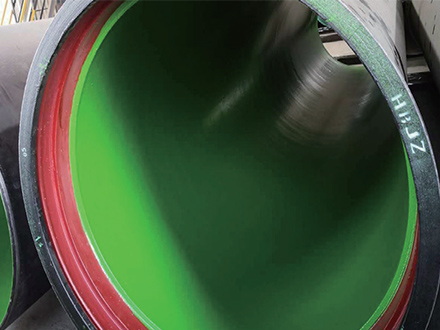 Special Coating Pipe (Ductile Iron Pipe with Special Coatings)