

How to Buy Ductile Iron Pipe Fittings: A Practical Guide for Projects
For engineers, contractors, and procurement managers, selecting the right ductile iron pipe fittings is critical for building reliable water, sewage, irrigation, and industrial piping systems. Ductile iron fittings offer superior strength, corrosion resistance, and compliance with international standards, making them ideal for long-term infrastructure projects. This guide helps you understand the types of fittings, technical standards, and how to source them from trusted suppliers while ensuring project efficiency.
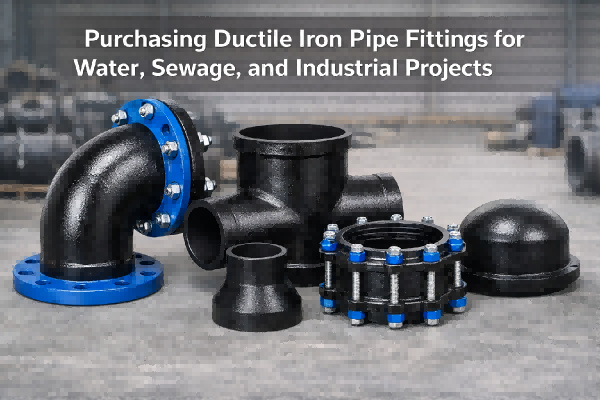
Why Choose Ductile Iron Pipe Fittings?
Ductile iron fittings are designed to provide secure, leak-proof connections for ductile iron pipelines. Unlike traditional cast iron, ductile iron offers enhanced flexibility and tensile strength, reducing the risk of cracking under pressure. Key advantages include:
High strength and durability: Can withstand high internal pressures and external loads.
Corrosion resistance: Coatings such as epoxy, bitumen, or zinc-aluminum alloy enhance longevity.
Versatility: Available in various shapes, sizes, and joint types (flanged, grooved, push-on, mechanical).
Compliance with standards: ISO 2531, EN 545, EN 598, and other international standards ensure quality.
Ease of installation: Quick assembly options minimize labor and maintenance time.
Types of Ductile Iron Pipe Fittings
Understanding the different types of fittings is essential when deciding to buy ductile iron pipe fittings. Common types include:
Elbows: Change pipeline direction (45° or 90°), available in flanged, socket, or grooved styles.
Tees: Allow branching pipelines; can be equal or reducing.
Reducers: Connect pipes of different diameters while maintaining flow efficiency.
Couplings: Join two pipes, flexible or rigid, often used for repairs or extensions.
Dismantling Joints: Facilitate easy maintenance and replacement in high-pressure pipelines.
Flanges: Provide rigid connections with bolts and gaskets for leak-proof seals.
Internal Link: For detailed specifications and available products, explore our ductile iron pipe fittings product page.
Standards and Technical Considerations
When buying ductile iron pipe fittings, always verify compliance with recognized standards:
ISO 2531: Ductile iron pipes, fittings, and accessories
EN 545: Water supply pipelines
EN 598: Sewage applications
Coatings and linings such as fusion-bonded epoxy (FBE), bitumen, or cement mortar improve corrosion resistance and durability. Internal linings protect against abrasive fluids.
How to Buy Ductile Iron Pipe Fittings: Step-by-Step
Step 1: Define Project Requirements
Pipe diameter and pressure class (PN10, PN16, PN25)
Type of fluid (potable water, sewage, industrial chemicals)
Environmental conditions (soil corrosivity, temperature range)
Step 2: Select the Right Fitting Type
Choose elbows, tees, reducers, flanges, or specialized fittings
Determine joint type: flanged, push-on, mechanical, or grooved
Step 3: Verify Compliance and Quality
Check standards (ISO, EN)
Request quality certifications and inspection reports
Confirm warranty and service terms
Step 4: Source from Reliable Suppliers
Look for manufacturers or distributors with proven project experience
Review product catalogs, minimum order quantities, and customization options
Step 5: Confirm Logistics and After-Sales Support
Packaging and shipping methods to avoid damage
Technical support during installation
Availability of spare parts and maintenance services
Internal Link: Learn more about our ductile iron pipe fittings solutions suitable for water, sewage, and industrial pipelines.
Pricing Considerations
Pricing depends on multiple factors:
Pipe diameter and pressure class
Joint and coating type
Order quantity and project scale
Customization requirements
Engineering projects are typically quoted per ton or per project, rather than per piece. Always request official quotations from qualified suppliers.
Installation and Maintenance Tips
Installation Best Practices:
Use manufacturer-recommended gaskets such as EPDM for water applications
Tighten bolts to specified torque to prevent leaks
Align pipes and fittings carefully
Use appropriate joint types for system requirements
Maintenance Recommendations:
Regular inspections for corrosion or wear
Clean internal linings for abrasive fluids
Replace worn gaskets and bolts promptly
Schedule professional maintenance every 1–2 years
Frequently Asked Questions (FAQs)
Q1: Can ductile iron pipe fittings be customized?
A1: Yes, many suppliers provide custom sizes, coatings, and markings to meet project specifications.
Q2: Are ductile iron fittings suitable for fire protection systems?
A2: Absolutely. UL/FM-approved fittings are available for high-pressure fire sprinkler networks.
Q3: How do I ensure a leak-proof connection?
A3: Use compatible fittings, proper gaskets, follow manufacturer guidelines, and conduct routine inspections.
Conclusion
Choosing the right ductile iron pipe fittings ensures a safe, reliable, and long-lasting piping system. By understanding types, standards, and sourcing practices, engineers and contractors can make informed procurement decisions for municipal, industrial, and irrigation projects.
CTA / Internal Link: Ready to buy ductile iron pipe fittings? Explore our full range of ductile iron fittings manufactured to international standards for reliable and durable pipelines.
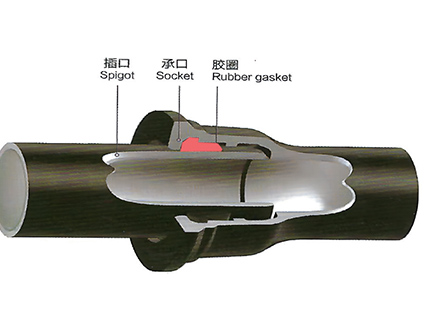 GT-type Joint Ductile Iron Pipe
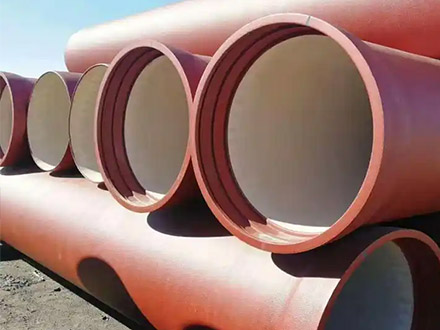
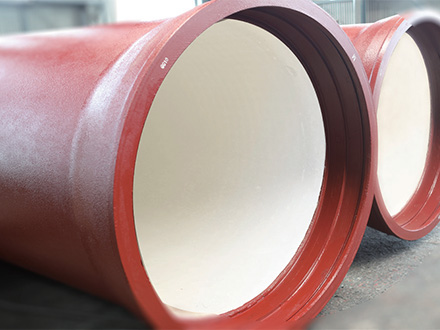 Sewage Pipe (Ductile Iron Sewage Pipe)
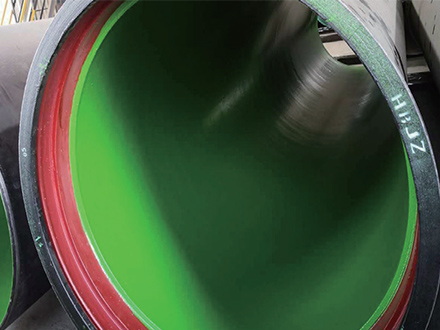 Special Coating Pipe (Ductile Iron Pipe with Special Coatings)