

Changchun Sets Record Water Infrastructure Investment During 14th Five-Year Plan
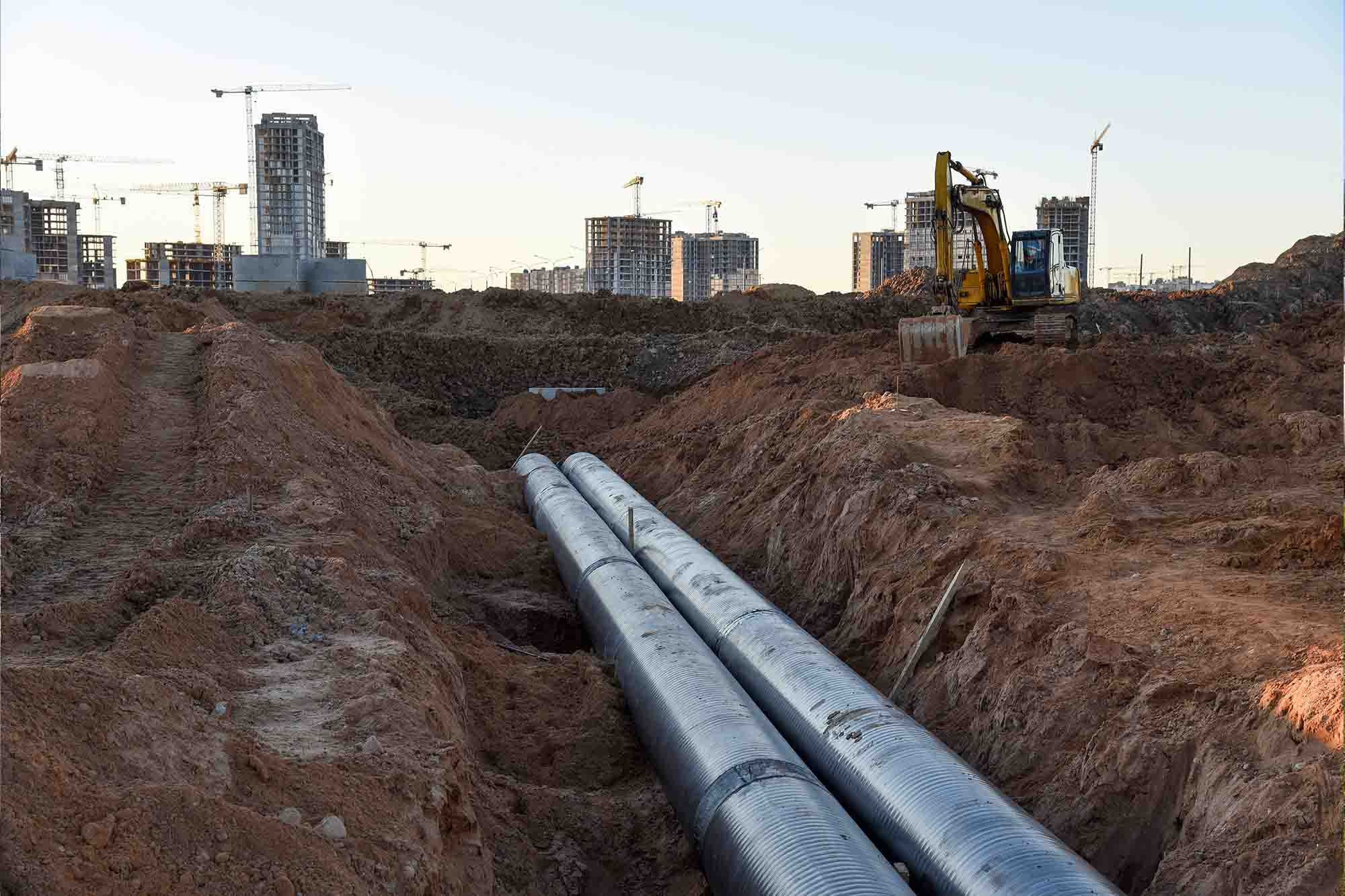
CHANGCHUN, JILIN, CHINA — On December 24, 2025, the Changchun municipal government announced a historic increase in water infrastructure investment, with cumulative spending exceeding CNY 14.1 billion (approximately USD 1.95 billion) during China’s 14th Five-Year Plan period. The announcement was made at a press conference highlighting the city’s extensive efforts to strengthen urban and rural water supply, flood control, and broader water management infrastructure. (CNJI)
This investment represents a significant step in addressing the growing water management needs of Changchun, reflecting both national priorities in water resource development and the city’s long-term commitment to sustainable urban and rural development.
Project Overview: Scale, Investment, and Coverage
The 14th Five-Year Plan water projects in Changchun encompass a wide range of initiatives aimed at improving water infrastructure and service reliability across the city and surrounding regions. Key investment highlights include:
Total Investment: CNY 14.1 billion (~USD 1.95 billion), marking a 25% increase over the previous Five-Year Plan period, a historical high for the municipality.
Major Waterway and River Projects:
Comprehensive treatment and management of major river tributaries including the Yinma, Yitong, Lalin, and Kacha Rivers.
Rehabilitation of 18 small and medium-sized rivers to enhance flow regulation, water quality, and flood mitigation.
Urban Flood Control and Safety Projects:
Implementation of critical flood control measures along the Yitong River (south and north segments) and the Xinkai River.
Reservoir Upgrades:
Reinforcement and safety enhancement of 22 small and medium-sized reservoirs to ensure structural integrity and flood control capacity.
Rural Water Supply and Irrigation:
Small-scale water diversion and regulation projects, rehabilitation of irrigation districts such as Songmu and Yinma River areas, and drainage improvements.
Service Coverage:
Municipal and rural drinking water systems now provide 24-hour water supply, with self-supplied water coverage reaching 98.5% of the population.
Ecological and Environmental Measures:
River and lake ecological restoration with 1,901 kilometers of green water corridors.
Soil and water conservation projects covering 403.77 square kilometers.
Enhanced water use efficiency, with water consumption per unit of GDP decreasing by 16%.
This comprehensive portfolio reflects an integrated approach, combining urban and rural water supply improvements, flood control, irrigation efficiency, and environmental restoration to achieve sustainable water management across Changchun.

Municipal and Engineering Context
Aging water infrastructure, increasing urbanization, and climate-related challenges have placed considerable pressure on mid-sized cities in China, including Changchun. The city faces the dual challenge of:
Ensuring reliable water supply for urban and rural populations amid population growth and industrial demand.
Managing flood and drought risks due to extreme weather patterns and variable river flows.
By investing heavily in water infrastructure, Changchun aims to maintain continuity of service, enhance water quality, and improve resilience against natural disasters. The extensive river rehabilitation and reservoir reinforcement projects also support ecological sustainability, aligning with broader environmental protection goals promoted by both provincial and national authorities.
Water infrastructure in urban and peri-urban regions serves not only as a utility service but also as a critical component of public safety, agricultural productivity, and economic stability. Enhancing flood control capacity along key rivers reduces vulnerability to property damage and protects local livelihoods. At the same time, improvements in rural irrigation infrastructure contribute to agricultural efficiency, aligning with long-term food security objectives.
Engineering Considerations
While the official announcement did not specify the pipe materials or construction techniques employed, large-scale water infrastructure projects typically consider:
Durability and reliability of pipelines and flood-control structures
Corrosion and sedimentation resistance in river and irrigation networks
Ease of maintenance and operational safety
Integration with existing water networks and ecological systems
These engineering considerations ensure that investments yield long-term benefits, minimizing maintenance costs and maximizing service continuity for both urban and rural users.
Broader Trends and Policy Implications
Changchun’s record investment aligns with broader national priorities outlined in China’s 14th Five-Year Plan for water infrastructure, which emphasizes:
Modernization of municipal water systems
Flood and drought risk mitigation
Water quality enhancement and ecological restoration
Rural water supply and irrigation modernization
The emphasis on integrated water resource management, ecological protection, and service efficiency reflects an ongoing policy trend toward sustainable urban water governance. Similar projects in other Chinese cities indicate that municipalities are increasingly using capital investment to achieve multi-dimensional water management objectives, balancing infrastructure reliability, environmental stewardship, and socio-economic development.
Furthermore, large-scale municipal investments help cities meet international standards for water safety and supply resilience, positioning urban centers like Changchun as regional models for sustainable water infrastructure development.
Conclusion
Changchun’s historic water infrastructure investment demonstrates a comprehensive approach to municipal and regional water management. By upgrading urban and rural water systems, reinforcing reservoirs, rehabilitating rivers, and integrating ecological measures, the city enhances service reliability, flood safety, and environmental sustainability.
This record-level investment serves as an example for other mid-sized cities confronting similar challenges, illustrating how strategic planning and significant capital allocation can address aging infrastructure, urban growth, and climate-related risks in a sustainable and coordinated manner.
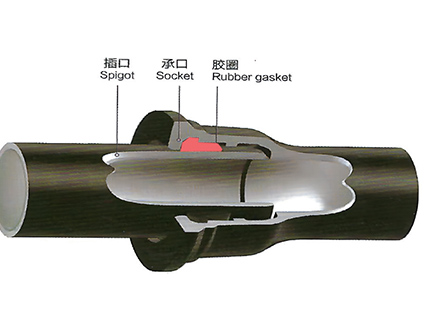 GT-type Joint Ductile Iron Pipe
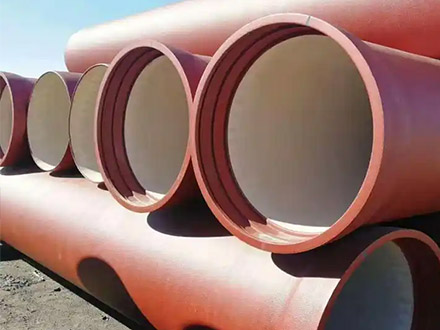
 Sewage Pipe (Ductile Iron Sewage Pipe)
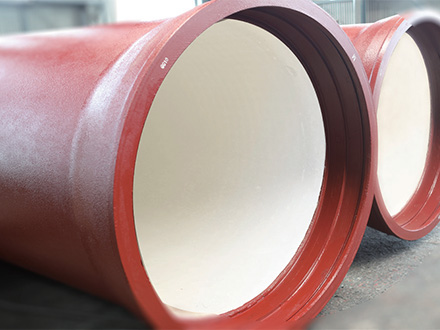
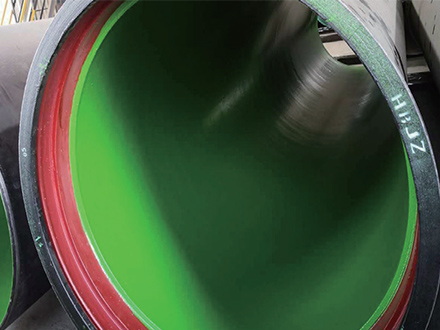 Special Coating Pipe (Ductile Iron Pipe with Special Coatings)