

What Are Ductile Iron Pipe Dimensions? Standards, Sizes, and Applications Explained
Ductile iron pipes are a backbone material in modern infrastructure and are widely used in water supply, sewage, irrigation, gas distribution, and industrial pipeline systems. Their high mechanical strength, durability, and long service life make them a preferred solution for municipal engineers and project contractors worldwide.
Among all technical parameters, ductile iron pipe dimensions play a critical role in determining hydraulic performance, pressure capacity, installation compatibility, and long-term reliability. Understanding how dimensions are defined, standardized, and applied is essential when selecting pipes for any engineering project.
This comprehensive guide explains ductile iron pipe dimensions in detail, introduces international standards such as ISO 2531 and EN 545, clarifies wall thickness classes like K9, and provides practical guidance for real-world applications.
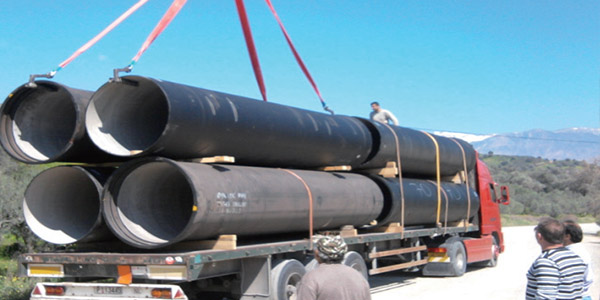
What Are Ductile Iron Pipes?
Ductile iron pipes are cast iron pipes manufactured from ductile cast iron, a material that combines the strength of steel with the corrosion resistance of traditional cast iron. They are produced using high-speed centrifugal casting, ensuring uniform wall thickness and consistent mechanical performance.
Key Features of Ductile Iron Pipes
High mechanical strength: Typical tensile strength ranges from 400 to 650 MPa depending on material grade
Excellent ductility: Elongation generally ranges from 7% to 15%
Corrosion resistance: Achieved through internal linings and external protective coatings
Long service life: Often exceeds 50 years under normal operating conditions
Standardized dimensions: Ensuring compatibility across manufacturers and markets
How Are Ductile Iron Pipe Dimensions Defined?
Ductile iron pipe dimensions are standardized to ensure interchangeability, safety, and predictable performance. The main dimensional parameters include:
Nominal Diameter (DN):
A standardized size designation expressed in millimeters (e.g., DN 80, DN 300, DN 1200). DN is related to hydraulic capacity rather than exact internal diameter.External Diameter (DE):
The outside diameter of the pipe, which is tightly controlled by standards to ensure joint compatibility.Wall Thickness (e):
The pipe wall thickness, which varies according to wall thickness class (K7, K9, K12) and nominal diameter.Pipe Length:
Standard lengths are typically 5.7 m or 6.0 m, with optional extended lengths such as 8.0 m or 8.15 m, depending on manufacturer capability.Weight:
Expressed in kilograms per meter (kg/m), increasing with diameter and wall thickness.
Which Standards Govern Ductile Iron Pipe Dimensions?
ISO 2531 and EN 545 Standards
Most ductile iron pipes for water applications are manufactured in accordance with ISO 2531 and EN 545, while EN 598 applies mainly to sewer systems.
These standards define:
Dimensional tolerances
Mechanical properties
Wall thickness classes
Hydrostatic test requirements
Internal linings and external coatings
Typical nominal diameter range: DN 80 to DN 2600
What Do K7, K9, and K12 Mean in Ductile Iron Pipes?
K7, K9, and K12 are wall thickness classes, not direct pressure ratings.
K7: Lighter wall thickness, used for lower pressure or favorable installation conditions
K9: Most widely used class for municipal water supply systems
K12: Heavier wall thickness for higher internal pressure, deep burial, or high external loads
The allowable working pressure of a ductile iron pipe depends on DN, wall thickness class, safety factors, installation method, soil conditions, and external loads—not solely on the K value.
Typical Ductile Iron Pipe Dimensions (K9 Class)
The table below shows typical values for K9 ductile iron pipes manufactured according to EN 545 / ISO 2531.
DN (mm) | External Diameter DE (mm) | Wall Thickness e (mm) | Weight (kg/m) |
80 | 98 | 6.0 | 12.2 |
200 | 222 | 6.3 | 30.6 |
600 | 635 | 9.9 | 137.3 |
1200 | 1255 | 15.3 | 420.1 |
2600 | 2702 | 27.9 | 1652.4 |
Note: Dimensions and weights may vary slightly depending on manufacturer tolerances and standard allowances. Final project data should always be confirmed using approved technical datasheets.
What Are the Mechanical Properties of Ductile Iron Pipes?
The mechanical performance of ductile iron pipes depends on the iron grade specified by the standard.
Grade | Tensile Strength (MPa) | Yield Strength (MPa) | Elongation (%) | Typical Applications |
GJS-500-7 | 500–650 | ≥ 350 | ≥ 7 | Potable water, sewage |
GJS-450-10 | 450–600 | ≥ 300 | ≥ 10 | Gas distribution, irrigation |
GJS-400-15 | 400–550 | ≥ 250 | ≥ 15 | Drainage, industrial effluent |
What Joint Types and Coatings Are Used?
Common Joint Types
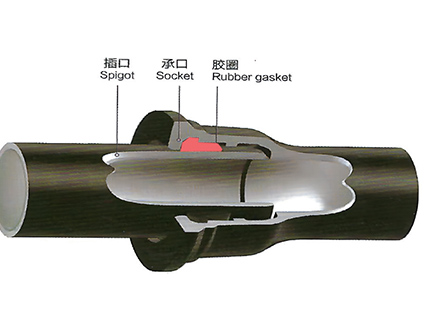
Socket and Spigot (Push-in / Tyton joints):
Most widely used, allowing angular deflection and fast installationFlanged Joints:
Used for valve connections, pumping stations, or removable sectionsRestrained Joints:
Designed to resist axial forces in high-pressure or unstable soil conditions
Internal Linings and External Coatings
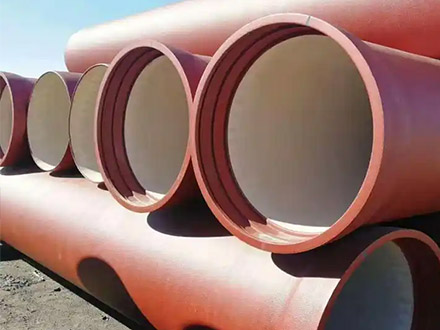
Internal Linings:
Cement mortar lining (standard)
Epoxy or ceramic epoxy for aggressive media
External Coatings:
Zinc coating (typically ≥130 g/m²)
Bitumen or epoxy finishing layer
Special Protection:
Polyurethane or polyethylene coatings for highly corrosive environments
Where Are Ductile Iron Pipes Commonly Used?
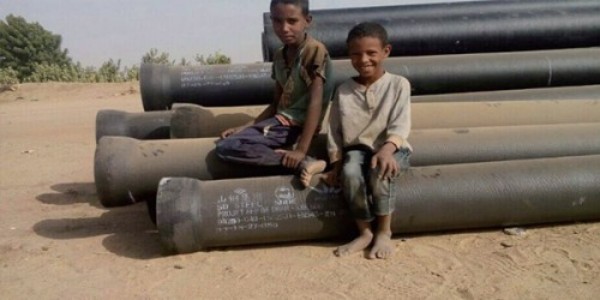
Due to their dimensional stability and mechanical reliability, ductile iron pipes are widely applied in:
Municipal water supply networks
Sewage and drainage systems
Irrigation pipelines
Gas distribution systems
Industrial effluent and cooling water lines
How Do You Choose the Right Ductile Iron Pipe Dimensions?
Selecting the correct ductile iron pipe requires balancing hydraulic, mechanical, and environmental factors:
Nominal Diameter (DN): Based on flow demand
Wall Thickness Class: According to pressure and loading conditions
Pipe Length: Standard or extended, depending on installation efficiency
Joint Type: Flexible or restrained, based on system design
Coatings and Linings: Based on soil, water quality, and corrosion risk
Standards Compliance: EN 545, ISO 2531, or project-specific requirements
How Is Quality and Dimensional Accuracy Ensured?
Manufacturers carry out comprehensive testing, including:
Hydrostatic pressure testing
Tensile and yield strength tests
Dimensional inspection using calibrated equipment
Wall thickness verification
Coating thickness measurement
These procedures ensure full compliance with international standards and long-term pipeline reliability.
Conclusion: Why Understanding Ductile Iron Pipe Dimensions Matters
A clear understanding of ductile iron pipe dimensions is essential for engineers, contractors, and procurement professionals involved in infrastructure projects. By following international standards such as ISO 2531 and EN 545, selecting appropriate wall thickness classes, and matching dimensions to real installation conditions, project risks can be significantly reduced.
Whether used in water supply, drainage, or industrial systems, properly specified ductile iron pipes deliver safety, durability, and cost-effective performance throughout their service life.
Take Action
Are you planning a water supply or sewage project
For more technical insights and product options, visit:
 GT-type Joint Ductile Iron Pipe
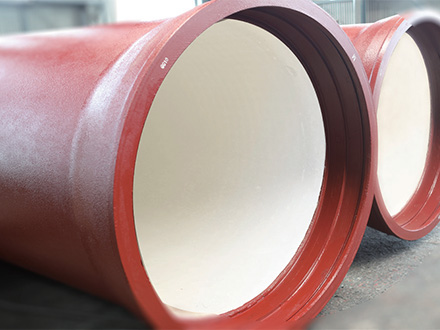 Sewage Pipe (Ductile Iron Sewage Pipe)
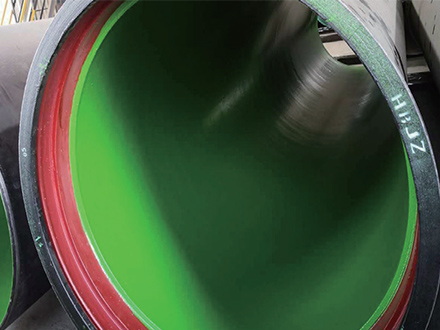 Special Coating Pipe (Ductile Iron Pipe with Special Coatings)