

How Does Ductile Iron Pipe Resist Corrosion? Internal and External Protection Explained
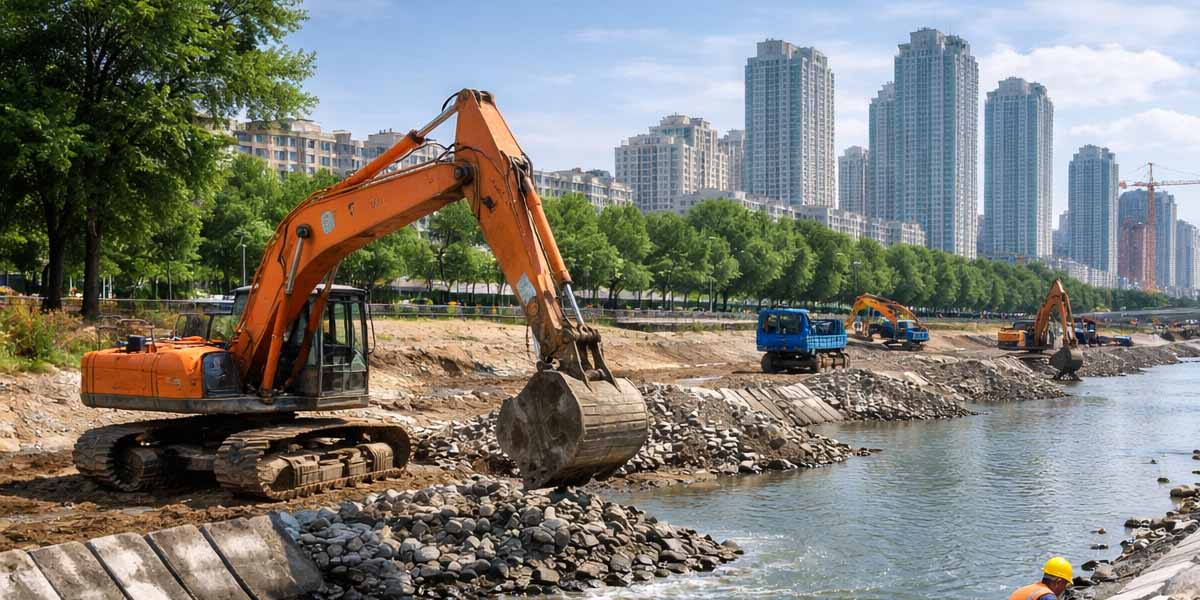
Corrosion resistance is one of the key reasons ductile iron pipe is widely used in water supply, wastewater, and infrastructure projects. Its durability comes from a combination of ductile iron material properties, internal lining systems, external coatings, and proper installation design.
With suitable corrosion protection systems, ductile iron pipelines can achieve a designed service life of 50 years or more under proper operating conditions.
Although ductile iron provides excellent durability compared with many traditional metal pipes, the actual service performance depends on various factors, including soil conditions, transported media, coating systems, and project environment.
Understanding how ductile iron pipe resists corrosion helps engineers and buyers select the right protection system for long-term pipeline reliability.
1. Why Does Ductile Iron Pipe Need Corrosion Protection?
Ductile iron pipes are commonly installed underground or used to transport different types of fluids. During long-term operation, the pipe surface may be exposed to moisture, oxygen, chemicals, and microorganisms that can accelerate corrosion.
The main corrosion risks include:
Electrochemical Corrosion
When iron comes into contact with water and oxygen, electrochemical reactions may occur on the metal surface, causing oxidation and gradual material loss.
Microbiologically Induced Corrosion (MIC)
Certain microorganisms in soil or wastewater environments can produce corrosive substances, increasing the risk of localized corrosion.
Chemical Corrosion
Industrial wastewater, acidic or alkaline fluids, saline environments, and aggressive soils may attack the pipe surface if suitable protection measures are not applied.
For this reason, ductile iron pipe corrosion protection systems are designed to create barriers between the pipe and corrosive environments.
2. How Does Internal Lining Protect Ductile Iron Pipe?
The internal surface of ductile iron pipe is directly exposed to the transported medium. Internal lining creates a protective layer between the fluid and the pipe wall, helping improve durability and maintain water quality.
Common internal lining systems include:
| Application | Recommended Internal Lining System | Protection Advantage |
|---|---|---|
| Drinking water and raw water | Cement mortar lining, sulfate-resistant cement lining, PE lining | Provides physical isolation and helps reduce internal corrosion |
| High-quality water systems | Cement lining with epoxy sealing, polyurethane lining | Improves chemical resistance and reduces surface deposits |
| Municipal wastewater | High alumina cement lining, epoxy ceramic lining | Provides better resistance against acid, alkali, and abrasion |
| Industrial wastewater | Polyurethane or high-performance polymer lining | Suitable for aggressive chemical environments |
The correct internal lining system depends on water quality, chemical conditions, operating environment, and project requirements.
3. How Does External Coating Protect Ductile Iron Pipe?
For buried pipelines, the external surface is exposed to soil moisture, chemicals, and surrounding environmental conditions.
External coatings help isolate ductile iron from corrosive surroundings and improve long-term protection.
Common external corrosion protection methods include:
Zinc Coating + Asphalt Coating
Zinc coating provides cathodic protection by acting as a sacrificial layer. The zinc reacts first, helping protect the ductile iron pipe underneath.
The asphalt coating provides an additional barrier against soil moisture and chemical exposure.
Polyethylene (PE) Protective Sleeve
PE sleeves create a physical isolation layer around the pipe.
They are commonly used in areas with higher corrosion risks, such as:
Coastal regions
Industrial zones
Aggressive soil environments
Polyurethane and High-Performance Coatings
For projects exposed to severe conditions, including saline soil, industrial environments, or special applications, advanced coating systems can provide enhanced chemical and mechanical protection.
4. Why Does Ductile Iron Provide Better Corrosion Resistance?
The corrosion performance of ductile iron pipe depends not only on external protection systems but also on the characteristics of the material itself.
Compared with traditional cast iron, ductile iron contains a spheroidal graphite structure. This structure improves mechanical strength and toughness, reducing the risk of cracking caused by stress concentration.
Combined with modern manufacturing technologies, such as:
Centrifugal casting
Controlled cement lining processes
Electrostatic coating application
Composite protection systems
ductile iron pipes can achieve stable performance across different operating environments.
5. How Long Can Ductile Iron Pipes Last?
The service life of ductile iron pipe depends on multiple factors, including:
Soil corrosiveness
Transported medium
Internal lining and external coating selection
Installation quality
Operating conditions
With appropriate corrosion protection, ductile iron pipelines are commonly designed for long-term operation and can achieve a service life of 50 years or more.
For harsh environments, additional protection systems such as PE sleeves or advanced coating solutions can further improve durability.
6. International Standards for Ductile Iron Pipe Corrosion Protection
Ductile iron pipes used in global infrastructure projects are manufactured according to recognized international standards, including:
ISO 2531 – Ductile iron pipes, fittings, accessories and their joints for water applications
EN 545 – Ductile iron pipes for water pipelines
EN 598 – Ductile iron pipes for sewerage applications
AWWA C151 – Ductile iron pipe standards in the United States
GB/T 13295 – Ductile iron pipes, fittings and accessories in China
These standards define requirements for dimensions, mechanical properties, joint performance, coating systems, and quality control, helping ensure consistent performance in international projects.
How Tiegu Supports Ductile Iron Pipe Procurement
Selecting the right ductile iron pipe protection system requires more than choosing a standard product. Tiegu supports international buyers by coordinating qualified suppliers and aligning pipe specifications, coating requirements, and project conditions to help reduce technical selection risks.
Through an integrated supply network across China, Tiegu helps buyers improve sourcing reliability, verify suitable production capabilities, and coordinate export requirements for water supply, wastewater, and infrastructure projects.
Conclusion: How Does Ductile Iron Resist Corrosion?
Ductile iron pipe corrosion resistance comes from a complete protection system:
The ductile iron material provides strength and durability
Internal lining protects against transported fluids
External coatings reduce environmental corrosion risks
Proper design, installation, and standards support long-term performance
Choosing the right corrosion protection solution is essential for extending pipeline life and reducing maintenance costs.
For ductile iron pipe projects requiring supplier coordination, technical alignment, and export support, Tiegu helps international buyers connect with suitable manufacturing resources in China.
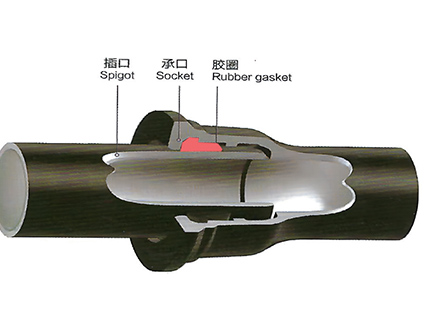 GT-type Joint Ductile Iron Pipe
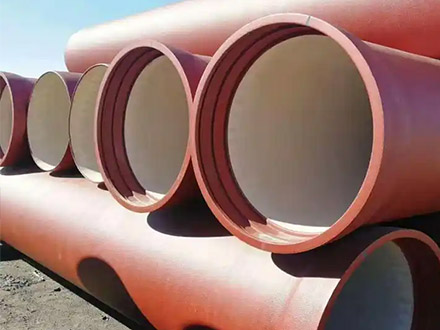
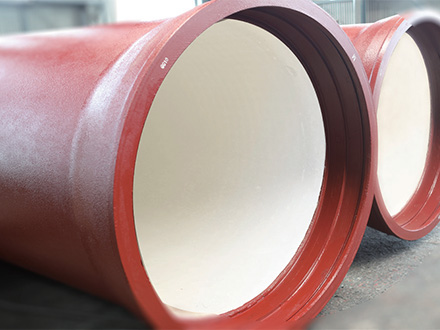 Sewage Pipe (Ductile Iron Sewage Pipe)
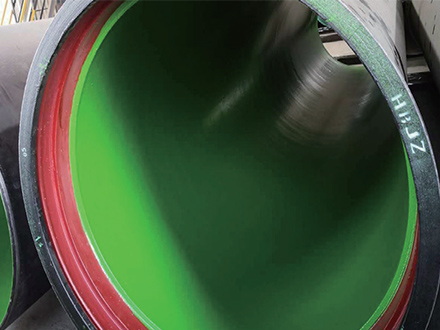 Special Coating Pipe (Ductile Iron Pipe with Special Coatings)