

Can Ductile Iron Pipe Crack? Causes, Conditions, and What It Means
Can ductile iron pipe crack? This is a question that often arises among homeowners, municipal engineers, and general water infrastructure enthusiasts. While ductile iron pipes are designed for high strength and durability, it is important to understand the circumstances under which cracks may occur, and how these conditions affect overall pipe performance and safety.
Table of Contents
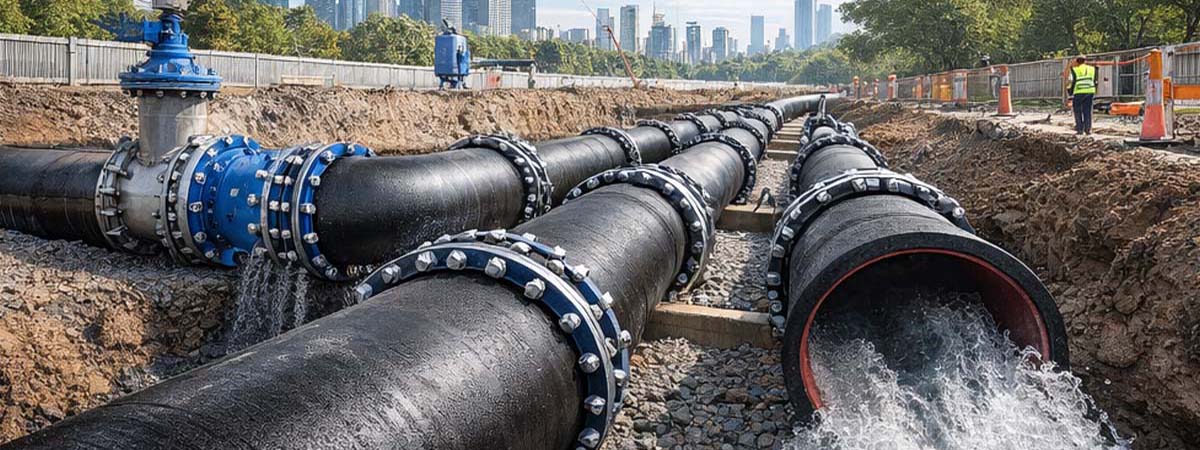
What Is Ductile Iron Pipe and How It Differs from Cast Iron
Ductile iron pipe (DIP) is a type of cast iron with improved ductility and tensile strength, achieved by adding small amounts of magnesium during production. Unlike traditional gray cast iron, which is brittle and prone to fracture, ductile iron pipes can bend slightly under pressure without breaking. This material property significantly enhances pipe durability and reduces the likelihood of cracks under normal operating conditions.
For more information, you can refer to our Ductile Iron Pipe Technical Summary.
Common Misconceptions About Cracks in Ductile Iron Pipes
There are several common misconceptions about cracks in ductile iron pipes. One is that all iron pipes crack easily. In reality, ductile iron pipes are engineered to withstand internal water pressure and external loads. Another misconception is that a visible crack always indicates material failure, whereas many surface marks may result from handling or minor external impacts. Understanding these distinctions helps clarify why ductile iron pipes are considered reliable in water infrastructure.
Can Ductile Iron Pipe Crack Under Certain Conditions?
While ductile iron pipes are highly durable, certain conditions may still lead to cracks:
External loads and ground movement: Shifts in soil or heavy construction loads can stress pipes.
Improper installation or handling: Dropping, uneven bedding, or insufficient joint sealing may cause localized damage.
Unusual pressure events: Water hammer or sudden surges can generate internal stresses.
Each of these factors represents a deviation from typical operating conditions. Proper installation, handling, and maintenance can significantly reduce the likelihood of cracks in ductile iron pipes.
For technical guidelines, refer to our Ductile Iron Pipe Standards and Certification.
How Cracks Are Different from Normal Pipe Damage
Not all visible defects indicate structural failure. Surface scratches, minor chips, or small dents do not compromise the structural integrity of ductile iron pipes. Engineers distinguish between cracks that affect safety and minor cosmetic defects. This understanding prevents unnecessary replacements and helps maintain water infrastructure efficiently.
What Cracking Really Means for Pipe Performance and Safety
In conclusion, while ductile iron pipes can crack under extreme or improper conditions, such occurrences are relatively rare. Understanding the distinction between true cracks and superficial damage helps homeowners and engineers assess pipe performance accurately. Proper design, installation, and routine inspection ensure that ductile iron pipes continue to provide safe and reliable service in municipal water systems.
See also our Ductile Iron Pipe Solutions for more insights.
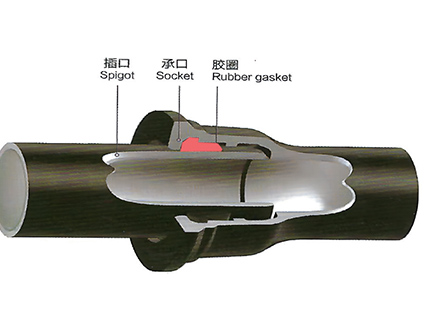 GT-type Joint Ductile Iron Pipe
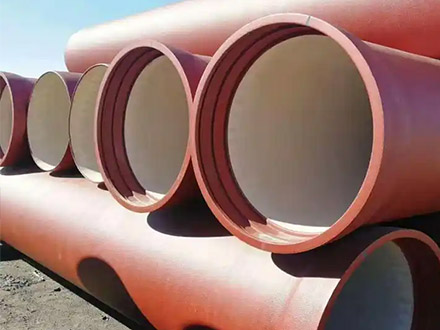
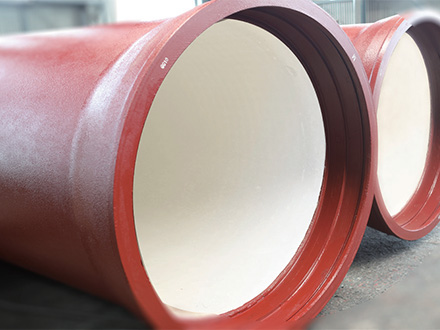 Sewage Pipe (Ductile Iron Sewage Pipe)
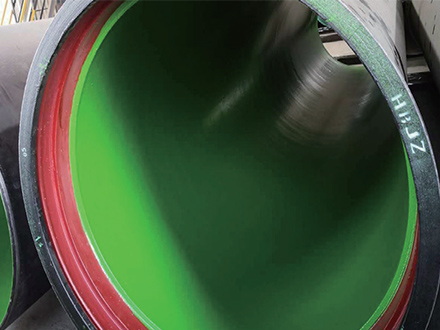 Special Coating Pipe (Ductile Iron Pipe with Special Coatings)