

Technical Interpretation of Ductile Iron Pipes under ISO 2531
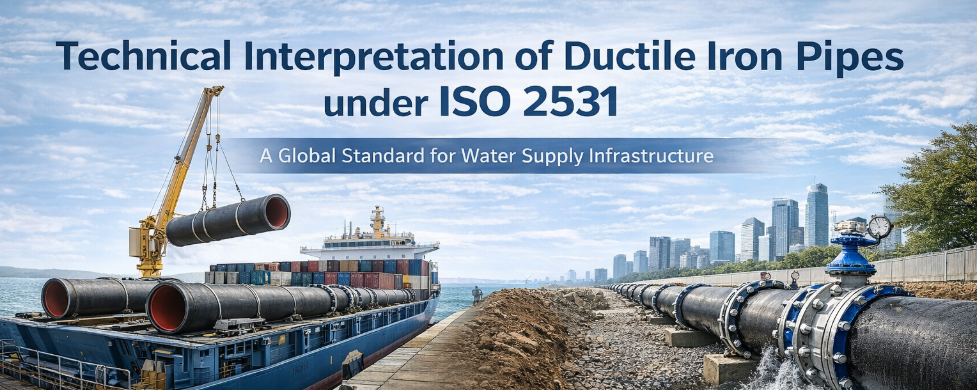
A Global Standard for Water Supply Infrastructure
1. What Is ISO 2531 and Why Does It Matter?
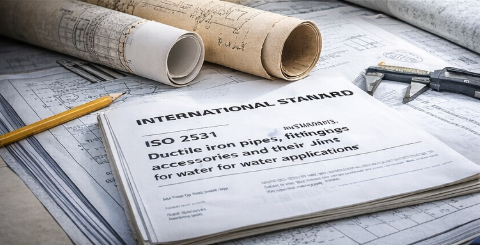
ISO 2531 is an international standard issued by the International Organization for Standardization (ISO), titled:
“Ductile iron pipes, fittings, accessories and their joints for water applications.”
It is one of the most widely recognized technical standards for ductile iron pipes used in water supply and transmission systems worldwide. ISO 2531 is commonly specified in:
International water supply projects
EPC and infrastructure projects
World Bank / ADB funded projects
Belt and Road water and municipal engineering
Cross-border procurement and tender documents
In many international projects, ISO 2531 serves as a “common technical language”, ensuring consistency between manufacturers, contractors, consultants, and end users.
2. Scope of Application of ISO 2531
ISO 2531 applies to:
Ductile iron pipes and pipelines used for water applications, including drinking water and raw water
Typical nominal diameters ranging from DN 80 to DN 2000
System components including:
Pipes
Fittings (bends, tees, reducers, etc.)
Accessories and joints
⚠️ The standard does not apply to pipes intended for:
High-temperature fluids
Industrial chemicals
Non-pressure applications
3. Material Requirements for Ductile Iron Pipes
3.1 Graphite Structure and Matrix
ISO 2531 emphasizes performance rather than prescribing fixed chemical compositions. The key material requirement is:
Graphite must be in spheroidal (nodular) form
The metallic matrix is typically:
Ferritic
Or ferritic with a controlled amount of pearlite
This structure ensures an optimal balance of:
Strength
Ductility
Impact resistance
3.2 Mechanical Properties (Typical Requirements)
For standard grades under ISO 2531, ductile iron pipes must meet minimum mechanical properties such as:
| Property | Requirement |
|---|---|
| Tensile strength | ≥ 420 MPa |
| Yield strength | ≥ 300 MPa |
| Elongation | ≥ 10% |
These requirements ensure that pipes can safely withstand:
Internal pressure fluctuations
Ground movement and settlement
External loads from soil and traffic
4. Dimensional Tolerances and Structural Design
ISO 2531 defines strict requirements for:
Outside diameter
Wall thickness
Straightness
Socket and joint geometry
Wall Thickness Design Philosophy
Unlike simplified “thicker-is-better” approaches, ISO 2531 wall thickness is determined based on:
Design pressure
Safety factors
Installation conditions
Soil and backfill characteristics
This reflects the system engineering philosophy of the ISO standard, focusing on reliability and efficiency over the entire service life.
5. Pressure Ratings and Testing Requirements
5.1 Hydrostatic Pressure Testing
Each ductile iron pipe manufactured under ISO 2531 must undergo:
Hydrostatic pressure testing at the factory
Test pressure higher than the nominal working pressure
This verifies:
Structural integrity of the pipe
Leak-tightness of the pipe body and joints
5.2 Mandatory Factory Inspections
Typical inspection items include:
Visual inspection
Dimensional checks
Hydrostatic pressure testing
Coating continuity and adhesion testing
Only products that pass all inspections are considered compliant with ISO 2531.
6. Corrosion Protection and Coating Systems
6.1 External Protection
ISO 2531 allows flexibility in external protection systems, provided they are suitable for the intended environment. Common solutions include:
Zinc coating with finishing layer
Bituminous coatings
Other approved corrosion protection systems
The core principle is:
The corrosion protection system must match the environmental and soil conditions of the project.
6.2 Internal Lining
For water applications, ISO 2531 typically requires:
Cement mortar lining
Key requirements include:
Smooth and uniform surface
No cracking, peeling, or detachment
No adverse impact on water quality
7. Joints and Sealing Systems
ISO 2531 places strong emphasis on joint performance. Joint systems must:
Maintain tight sealing under internal pressure
Allow controlled angular deflection
Withstand limited axial movement
Rubber gaskets used in joints must comply with:
Aging resistance requirements
Drinking water safety regulations
This makes ISO 2531 ductile iron pipelines highly suitable for:
Long-distance transmission projects
Areas with unstable geological conditions
8. Relationship between ISO 2531 and Other Standards
| Standard | Relationship |
|---|---|
| EN 545 | Highly aligned; widely used in European projects |
| GB/T 13295 | Chinese national standard, largely harmonized with ISO |
| AWWA | North American system with different design philosophy |
In many international projects, ISO 2531 is used as the baseline standard, supplemented by project-specific technical requirements.
9. Why ISO 2531 Is Widely Accepted in Global Projects
ISO 2531 ductile iron pipes are favored because they offer:
Proven long-term reliability
High safety margins
Excellent adaptability to complex installation conditions
Compatibility with international engineering practices
These advantages explain why ductile iron pipes remain a preferred solution for global water supply infrastructure.
10. Conclusion
ISO 2531 is not merely a product specification—it is a comprehensive technical framework covering materials, design, manufacturing, inspection, corrosion protection, and installation performance.
For manufacturers, contractors, and project owners involved in international water projects, a deep understanding of ISO 2531—not just basic compliance—is essential for ensuring quality, durability, and long-term project success.
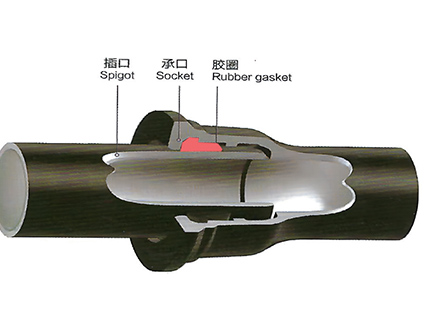 GT-type Joint Ductile Iron Pipe
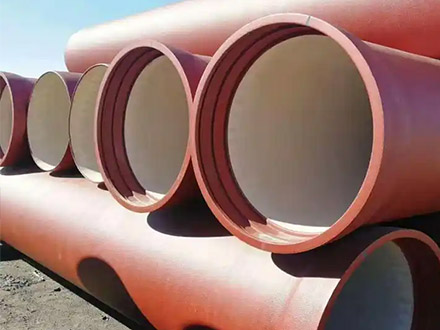
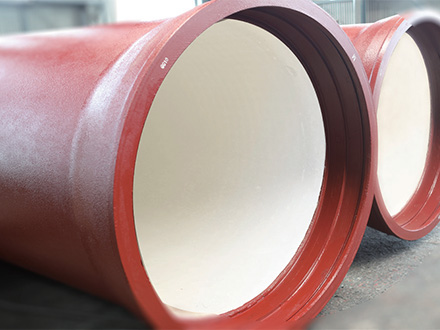 Sewage Pipe (Ductile Iron Sewage Pipe)
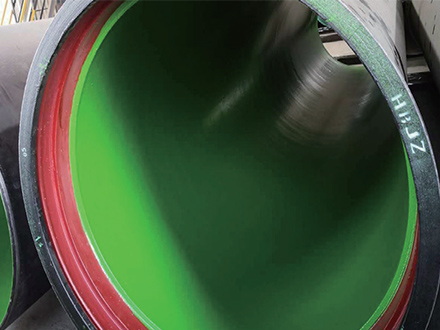 Special Coating Pipe (Ductile Iron Pipe with Special Coatings)