

DI Pipe vs PVC for High-Pressure Water Systems: Cost & Performance Comparison

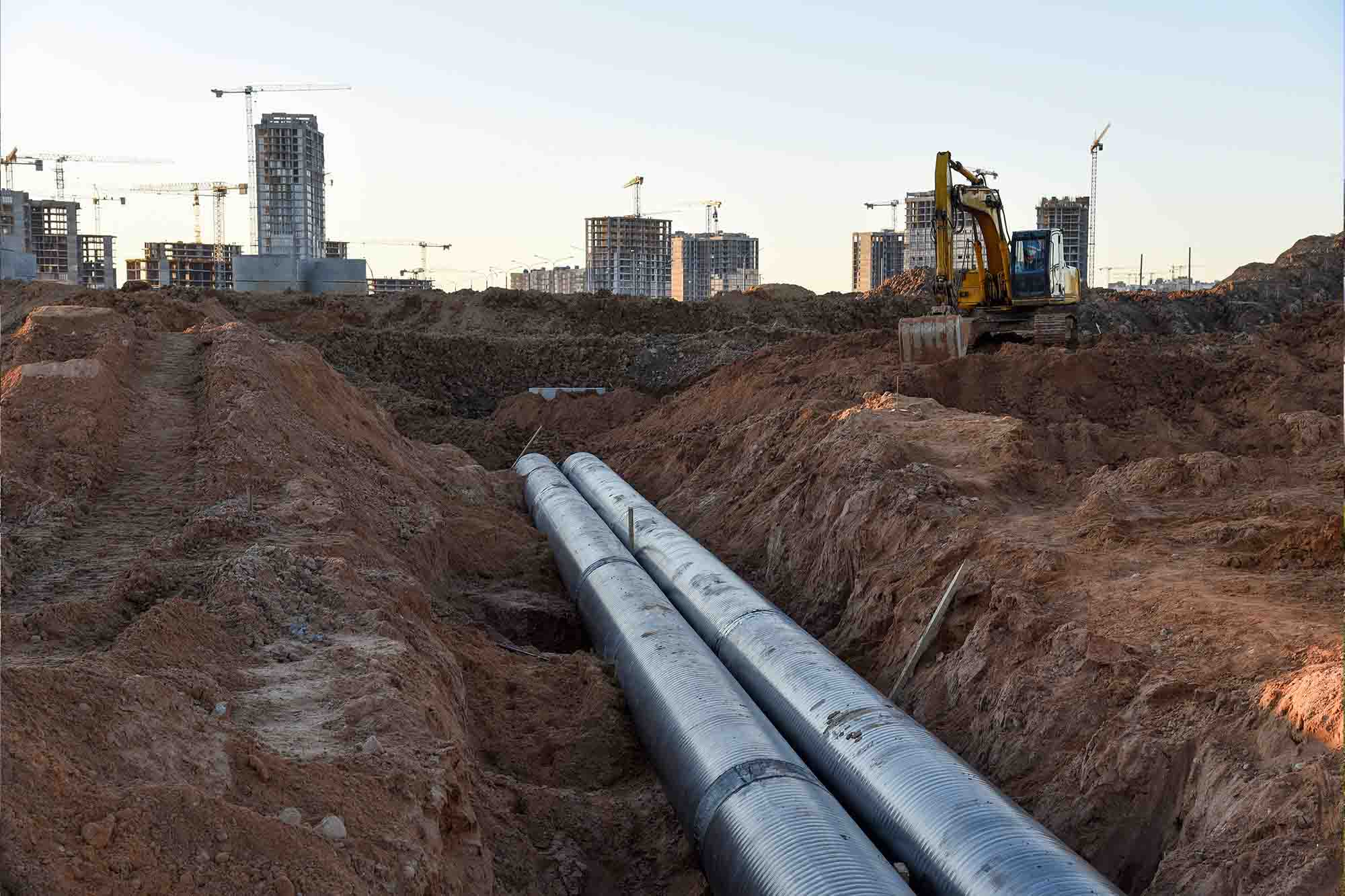
For a complete overview of South Africa water pipeline projects including material selection, standards, procurement, and logistics, see our South Africa Water Pipeline Complete Guide 2026 →
Why Is Material Selection Critical for High-Pressure Water Systems?
High-pressure water systems — including bulk transmission mains, pumped distribution networks, and high-elevation supply schemes — operate under sustained internal pressures that place extreme demands on pipe material performance. Selecting the wrong material can lead to catastrophic failures, including pipe bursts, joint separations, and water hammer damage.
The stakes are particularly high for municipal water infrastructure, where pipe failures can:
Disrupt water supply to thousands of residents
Cause road subsidence and property damage from high-pressure water erosion
Generate repair costs 3-5x the original pipe installation cost
Create public safety hazards from sudden water main bursts under roads
For these reasons, engineers and contractors must evaluate pipe material based on pressure capacity, long-term durability, and total cost of ownership — not just initial purchase price.
How Does DI Pipe Compare to PVC in Pressure Resistance?
Pressure resistance is the most critical differentiator between DI pipe and PVC pipe. The difference is substantial and directly impacts material selection for high-pressure applications.
DI Pipe Pressure Performance
Ductile iron pipe per ISO 2531 delivers exceptional pressure capacity:
K9 class: 40 bar Maximum Operating Pressure (MOP), 50 bar Pressure Maximum Admissible (PMA)
K10 class: 50 bar MOP, 62.5 bar PMA
K12 class: 63 bar MOP, 78.7 bar PMA
These pressure ratings apply across the full diameter range (DN80-DN2000), meaning DI pipe maintains consistent pressure capacity regardless of pipe size. This makes DI pipe suitable for virtually all municipal water applications, from low-pressure distribution to high-pressure transmission.
PVC Pipe Pressure Performance
PVC pipe pressure ratings are significantly lower and decrease as diameter increases:
PVC PN16: 16 bar MOP (typically available up to DN315 only)
PVC PN10: 10 bar MOP (available up to DN630)
PVC PN6: 6 bar MOP (available for larger diameters)
For diameters above DN315, PVC pipe pressure ratings drop to PN10 or below, making it unsuitable for high-pressure municipal applications. Additionally, PVC pipe is highly sensitive to surge pressures (water hammer), which can cause sudden failure even when steady-state operating pressure is within rating.
| Feature | DI Pipe (ISO 2531 K9) | PVC Pipe (ISO 4422 PN16) |
|---|---|---|
| Max Operating Pressure | 40 bar (PN40) | 16 bar (PN16) — up to DN315 only |
| Surge Pressure Tolerance | 50 bar PMA (25% safety margin) | Low (sensitive to water hammer) |
| Impact Strength | Excellent (300+ kJ/m²) | Poor (brittle failure risk) |
| UV Resistance | Excellent (bitumen coating) | Poor (degrades in sunlight) |
| Temperature Range | -20°C to +70°C | 0°C to +45°C (pressure derating above 20°C) |
| Diameter Range | DN80-DN2000+ | DN20-DN630 (limited high-pressure range) |
| Joint Reliability | Push-on / Mechanical (proven) | Push-on / Solvent weld (weaker) |
Which Material Offers Longer Lifespan?
Service life directly impacts the total cost of ownership for water infrastructure projects. Municipal water authorities typically evaluate pipelines over a 50-year lifecycle, making long-term durability a critical selection criterion.
DI pipe has a proven service life of 50-100+ years. The combination of cement mortar lining (ISO 4179) and zinc coating (ISO 8179) prevents both internal and external corrosion throughout the pipe's service life. Real-world data from municipal utilities worldwide confirms that properly installed DI pipe routinely exceeds 50 years of service with minimal maintenance.
PVC pipe has a typical service life of 20-30 years for pressure applications. PVC degrades over time due to UV exposure (during surface storage), temperature cycling, and sustained internal pressure. Above 20°C operating temperature, PVC pressure ratings must be derated, further reducing effective service life in warm climates — a common condition in South Africa's inland regions.
What Is the Total Cost of Ownership Comparison?
While PVC pipe has a lower initial purchase cost, total cost of ownership analysis over a 50-year lifecycle consistently favors DI pipe for high-pressure applications:
| Cost Factor | DI Pipe (K9) | PVC Pipe (PN16) |
|---|---|---|
| Initial Purchase (DN300) | $$ (moderate) | $ (low) |
| Installation | $$ (requires crane for large diameters) | $ (lightweight, manual handling) |
| Maintenance (50 years) | $ (very low failure rate) | $$$ (higher failure rate, UV degradation) |
| Replacement Cost (50 years) | $ (no replacement needed) | $$$ (1-2 replacements required) |
| Total Cost (50 years) | Lowest | High |
The key cost drivers favoring DI pipe:
No replacement cost: DI pipe's 50-100 year service life eliminates the need for mid-life replacement required by PVC (20-30 years).
Lower maintenance: DI pipe failure rates are typically <0.1 failures/km/year, compared to 0.5-1.5 failures/km/year for aging PVC networks.
Pressure capacity: DI pipe handles high pressure without derating, while PVC requires pressure reduction above 20°C, potentially necessitating larger diameter pipe or additional pumping stations.
When Is PVC Pipe a Suitable Choice?
PVC pipe is not always the wrong choice. There are specific scenarios where PVC outperforms DI pipe:
Low-pressure distribution (<pn10):For small-diameter service connections (DN50-DN110) and low-pressure residential distribution networks, PVC's lightweight nature and low cost make it an economical choice.
Chemical resistance applications: For industrial effluent discharge or highly corrosive water conditions where even zinc coating may be consumed, PVC's inherent chemical resistance provides an advantage.
Budget-constrained projects: For projects with strict initial budget limits and short-term service life expectations (10-15 years), PVC's low purchase cost may be the deciding factor.
However, for high-pressure municipal water mains (DN200+ at PN16+), PVC is not a viable alternative to DI pipe. Tiegu coordinates production with ISO 2531-certified foundries supplying K9 ductile iron pipe for municipal water projects worldwide. We verify pressure testing records, cement lining specifications, and coating compliance before every shipment. This means engineers and contractors receive DI pipe with complete material test reports, third-party inspection certificates, and SABS compliance documentation — all managed through a single supply chain partner. You can share your hydraulic design specifications or pipeline requirements for material selection guidance and competitive quotation. 📋 Get Free Technical Quotation Share your pipeline specifications — receive material recommendation and pricing within 24 hours For high-pressure water systems (PN16+): DI pipe (K9 class, PN40 MOP) is the only viable choice, delivering 2.5x higher pressure capacity, 2-3x longer service life, and lower total cost of ownership compared to PVC pipe. Selection criteria: ✅ High pressure (PN16+), large diameter (DN200+), municipal mains: Choose DI pipe (K9 class) ✅ Low pressure (<pn10), small="" diameter="" (dn50-dn110),="" residential="" distribution:="" pvc="" pipe="" may="" be="" suitable ✅ High temperature (>25°C soil), water hammer risk, impact resistance required: DI pipe is essential No, PVC pipe is not suitable for high-pressure water mains. PVC PN16 (the highest common pressure rating) is limited to 16 bar operating pressure and is typically only available up to DN315 diameter. Additionally, PVC pressure ratings must be derated above 20°C operating temperature. For municipal water mains requiring PN16+ pressure capacity, ductile iron pipe (K9 class, PN40 MOP) is the standard choice. DI pipe has a higher initial purchase cost (typically 30-50% more than PVC pipe for the same diameter), but delivers lower total cost of ownership over a 50-year lifecycle. PVC pipe requires 1-2 replacements within 50 years (20-30 year service life), while DI pipe lasts 50-100+ years without replacement. When replacement cost (pipe + installation + road reinstatement) is included, DI pipe consistently delivers lower total cost. The maximum common pressure rating for PVC water pipe is PN16 (16 bar), typically available up to DN315 diameter. Some manufacturers offer PN20 PVC pipe for small diameters (up to DN160). However, PVC pressure ratings must be derated above 20°C operating temperature — at 30°C, PN16 drops to approximately PN12, and at 40°C, it drops to approximately PN8. For pressures above PN12, specify DI pipe. PVC pipe has a typical service life of 20-30 years for pressure water applications. Service life is reduced by UV exposure (during surface storage), elevated operating temperatures (above 25°C), and sustained internal pressure. In warm climates like South Africa, PVC service life may be closer to 15-20 years due to elevated soil temperatures in shallow trenches. DI pipe, by comparison, lasts 50-100+ years. Tiegu — Professional Casting Export Partner 📱 WhatsApp / WeChat: +86 152 5613 5588 📧 Email: zbw@tiegu.net 🌐 Website: www.ductileironpipe2600.com 💬 Inquiry Form: Submit Your Requirements Response Time: We typically respond within 24 hours with technical specifications, pricing, and delivery timelines for your project. Related reading: Supplier verification guide → | Shipping logistics timeline → DI pipe (K9 class, PN40 MOP) delivers 2.5x higher pressure capacity than PVC pipe (PN16), making it the only viable choice for high-pressure water mains. Service life of 50-100+ years makes DI pipe significantly more economical than PVC (20-30 years) over a 50-year lifecycle, despite higher initial purchase cost. PVC pipe pressure ratings must be derated above 20°C, reducing effective capacity to PN10-PN12 in South Africa's warm climate conditions. Total cost of ownership analysis consistently favors DI pipe for municipal water mains, bulk transmission pipelines, and high-pressure pumping systems. PVC pipe is suitable only for low-pressure Common Problems in DI Pipe vs PVC Selection & How to Avoid Them
Contractor selects PVC PN16 for a pipeline with 18 bar operating pressure. PVC fails during hydrostatic testing or within 2-3 years of operation due to sustained pressure stress cracking.
Solution: Never use PVC pipe where operating pressure exceeds 80% of PN rating (e.g., PN16 PVC max operating pressure = 12.8 bar). For pressures above PN12, specify DI pipe (K9 class, PN40 MOP).
Engineer specifies PVC PN16 for a shallow trench pipeline in a warm climate (soil temperature 35°C). PVC pressure rating derates to approximately PN10 at this temperature, causing premature failure.
Solution: Apply temperature derating factors per ISO 4422 for PVC pipe operating above 20°C. For South African projects, assume minimum soil temperature of 25-30°C in shallow trenches and derate accordingly.
Procurement team selects PVC pipe because it is 30-40% cheaper than DI pipe. Within 15-20 years, replacement costs (pipe + installation + road reinstatement) exceed the original DI pipe cost by 2-3x.
Solution: Evaluate total cost of ownership over 50-year lifecycle, including replacement cost. For municipal water infrastructure, DI pipe consistently delivers lower total cost despite higher initial purchase price.Strategic Sourcing for Water Infrastructure Projects
✅ Final Recommendation
Frequently Asked Questions
Can PVC pipe be used for high-pressure water mains?
Is ductile iron pipe more expensive than PVC pipe?
What is the maximum pressure for PVC water pipe?
How long does PVC pipe last for water supply?
📞 Contact Us for Pipe Material Selection
Summary: Key Takeaways
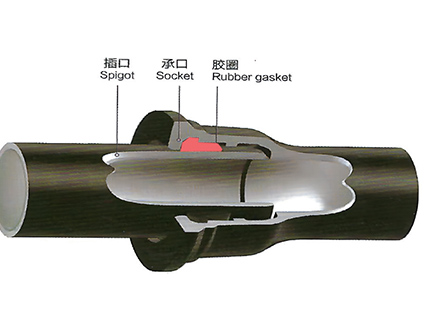 GT-type Joint Ductile Iron Pipe
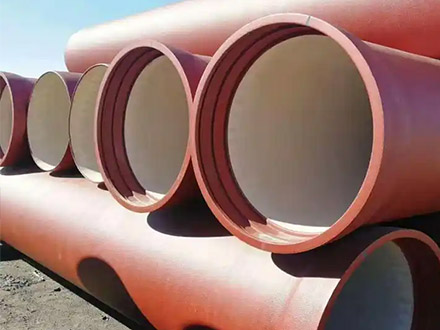
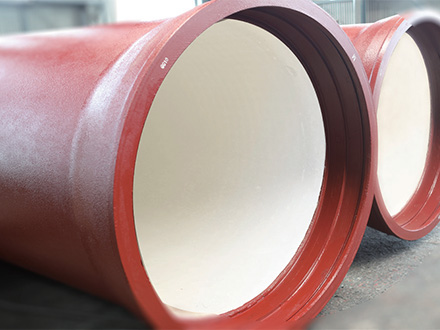 Sewage Pipe (Ductile Iron Sewage Pipe)
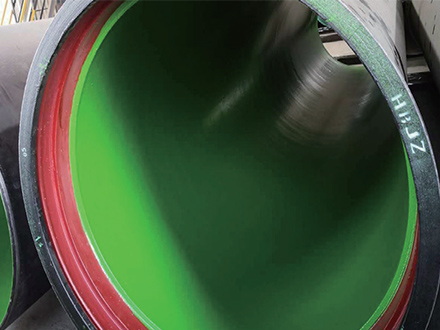 Special Coating Pipe (Ductile Iron Pipe with Special Coatings)