

How to Choose a Reliable DI Pipe Supplier from China: A Complete Guide

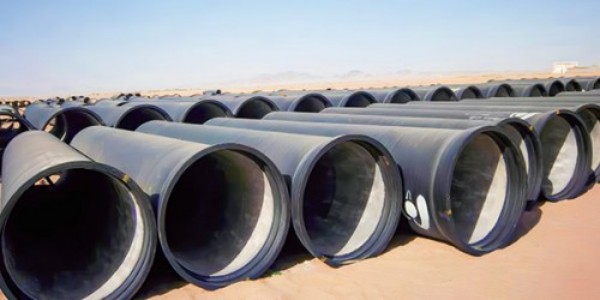
For a complete overview of South Africa water pipeline projects including material selection, standards, procurement, and logistics, see our South Africa Water Pipeline Complete Guide 2026 →
Why Is Supplier Verification Critical for South African Projects?
South African water infrastructure projects face unique challenges that make supplier selection particularly important. The combination of SABS certification requirements, long ocean transit distances (25-35 days to Durban/Cape Town), and strict municipal quality standards means that choosing the wrong supplier can result in project delays, compliance failures, and costly replacements.
For EPC contractors, municipal engineers, and procurement teams, verifying supplier capabilities before placing orders is essential for project success and risk mitigation.
Step 1: Verify ISO 2531 Certification and SABS Compliance
The first verification step is confirming that the supplier can provide pipe manufactured to ISO 2531 (international standard) or SANS 14394 (South African national standard) with complete certification documentation.
What to Verify
ISO 2531 certification: Request a copy of the supplier's ISO 2531 certificate and verify it with the issuing certification body. Check that the certificate is current (not expired) and covers the specific diameter range and pressure classes you require.
SABS certification: For government-funded projects, SABS certification is mandatory. Request the supplier's SABS certificate number and verify it on the SABS website (www.sabs.co.za). Note that SABS certification is product-specific — verify that the certificate covers DI pipe, not just general foundry products.
Material test reports (MTR): Request sample MTRs from recent production batches. Verify that reports include chemical composition analysis (carbon, silicon, manganese, sulfur, phosphorus), mechanical properties (tensile strength, yield strength, elongation), and hydrostatic test results.
Step 2: Confirm Factory Manufacturing Capabilities
Verify that the supplier operates a manufacturing facility (not a trading company) with the equipment, capacity, and expertise to produce DI pipe to your specifications.
Key Manufacturing Capabilities to Verify
Casting method: Centrifugal casting (ISO 2531 requirement) — verify that the factory uses centrifugal casting machines, not sand casting or investment casting.
Diameter range: Confirm that the factory can produce the specific diameters you require (DN80-DN2000). Some factories specialize in small diameters (DN80-DN300) or large diameters (DN600-DN2000).
Annual production capacity: Verify that the factory can handle your order volume within the required timeline. Typical capacity ranges from 50,000 to 300,000 tonnes per year.
Testing equipment: Confirm that the factory has in-house testing capabilities including spectrometer (chemical composition), tensile testing machine, hardness tester, hydrostatic testing equipment, and cement mortar lining thickness measurement.
Factory Audit Options
If possible, conduct an on-site factory audit or arrange for a third-party audit:
On-site audit (recommended for large orders >500 tonnes): Visit the factory to verify manufacturing capabilities, quality control processes, and working conditions. Typical audit duration: 1-2 days.
Third-party audit (recommended for medium orders 100-500 tonnes): Engage SGS, Bureau Veritas, TÜV, or China Inspection & Testing to conduct a factory audit on your behalf. Typical cost: $500-$1,500 depending on factory location and audit scope.
Video audit (for small orders <100 tonnes): Request a live video tour of the factory with Q&A session. While less comprehensive than on-site audit, it provides basic verification of manufacturing capabilities.
Step 3: Evaluate Communication and Documentation Quality
Supplier communication quality during the quotation phase is a strong indicator of project execution quality. Evaluate the following:
Communication Responsiveness
Response time: Does the supplier respond to inquiries within 24 hours? Delays in initial communication often indicate broader organizational issues.
Technical understanding: Does the supplier understand your project requirements (ISO 2531, SANS 14394, pressure class, diameter range, coating specification)? Can they ask relevant technical questions?
Language proficiency: Can the supplier communicate effectively in English? Poor communication leads to specification errors, documentation issues, and project delays.
Documentation Quality
Quotation completeness: Does the quotation include all required items (pipe, fittings, gaskets, coating, lining, packing, ocean freight, documentation)? Missing items often indicate inexperience with international projects.
Technical documentation: Does the supplier provide complete technical documentation including material test reports, coating certificates, hydrostatic test records, and packing lists?
Compliance documentation: Can the provide ISO 2531 certificate, SABS certificate (if required), certificate of origin (CCPIT certified), and other compliance documents?
Step 4: Check Reference Projects and Market Experience
Verify the supplier's experience with similar projects and markets. Suppliers with proven track records in South Africa or other African markets are more likely to understand local requirements and deliver compliant products.
What to Verify
Reference projects in South Africa: Request a list of recent projects supplied to South Africa (municipal water mains, bulk transmission, rural schemes). Contact the project owner or contractor to verify quality and delivery performance.
Reference projects in similar markets: If the supplier lacks South African experience, check projects in other African countries (Nigeria, Kenya, Tanzania, Ghana) or Middle East markets (UAE, Saudi Arabia, Oman) with similar quality standards.
Project scale: Verify that the supplier has experience with projects of similar scale to yours. A supplier experienced with 50-tonne orders may not be equipped for 2,000-tonne municipal projects.
Step 5: Require Third-Party Pre-Shipment Inspection
Regardless of supplier claims or certifications, always require third-party pre-shipment inspection before loading. This is the final quality verification step and provides independent confirmation that the pipe meets your specifications.
What Third-Party Inspection Covers
Dimensional verification: Verify pipe dimensions (OD, wall thickness, length, joint dimensions) against ISO 2531 tolerances.
Coating thickness measurement: Verify zinc coating weight (≥130g/m²) and bitumen paint thickness (≥70μm) or epoxy coating thickness (≥250μm).
Cement mortar lining thickness: Verify lining thickness per ISO 4179 Table 2 (K7/K8/K9 classes).
Hydrostatic test verification: Witness hydrostatic testing of sample pipes at specified test pressure.
Packing verification: Verify packing adequacy (wooden dunnage, steel strapping, container loading) to prevent transportation damage.
Red Flags: Warning Signs to Avoid
If a supplier's price is 20-30% below other quotes, investigate why. Possible reasons: non-compliant materials, recycled iron instead of pig iron, inadequate coating thickness, or missing documentation. Low initial price often leads to much higher total cost through quality failures and project delays.
Suppliers who refuse or delay third-party inspection are often hiding quality issues. A confident, compliant supplier will welcome independent verification. Refusal is a strong indicator of quality problems.
Suppliers who provide incomplete material test reports, cannot verify ISO 2531 certification, or offer "certificates" that cannot be verified with issuing bodies should be avoided. Documentation quality reflects overall quality management.
Quality Assurance for Factory-Wrapped Pipe
Tiegu verifies every supplier against ISO 2531 certification, SABS compliance, manufacturing capabilities, and documentation completeness before including them in our supply network. This means buyers receive pipe that meets project specifications exactly — with complete certification, verified quality, and independent inspection confirmation.
For South African projects, we coordinate SABS certificate verification, arrange third-party inspection, and ensure all documentation (MTR, coating certificates, CCPIT certificate of origin) is complete before shipment.
You can share your project requirements or supplier quotations for verification and competitive comparison.
📋 Get Free Technical Quotation
Share your supplier quotations — receive verification and competitive pricing within 24 hours
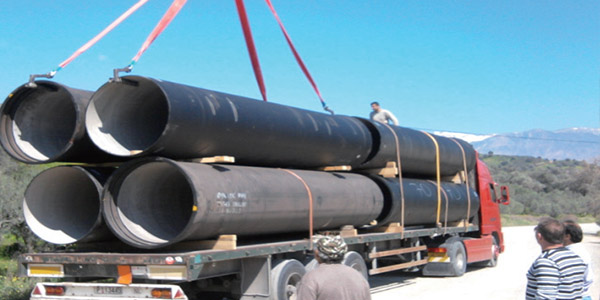
✅ Final Recommendation
For choosing a reliable Chinese DI pipe supplier: Verify ISO 2531 certification and SABS compliance, confirm factory manufacturing capabilities (not trading company), require third-party pre-shipment inspection, check reference projects in similar markets, and evaluate communication responsiveness.
Supplier verification checklist:
✅ Verify ISO 2531 certificate with issuing body (not just accept copies)
✅ Confirm SABS certificate number on SABS website (for government projects)
✅ Conduct factory audit (on-site, third-party, or video) to verify manufacturing capabilities
✅ Require third-party pre-shipment inspection (SGS/BV/TÜV) before loading
✅ Avoid suppliers with prices significantly below market average
Frequently Asked Questions
How do I verify a Chinese DI pipe supplier's ISO 2531 certification?
Request a copy of the supplier's ISO 2531 certificate and verify it with the issuing certification body (not just accept the copy). Check that the certificate is current (not expired) and covers the specific diameter range and pressure classes you require. Common issuing bodies include DNV, TÜV, SGS, and China Quality Certification Centre (CQC). Contact the issuing body directly to confirm certificate validity.
What is SABS certification and is it required for South African projects?
SABS (South African Bureau of Standards) certification is mandatory for government-funded water infrastructure projects in South Africa. It verifies that the pipe meets SANS 14394 (substantially equivalent to ISO 2531) requirements. Request the supplier's SABS certificate number and verify it on the SABS website (www.sabs.co.za). Note that SABS certification is product-specific — verify that the certificate covers DI pipe, not just general foundry products.
What does third-party pre-shipment inspection cover?
Third-party pre-shipment inspection (by SGS, Bureau Veritas, TÜV, or China Inspection & Testing) verifies: (1) dimensional compliance (OD, wall thickness, length, joint dimensions) against ISO 2531 tolerances, (2) coating thickness (zinc ≥130g/m², bitumen ≥70μm, or epoxy ≥250μm), (3) cement mortar lining thickness per ISO 4179, (4) hydrostatic test results, and (5) packing adequacy. Inspection costs $300-$800 per inspection but can prevent $10,000-$100,000+ in replacement costs and project delays.
How do I avoid fraudulent DI pipe suppliers in China?
Avoid fraudulent suppliers by: (1) verifying ISO 2531 and SABS certificates with issuing bodies, (2) conducting factory audit (on-site, third-party, or video) to confirm manufacturing capabilities, (3) requiring third-party pre-shipment inspection, (4) checking reference projects in similar markets, (5) avoiding prices significantly below market average (20-30% discount indicates quality issues), and (6) evaluating communication responsiveness and documentation quality during quotation phase.
📞 Contact Us for Supplier Verification Support
Tiegu — Professional Casting Export Partner
📱 WhatsApp / WeChat: +86 152 5613 5588
📧 Email: zbw@tiegu.net
🌐 Website: www.ductileironpipe2600.com
💬 Inquiry Form: Submit Your Requirements
Response Time: We typically respond within 24 hours with technical specifications, pricing, and delivery timelines for your project.
Related reading:
Common Problems in Ductile Iron Pipe Projects & How to Avoid Them
Common Problems in Ductile Iron Pipe Projects & How to Avoid Them
Summary: Key Takeaways
Verify ISO 2531 certification with issuing body and confirm SABS compliance for government projects (verify on SABS website).
Confirm factory manufacturing capabilities (centrifugal casting, diameter range, annual capacity, testing equipment) through on-site, third-party, or video audit.
Evaluate communication responsiveness, technical understanding, and documentation quality during quotation phase as indicators of project execution quality.
Check reference projects in South Africa or similar markets (Nigeria, Kenya, Middle East) and verify project scale experience.
Always require third-party pre-shipment inspection (SGS/BV/TÜV) — costs $300-$800 but prevents $10,000-$100,000+ in replacement costs.
Avoid red flags: prices significantly below market average, refusal to allow inspection, incomplete or falsified documentation.
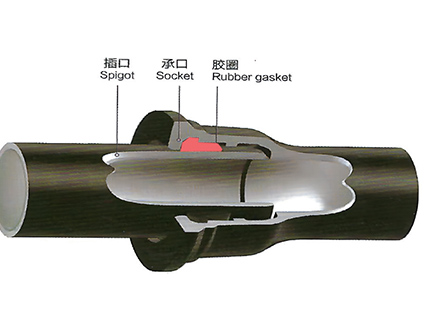 GT-type Joint Ductile Iron Pipe
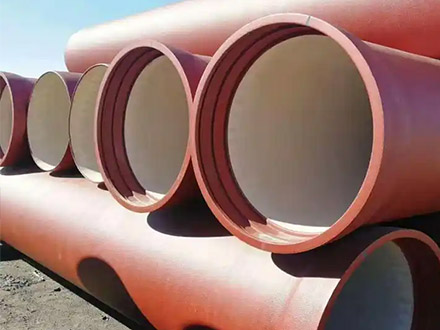
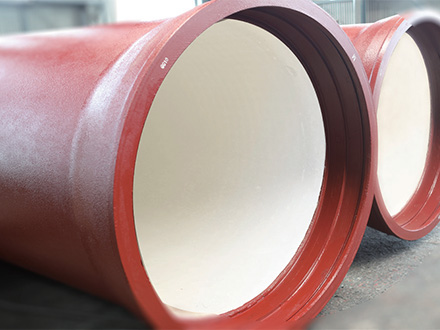 Sewage Pipe (Ductile Iron Sewage Pipe)
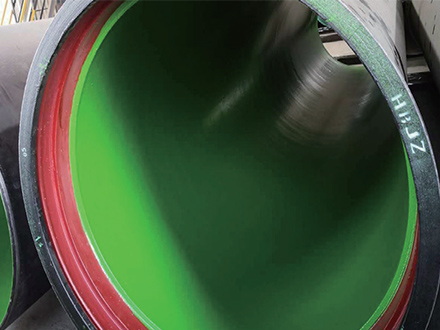 Special Coating Pipe (Ductile Iron Pipe with Special Coatings)