

Total Cost of Ownership: Why DI Pipe Saves Money Over 50 Years
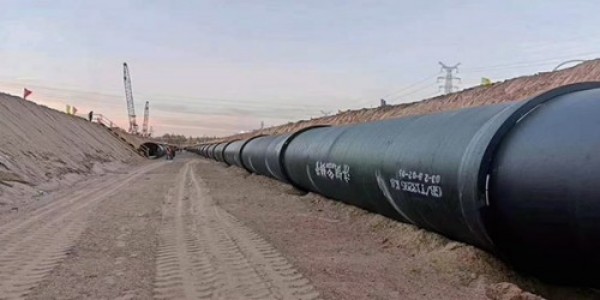
For a complete overview of South Africa water pipeline projects including material selection, standards, procurement, and logistics, see our South Africa Water Pipeline Complete Guide 2026 →
What Is Total Cost of Ownership (TCO) for Pipeline Projects?
Total Cost of Ownership (TCO) evaluates the complete cost of a pipeline over its entire service life — not just the initial purchase price. TCO includes five cost components:
Purchase cost: Pipe, fittings, gaskets, coating, and lining — the initial material cost.
Installation cost: Trenching, bedding, joint assembly, backfilling, and restoration — the cost to install pipe in the ground.
Maintenance cost: Leak repairs, joint resealing, coating repair, and valve replacement — the cost to maintain pipeline integrity.
Replacement cost: Complete pipe replacement when service life expires — the cost to remove old pipe and install new pipe.
Failure cost: Water loss, property damage, traffic disruption, and emergency repair — the cost of unexpected failures.
For municipal water infrastructure, TCO is typically evaluated over a 50-year analysis period. This is the standard design life for water mains in most South African municipalities and aligns with infrastructure planning horizons.
How Does DI Pipe Compare to HDPE and PVC on TCO?
Let's compare DI pipe, HDPE pipe, and PVC pipe on each TCO component for a typical DN400 municipal water main in South Africa. All costs are estimated per linear meter over a 50-year analysis period.
1. Purchase Cost
| Material | Purchase Cost (per lm) | Notes |
|---|---|---|
| DI Pipe (K9) | $65-80 | ISO 2531, PN16, cement mortar lining, zinc coating |
| HDPE Pipe (PE100) | $55-70 | SDR 11, PN16, black PE100 material |
| PVC Pipe (PVC-U) | $50-65 | PN16, SDR 17, uPVC material |
Analysis: DI pipe is 10-20% more expensive than HDPE and 15-25% more expensive than PVC on initial purchase cost. This is the only area where DI pipe has a cost disadvantage.
2. Installation Cost
| Material | Installation Cost (per lm) | Notes |
|---|---|---|
| DI Pipe (K9) | $45-55 | Standard trenching, push-on joint assembly, thrust blocks required at bends |
| HDPE Pipe (PE100) | $40-50 | Standard trenching, butt fusion joint (requires trained operator), no thrust blocks needed |
| PVC Pipe (PVC-U) | $35-45 | Standard trenching, push-on joint assembly, thrust blocks required at bends |
Analysis: Installation costs are similar across all three materials. HDPE has a slight advantage due to no thrust block requirement (flexibility absorbs thrust forces), but this is offset by the need for trained butt fusion operators and specialized fusion equipment.
3. Maintenance Cost (50 Years)
| Material | Maintenance Cost (per lm) | Notes |
|---|---|---|
| DI Pipe (K9) | $15-25 | Near-zero maintenance with correct coating specification (zinc + bitumen or epoxy + PE encasement) |
| HDPE Pipe (PE100) | $20-35 | Low maintenance, but requires monitoring for creep deformation and joint integrity over time |
| PVC Pipe (PVC-U) | $40-60 | Higher maintenance due to brittleness, UV degradation, and joint failure in older installations |
Analysis: DI pipe has the lowest maintenance cost when specified with correct external protection (zinc + bitumen for moderate soils, epoxy + PE encasement for aggressive soils). PVC has significantly higher maintenance cost due to brittleness and joint failure issues, particularly in older installations (pre-2000).
4. Replacement Cost (50 Years)
| Material | Replacement Cost (per lm) | Notes |
|---|---|---|
| DI Pipe (K9) | $0 | 50-100+ year service life — no replacement required within 50-year analysis period |
| HDPE Pipe (PE100) | $55-70 | 30-50 year service life — partial or complete replacement may be required within 50-year period |
| PVC Pipe (PVC-U) | $50-65 | 20-30 year service life — complete replacement required within 50-year analysis period |
Analysis: This is where DI pipe delivers its largest TCO advantage. With 50-100+ year service life, DI pipe requires zero replacement cost within the 50-year analysis period. HDPE may require partial replacement (50% probability within 50 years), and PVC requires complete replacement (100% probability within 50 years). Replacement cost includes both new pipe purchase and re-installation cost.
5. Failure Cost (50 Years)
| Material | Failure Cost (per lm) | Notes |
|---|---|---|
| DI Pipe (K9) | $5-10 | Very low failure rate (0.1-0.3 failures/km/year) with correct specification and installation |
| HDPE Pipe (PE100) | $10-20 | Low failure rate (0.2-0.5 failures/km/year), but higher risk of joint failure and creep deformation |
| PVC Pipe (PVC-U) | $25-40 | Higher failure rate (0.5-1.0 failures/km/year) due to brittleness, UV degradation, and joint failure |
Analysis: Failure cost includes water loss (non-revenue water), property damage, traffic disruption, and emergency repair cost. DI pipe has the lowest failure rate due to high tensile strength, impact resistance, and proven joint integrity. PVC has significantly higher failure cost due to brittleness and joint failure issues.
What Is the Total 50-Year TCO for Each Material?
Adding all five TCO components together gives the complete 50-year cost per linear meter:
| TCO Component | DI Pipe (K9) | HDPE (PE100) | PVC (PVC-U) |
|---|---|---|---|
| Purchase Cost | $65-80 | $55-70 | $50-65 |
| Installation Cost | $45-55 | $40-50 | $35-45 |
| Maintenance Cost | $15-25 | $20-35 | $40-60 |
| Replacement Cost | $0 | $55-70 | $50-65 |
| Failure Cost | $5-10 | $10-20 | $25-40 |
| TOTAL TCO (50 Years) | $130-175 | $180-245 | $200-275 |
Key Finding: DI pipe delivers 30-50% lower total cost of ownership over 50 years compared to HDPE and PVC. While DI pipe has 10-20% higher initial purchase cost, this is more than offset by zero replacement cost, lower maintenance cost, and lower failure cost.

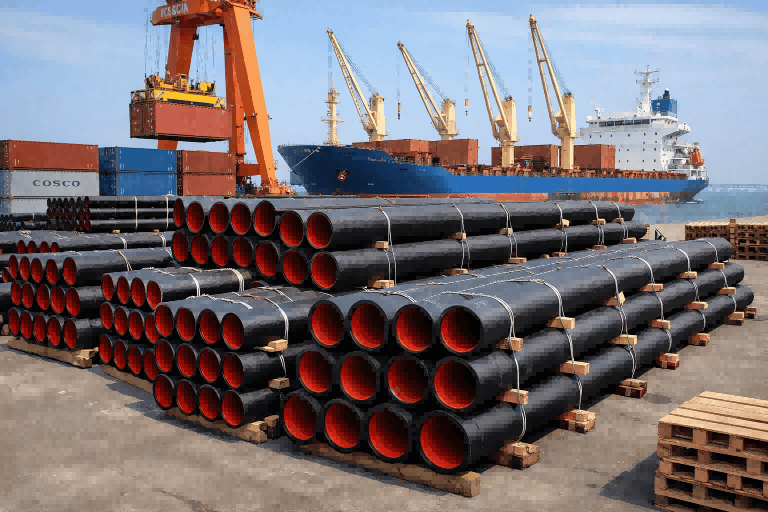
Why Does DI Pipe Deliver Lower TCO?
Three factors drive DI pipe's TCO advantage over alternative materials:
1. Service Life Advantage
DI pipe's 50-100+ year service life eliminates replacement cost within the 50-year analysis period. Real-world evidence supports this: DI pipe installations from the 1950s-1960s are still in service worldwide with no signs of degradation. In contrast, PVC pipe installed in the 1980s-1990s is now reaching end-of-life and requires complete replacement in many South African municipalities.
2. Maintenance Cost Advantage
With correct external protection (zinc + bitumen for moderate soils, epoxy + PE encasement for aggressive soils), DI pipe requires near-zero maintenance. The zinc coating provides sacrificial cathodic protection, while the bitumen paint provides a physical barrier against corrosive soil elements. For aggressive soils, epoxy coating + polyethylene encasement per ISO 12234 extends service life beyond 100 years.
3. Failure Cost Advantage
DI pipe's high tensile strength (420-550 MPa), impact resistance, and proven joint integrity result in the lowest failure rate of any pipeline material. This translates to lower non-revenue water (NRW), fewer emergency repairs, and reduced property damage liability — particularly important for South African municipalities facing water scarcity and infrastructure budget constraints.
When Is HDPE or PVC the Better Choice?
DI pipe is not the right choice for every application. Here's when HDPE or PVC may be more cost-effective:
HDPE pipe is better for: Trenchless installation (HDD), highly corrosive soil (inherent chemical resistance), low-pressure applications (PN6-PN10), and small-diameter service connections (DN20-DN100).
PVC pipe is better for: Low-pressure distribution networks (PN6-PN10), small-diameter applications (DN20-DN100), and budget-constrained projects where 20-30 year service life is acceptable.
For the majority of South African municipal water projects (DN200-DN800 at PN16-PN40), DI pipe delivers the lowest 50-year TCO and should be the default material choice.
Cost-Effective Procurement for South African Projects
Tiegu helps South African EPC contractors and municipal engineers optimize total cost of ownership through competitive DI pipe sourcing, correct specification verification, and coordinated delivery. We verify ISO 2531 compliance, confirm coating specifications for local soil conditions, and arrange third-party inspection before every shipment.
This means project teams receive pipe that delivers 50-100 year service life with near-zero maintenance — maximizing infrastructure investment and minimizing lifecycle cost.
You can share your project specifications or pipeline requirements for TCO analysis and competitive quotation.
📋 Get Free TCO Analysis & Quotation
Share your pipeline specifications — receive TCO analysis and competitive pricing within 24 hours
✅ Final Recommendation
For South African water pipeline projects: Ductile iron pipe delivers 30-50% lower total cost of ownership over 50 years compared to HDPE and PVC. While DI pipe has 10-20% higher initial purchase cost, this is more than offset by zero replacement cost, lower maintenance cost, and lower failure cost.
TCO evaluation checklist:
✅ Evaluate pipe material on 50-year TCO, not just initial purchase cost (purchase cost = 25-35% of TCO)
✅ Specify DI pipe (K9 class, ISO 2531) for DN200-DN800 at PN16-PN40 — the default choice for municipal water mains
✅ Verify external coating specification for local soil conditions (zinc + bitumen for moderate, epoxy + PE encasement for aggressive)
✅ Consider HDPE only for trenchless installation, highly corrosive soil, or low-pressure applications (PN6-PN10)
✅ Avoid PVC for new municipal water mains — 20-30 year service life requires complete replacement within 50-year analysis period
Frequently Asked Questions
What is the total cost of ownership for ductile iron pipe over 50 years?
For a typical DN400 municipal water main, DI pipe (K9 class) total cost of ownership over 50 years is $130-175 per linear meter. This includes purchase cost ($65-80/lm), installation cost ($45-55/lm), maintenance cost ($15-25/lm), replacement cost ($0 — no replacement required within 50 years), and failure cost ($5-10/lm). This is 30-50% lower than HDPE ($180-245/lm) and PVC ($200-275/lm).
Why is DI pipe more cost-effective than HDPE and PVC over 50 years?
DI pipe delivers lower TCO through three factors: (1) Service life advantage — 50-100+ year service life eliminates replacement cost within 50-year analysis period, (2) Maintenance cost advantage — near-zero maintenance with correct external protection (zinc + bitumen or epoxy + PE encasement), and (3) Failure cost advantage — lowest failure rate (0.1-0.3 failures/km/year) due to high tensile strength, impact resistance, and proven joint integrity.
When should I choose HDPE or PVC instead of DI pipe?
HDPE pipe is better for trenchless installation (HDD), highly corrosive soil (inherent chemical resistance), low-pressure applications (PN6-PN10), and small-diameter service connections (DN20-DN100). PVC pipe is better for low-pressure distribution networks (PN6-PN10), small-diameter applications (DN20-DN100), and budget-constrained projects where 20-30 year service life is acceptable. For DN200-DN800 at PN16-PN40, DI pipe delivers the lowest 50-year TCO.
How do I calculate TCO for my specific pipeline project?
Calculate TCO by adding five cost components over your analysis period (typically 50 years): (1) Purchase cost — pipe, fittings, gaskets, coating, lining, (2) Installation cost — trenching, bedding, joint assembly, backfilling, restoration, (3) Maintenance cost — leak repairs, joint resealing, coating repair, (4) Replacement cost — complete pipe replacement when service life expires, and (5) Failure cost — water loss, property damage, traffic disruption, emergency repair. Compare TCO for each material option to identify the most cost-effective choice.
📞 Contact Us for TCO Analysis & Procurement Support
Tiegu — Professional Casting Export Partner
📱 WhatsApp / WeChat: +86 152 5613 5588
📧 Email: zbw@tiegu.net
🌐 Website: www.ductileironpipe2600.com
💬 Inquiry Form: Submit Your Requirements
Response Time: We typically respond within 24 hours with technical specifications, pricing, and delivery timelines for your project.
Related reading: DI pipe vs HDPE comparison → | K9 pipe advantages →
Summary: Key Takeaways
DI pipe delivers 30-50% lower total cost of ownership over 50 years vs HDPE and PVC ($130-175/lm vs $180-245/lm vs $200-275/lm for DN400).
Purchase cost represents only 25-35% of total 50-year TCO — evaluating pipe based on purchase price alone misses 65-75% of total cost.
DI pipe's 50-100+ year service life eliminates replacement cost within 50-year analysis period, delivering the largest TCO advantage.
With correct external protection (zinc + bitumen or epoxy + PE encasement), DI pipe requires near-zero maintenance cost ($15-25/lm over 50 years).
DI pipe has the lowest failure rate (0.1-0.3 failures/km/year) due to high tensile strength, impact resistance, and proven joint integrity.
HDPE is better for trenchless installation, highly corrosive soil, and low-pressure applications; PVC is better for small-diameter, low-pressure distribution networks.
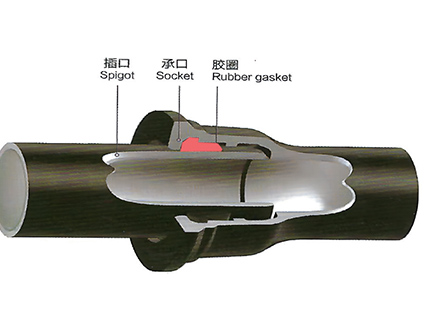 GT-type Joint Ductile Iron Pipe
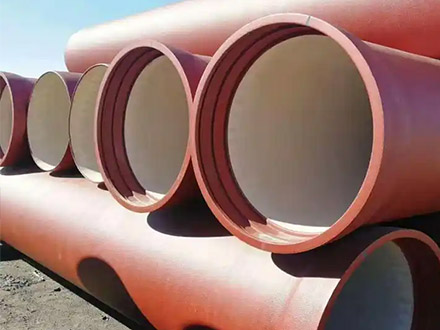
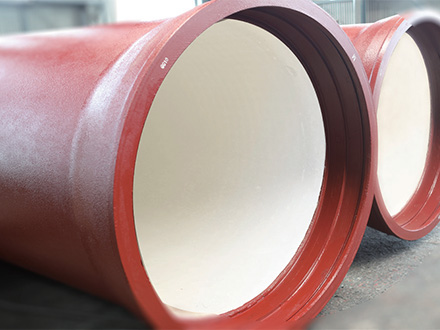 Sewage Pipe (Ductile Iron Sewage Pipe)
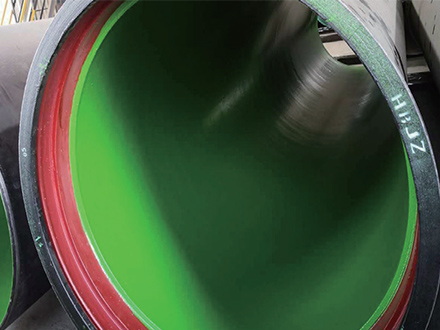 Special Coating Pipe (Ductile Iron Pipe with Special Coatings)