

Indonesia Accelerates Six Major Dam Projects to Strengthen Irrigation and Flood Control
Indonesia Accelerates Construction of Six Major Dams
Strengthening Irrigation, Flood Control, and National Water Security
Indonesia’s Ministry of Public Works and Public Housing (PUPR) is accelerating the construction of six strategic dam projects, with completion or near-completion targeted between late 2024 and early 2025. These dams are distributed across multiple provinces, covering Sumatra, Java, Bali, Kalimantan, and West Nusa Tenggara, and are designed to enhance irrigation capacity, reduce flood risks, and support integrated water resource management.
As climate variability intensifies and extreme rainfall events become more frequent, water infrastructure has increasingly been positioned as a cornerstone of Indonesia’s national development strategy. The accelerated delivery of these six dams reflects the government’s broader commitment to strengthening water security, agricultural resilience, and disaster mitigation capacity.

Core Objectives of the Dam Projects
From a functional perspective, the six dams focus on three primary objectives.
First, they aim to secure agricultural irrigation. Once operational, the dams will provide stable water supplies for tens of thousands of hectares of farmland, reducing dependence on seasonal rainfall and improving crop yield stability.
Second, they significantly enhance flood control and water regulation. Through peak flow reduction and runoff management, the dams are expected to substantially lower downstream flood risks during the rainy season. Publicly available data indicate that several projects can reduce flood intensity by more than 80%, a critical benefit in flood-prone regions.
Third, some dams incorporate micro-hydropower facilities. While individual generation capacity is modest, these systems provide reliable supplementary electricity for surrounding areas, particularly in remote regions, improving the overall efficiency of water resource utilization.
Overview of the Six Dam Projects
According to PwC Indonesia – Infrastructure News (January 2025), based on reports from Investor Daily, the Indonesian government is prioritizing the following dam projects:
Rukoh Dam (Pidie Regency, Aceh Province)
Rukoh Dam has a reservoir capacity of approximately 128 million cubic meters and is designed to irrigate around 11,950 hectares of agricultural land. It provides a raw water supply of 0.90 m³ per second and has a flood risk reduction potential of approximately 89.62%. The project also includes plans for hydropower facilities and was constructed between 2018 and 2024.
Keureuto Dam (North Aceh Regency, Aceh Province)
With a reservoir capacity of about 216 million cubic meters, Keureuto Dam supports irrigation for 9,455 hectares of farmland and supplies 0.5 m³ per second of raw water. It is equipped with hydropower generation capacity of approximately 6.34 MW and offers flood reduction potential of around 30%. Construction began in 2016 and the project is currently in its final completion phase.
Jlantah Dam (Karanganyar Regency, Central Java)
Jlantah Dam has a reservoir capacity of approximately 10.97 million cubic meters and irrigates about 1,494 hectares of farmland. It provides 0.1 m³ per second of raw water supply and includes hydropower capacity of around 6 MW. Construction took place from 2019 to 2024, and the project is nearing completion.
Sidan Dam (Bali Province)
Sidan Dam features a reservoir capacity of approximately 5.76 million cubic meters and supplies 1.75 m³ per second of raw water. It is equipped with hydropower facilities of about 0.65 MW. The project is expected to be completed in 2024 and is entering the commissioning and inspection phase, playing a key role in addressing Bali’s water resource constraints.
Marangkayu Dam (Kutai Kartanegara Regency, East Kalimantan)
Marangkayu Dam has a reservoir capacity of approximately 12.3 million cubic meters, irrigates around 1,500 hectares of farmland, and provides 0.45 m³ per second of raw water. It includes a 135 kW micro-hydropower system. The project was constructed between 2023 and 2024, with an investment value of approximately IDR 19.126 billion.
Meninting Dam (West Nusa Tenggara Province)
Meninting Dam has a reservoir capacity of about 12 million cubic meters and supports irrigation for approximately 1,559 hectares of farmland. It provides 0.15 m³ per second of raw water and includes hydropower generation capacity of around 0.8 MW. Construction occurred between 2019 and 2024, with a total budget of approximately IDR 1.4 trillion.
Investment Scale and Water Security Context
The total investment value of these six dam projects is estimated at approximately IDR 8.7 trillion. Indonesian authorities have repeatedly emphasized that water infrastructure is not merely a construction initiative, but a strategic foundation for food self-sufficiency, water security, and disaster risk reduction.
According to statements from the Minister of Public Works and Public Housing, these dams are expected to support agricultural productivity, rural development, and regional economic growth, while also serving as long-term infrastructure assets for national resilience.

Conclusion
As these six dams reach completion and begin operation, their combined impact on irrigation efficiency, flood mitigation, and raw water supply will gradually become evident. In an era of increasing climate uncertainty, Indonesia’s sustained investment in water infrastructure highlights a long-term strategy focused on resilience, sustainability, and integrated resource management.
Sources
PwC Indonesia – Infrastructure News (January 2025)
Investor Daily Indonesia – Reports on Ministry of Public Works and Public Housing
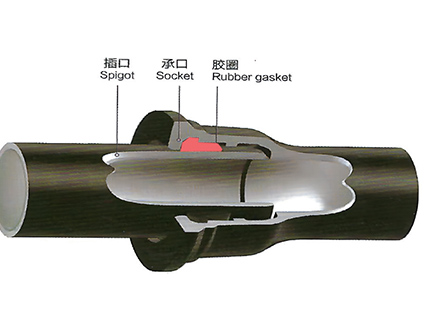 GT-type Joint Ductile Iron Pipe
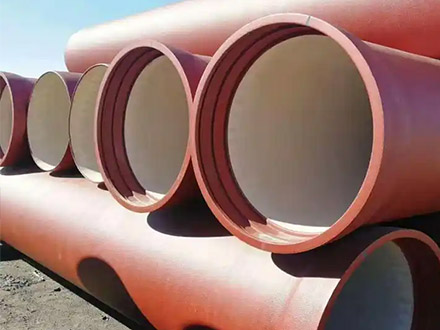
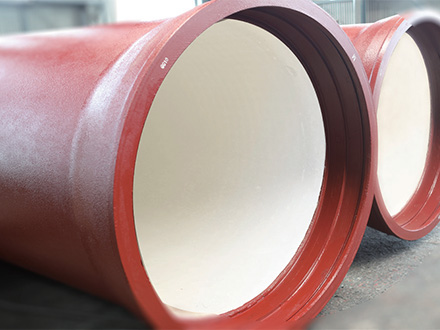 Sewage Pipe (Ductile Iron Sewage Pipe)
 Special Coating Pipe (Ductile Iron Pipe with Special Coatings)