

When to Use Polyethylene Encasement for Ductile Iron Pipe: Complete Decision Guide
When to Use Polyethylene Encasement for Ductile Iron Pipe: Complete Decision Guide
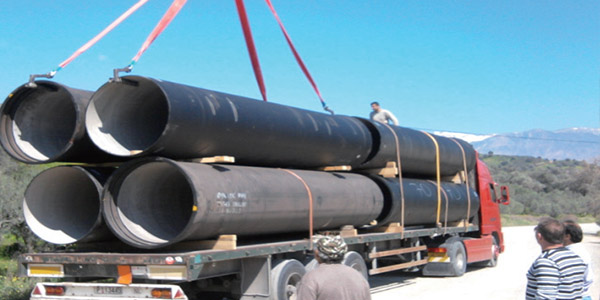
Executive Summary: The Decision Framework
Polyethylene encasement isn't always required for ductile iron pipe — but knowing when it's necessary prevents costly premature failures. The decision depends on three critical factors:
Soil corrosivity assessment — resistivity, pH, redox potential, chlorides/sulfates
Environmental conditions — water table, contamination, stray currents
Project criticality — accessibility for repair, consequence of failure, design life requirements
Why Polyethylene Encasement Works
Polyethylene encasement creates a continuous physical barrier between ductile iron pipe and corrosive soil elements. Unlike coatings that bond to the pipe surface, PE wrap functions through multiple protection mechanisms:
Physical Barrier Protection
The 8-mil (0.2mm) or 12-mil (0.3mm) polyethylene film prevents direct contact between:
Moisture and the pipe surface
Dissolved oxygen and the iron matrix
Chloride/sulfate ions and the metal
Microorganisms and the pipe exterior
Corrosion Cell Prevention
By isolating the pipe from soil electrolytes, polyethylene encasement prevents formation of corrosion cells — the electrochemical reactions that cause iron to oxidize and deteriorate over time.
Damage Tolerance
Unlike fusion-bonded epoxy or metallic coatings, polyethylene wrap tolerates minor installation damage without compromising overall protection. Small tears or punctures don't create concentrated corrosion points because moisture can't migrate laterally under the loose-fitting wrap.
Soil Testing Thresholds: When PE Wrap Is Mandatory
International standards provide clear numerical thresholds for determining when polyethylene encasement is required. These aren't guidelines — they're engineering requirements based on decades of field performance data.
Soil Resistivity (Most Critical Parameter)
| Soil Resistivity (ohm-cm) | Corrosivity Rating | Protection Requirement |
|---|---|---|
| > 5,000 | Low | Standard ductile iron acceptable |
| 2,000 - 5,000 | Moderate | PE wrap recommended |
| < 2,000 | High | PE wrap mandatory |
| < 1,000 | Very High | PE wrap + consider cathodic protection |
pH Level (Acidity/Alkalinity)
| pH Range | Condition | Protection Requirement |
|---|---|---|
| 6.0 - 10.0 | Neutral | Standard ductile iron acceptable |
| 5.0 - 6.0 or 10.0 - 11.0 | Mildly Aggressive | PE wrap recommended |
| < 5.0 or > 11.0 | Highly Aggressive | PE wrap mandatory |
Redox Potential (Oxidation-Reduction)
Redox potential indicates whether soil conditions favor oxidation (corrosion) or reduction (protection):
> +400 mV: Oxidizing conditions — standard pipe acceptable
+100 to +400 mV: Transitional — PE wrap recommended
< +100 mV: Reducing conditions — PE wrap mandatory
Reducing conditions (low redox potential) indicate anaerobic environments where sulfate-reducing bacteria thrive, accelerating microbiologically influenced corrosion (MIC).
Chloride and Sulfate Content
| Parameter | Safe Level | Aggressive Level | Action Required |
|---|---|---|---|
| Chlorides (ppm) | < 500 | > 1,000 | PE wrap mandatory |
| Sulfates (ppm) | < 500 | > 1,000 | PE wrap mandatory |
| Total Dissolved Solids | < 1,000 ppm | > 2,000 ppm | PE wrap mandatory |

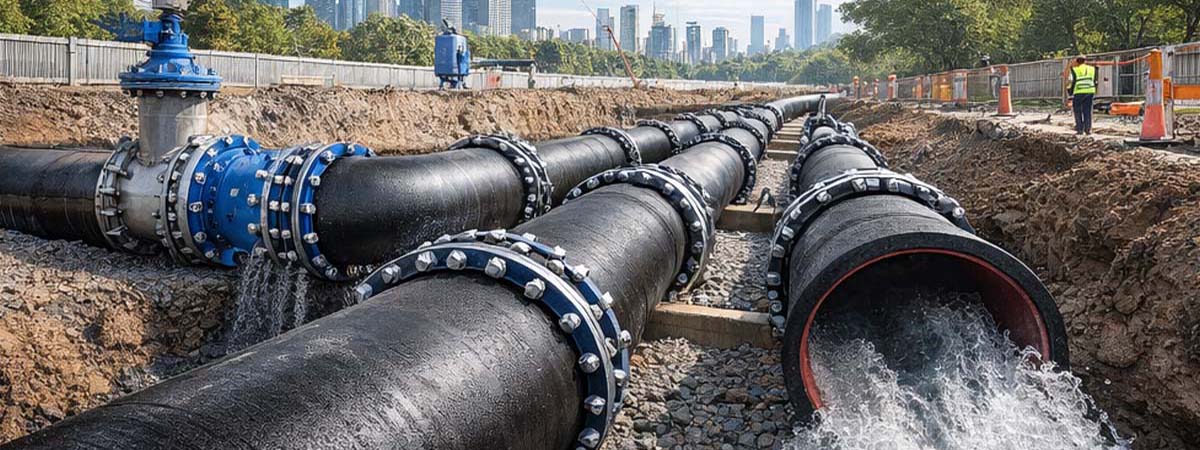
Environmental Conditions Requiring PE Wrap
Beyond soil chemistry, specific environmental conditions mandate polyethylene encasement regardless of test results:
High Water Table
When the water table is within 1 meter of the pipe invert (bottom), continuous moisture exposure accelerates corrosion. PE wrap is mandatory for:
Permanent submersion or seasonal flooding
Wetlands, marshes, or reclaimed land
Areas with poor drainage or water accumulation
Contaminated Soils
Industrial or agricultural contamination creates aggressive chemical environments:
Acid mine drainage: pH often < 4.0, extreme corrosion risk
Fertilizer contamination: High nitrate/ammonium content
Industrial waste: Heavy metals, acids, solvents
Road salt runoff: Elevated chloride concentrations
Stray Current Interference
DC electrical systems create stray currents that accelerate corrosion at discharge points:
Cathodic protection systems on nearby pipelines
Railway transit systems (light rail, subways)
Welding operations on structures
DC power transmission lines
When stray currents are detected, PE wrap is mandatory, often supplemented with cathodic protection.
Microbiologically Influenced Corrosion (MIC) Risk
Sulfate-reducing bacteria (SRB) thrive in anaerobic, organic-rich soils. Indicators include:
Black, muddy soil with rotten egg smell (hydrogen sulfide)
Marsh or wetland environments
Organic-rich soils (peat, muck)
Previous MIC failures in area
International Standards Compliance
Multiple international standards govern polyethylene encasement requirements. Understanding which applies to your project ensures compliance and performance.
ISO 12234: Ductile Iron Pipes — Polyethylene Encasement
The international standard specifies:
Material requirements (density, thickness, tensile strength)
Installation procedures (wrap method, overlap, securing)
Soil assessment criteria (resistivity, pH, redox)
Quality control testing (holiday detection, thickness)
Key requirement: ISO 12234 mandates PE wrap when soil resistivity is < 2,000 ohm-cm or pH is outside 6-10 range.
ANSI/AWWA C105: Polyethylene Encasement for Ductile-Iron Pipe
The North American standard provides:
10-point soil evaluation system
Scoring methodology for corrosivity assessment
Protection recommendations based on total score
Installation specifications for field wrapping
Scoring system: Points assigned for resistivity, pH, redox, sulfides, chlorides, sulfates, moisture, texture, drainage, and stray current. Total score > 15 indicates need for PE wrap.
EN 545: Ductile Iron Pipes, Fittings and Accessories
The European standard requires:
PE wrap for aggressive soils (defined by national annexes)
Minimum 8-mil thickness for standard applications
12-mil thickness for severe conditions
UV-stabilized material for outdoor storage
📋 Get Free Technical Quotation
Share your soil test results and project specifications — receive PE wrap requirements and pricing within 24 hours
Cost-Benefit Analysis: Is PE Wrap Worth It?
Let's examine the economics objectively:
Upfront Cost Impact
| Cost Component | Without PE Wrap | With PE Wrap | Increase |
|---|---|---|---|
| Material Cost (per meter) | $100 (baseline) | $120-130 | +20-30% |
| Installation Labor | Standard | +5-10% | Minimal |
| Total Project Cost | 100% | 105-115% | +5-15% |
Lifecycle Cost Comparison
| Scenario | Service Life | Maintenance Cost (50 yrs) | Total Lifecycle Cost |
|---|---|---|---|
| Unprotected in aggressive soil | 15-25 years | High (repairs + replacement) | 300-400% of baseline |
| PE wrapped in aggressive soil | 100+ years | Minimal | 100-120% of baseline |
| Unprotected in non-aggressive soil | 100+ years | Minimal | 100% (baseline) |
When PE Wrap May NOT Be Necessary
Honesty matters — there are legitimate scenarios where polyethylene encasement is optional:
Non-Aggressive Soils
If ALL of the following conditions are met, PE wrap can be omitted:
✅ Soil resistivity > 5,000 ohm-cm
✅ pH between 6.0-10.0
✅ Redox potential > +400 mV
✅ Chlorides < 500 ppm, Sulfates < 500 ppm
✅ Water table > 2m below pipe invert
✅ No contamination or stray currents
✅ Well-drained, granular soil texture
Short-Term or Temporary Installations
For pipelines with < 20 year design life (temporary construction dewatering, mining operations), the cost-benefit may not justify PE wrap.
Alternative Protection Systems
If using enhanced protection that exceeds PE wrap performance, it may be redundant:
Fusion-bonded epoxy (FBE) coating — superior barrier protection
Zinc coating + PE wrap dual protection — overkill for most applications
Cathodic protection with monitoring — active corrosion control
Tiegu Supply Chain Perspective
When sourcing ductile iron pipe from China, polyethylene encasement quality varies significantly between manufacturers. Tiegu integrates production capacity across qualified Chinese foundries, delivering compliant and high-quality casting products to buyers worldwide. For PE-wrapped pipe, this means we verify that manufacturers use virgin polyethylene resin (not recycled material), maintain proper thickness (8-mil or 12-mil per specification), and follow ISO 12234 installation procedures for factory-applied wrapping.
Installation Best Practices
Even the best polyethylene encasement fails if installed incorrectly. Key requirements:
Factory-Applied vs. Field-Applied
| Method | Advantages | Limitations | Best For |
|---|---|---|---|
| Factory-Applied | Controlled conditions, consistent quality, faster installation | Damage during transport/handling | Standard projects, good access |
| Field-Applied | Inspect pipe before wrapping, repair damage first | Weather dependent, labor intensive | Long lead times, remote sites |
Critical Installation Steps
Inspect pipe surface — remove sharp protrusions, repair coating damage
Center pipe in wrap — equal overlap on both sides
Minimum 100mm overlap — prevent soil intrusion at seam
Secure with adhesive tape — every 300-500mm along length
Protect during handling — avoid dragging, use nylon slings
Inspect before backfill — repair any tears or punctures
Common Mistakes to Avoid
Summary: Key Takeaways
Polyethylene encasement is mandatory when soil resistivity < 2,000 ohm-cm, pH outside 6-10, or redox < +100 mV
Environmental conditions matter — high water table, contamination, stray currents all require PE wrap
20-30% upfront cost premium prevents 300-400% higher lifecycle costs through premature failure
ISO 12234 and ANSI/AWWA C105 provide clear numerical thresholds — follow them
Installation quality is critical — even perfect material fails if installed incorrectly
When in doubt, use PE wrap — the cost of over-protection is far less than under-protection
📞 Contact Us for Polyethylene Encasement Solutions
Tiegu — Professional Casting Export Partner
📱 WhatsApp / WeChat: +86 152 5613 5588
📧 Email: zbw@tiegu.net
🌐 Website: www.ductileironpipe2600.com
💬 Inquiry Form: Submit Your Requirements
Response Time: We typically respond within 24 hours with soil assessment guidance, PE wrap specifications, and pricing for your ductile iron pipe project.
Summary: Key Takeaways
Soil testing is non-negotiable — resistivity, pH, redox potential determine PE wrap requirements
PE wrap mandatory thresholds: < 2,000 ohm-cm, pH < 6 or > 10, redox < +100 mV
Lifecycle ROI: 10:1 to 15:1 return in aggressive soils
Standards compliance: ISO 12234, ANSI/AWWA C105, EN 545 provide clear guidance
Installation quality matters: Factory-applied preferred, field-applied requires strict QC
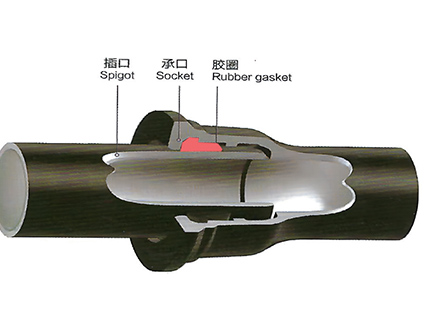 GT-type Joint Ductile Iron Pipe
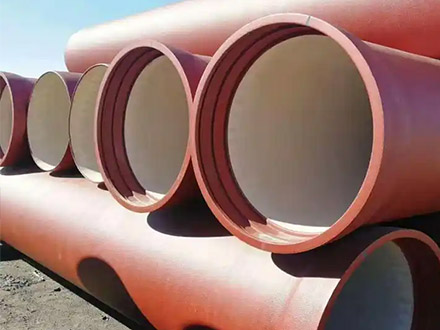
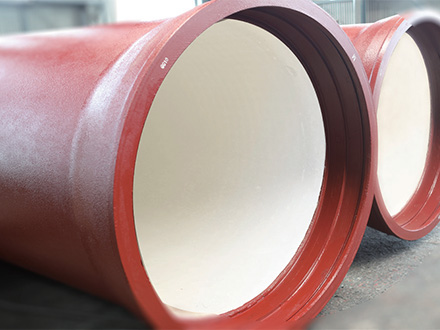 Sewage Pipe (Ductile Iron Sewage Pipe)
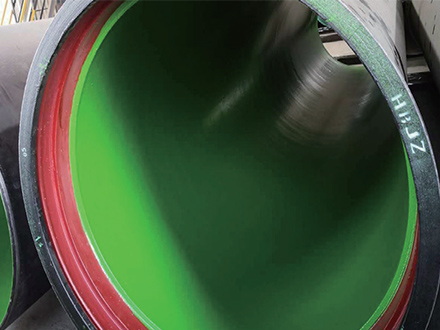 Special Coating Pipe (Ductile Iron Pipe with Special Coatings)