

How to Protect Ductile Iron Pipe in High Corrosivity Soil? Complete Corrosion Protection Guide 2026
Table of Contents
Understanding High Corrosivity Soil Conditions
Soil Corrosivity Assessment and Testing
Corrosion Mechanisms in Aggressive Soils
Enhanced Coating Systems for High Corrosivity
Epoxy Coating: Specification and Performance
PE Encasement: Enhanced Protection
Cathodic Protection: When and How
Combined Protection Systems
Special Corrosion Types and Mitigation
Installation and Quality Control
Cost Analysis: Enhanced vs Standard Protection
Case Studies: Real-World Applications
Selection Decision Matrix
Common Mistakes to Avoid
Conclusion and Recommendations
High corrosivity soil environments present significant challenges for buried ductile iron pipe infrastructure. Standard zinc + bitumen coating, sufficient for normal soil conditions, may be consumed in 10-20 years in aggressive environments, reducing pipe service life from 50-100 years to unacceptable levels.
Engineers and procurement professionals must understand corrosion mechanisms, soil testing requirements, and enhanced protection systems to specify appropriate corrosion protection for ductile iron pipe in aggressive soil conditions.
This comprehensive guide covers soil assessment, corrosion mechanisms, enhanced coating systems, cathodic protection, combined protection strategies, and selection criteria for high corrosivity soil environments.
Understanding High Corrosivity Soil Conditions
What Defines High Corrosivity Soil?
High corrosivity soil is characterized by multiple aggressive parameters that accelerate corrosion of buried metals:
| Parameter | Low Corrosivity | High Corrosivity | Impact on DI Pipe |
|---|---|---|---|
| Soil Resistivity | >10,000 Ω·cm | <3,000 Ω·cm | High electrical conductivity accelerates electrochemical corrosion |
| pH Level | 6.5-8.5 | <5.5 or >9.5 | Acidic/alkaline conditions dissolve zinc protection |
| Chloride Content | <50 mg/kg | >200 mg/kg | Chlorides penetrate coating, cause pitting corrosion |
| Sulfate Content | <100 mg/kg | >500 mg/kg | Sulfates react with iron, form expansive corrosion products |
| Groundwater | Deep (>3m below) | Shallow (<1m from pipe) | Continuous moisture exposure accelerates all corrosion types |
Common High Corrosivity Environments
Coastal Areas: Salt spray, high chloride content, low resistivity
Industrial Zones: Chemical contamination, acidic/alkaline soils
Landfill Areas: Leachate contamination, high sulfates, MIC risk
Peat Soils: Low pH (<5.0), high organic acids, high moisture
Marine Clays: High salt content, low resistivity, anaerobic conditions
Railway Corridors: Stray current corrosion from electrified trains
Soil Corrosivity Assessment and Testing
Required Testing Parameters
Before specifying corrosion protection, conduct comprehensive soil testing:
Soil Resistivity: Four-electrode Wenner method, minimum 3 tests per km
pH Level: Laboratory analysis of soil samples at pipe depth
Chloride Content: Chemical analysis (titration or ion chromatography)
Sulfate Content: Chemical analysis (gravimetric or spectrophotometric)
Redox Potential: Indicator of anaerobic conditions (MIC risk assessment)
Groundwater Level: Seasonal variation monitoring (minimum 6 months)
Stray Current: Voltage gradient measurements near railways/industries
For complete soil corrosivity testing procedures and interpretation guidelines, refer to our testing guide.
Corrosivity Classification System
| Class | Resistivity | pH | Chlorides | Sulfates | Protection Level |
|---|---|---|---|---|---|
| Low | >10,000 | 6.5-8.5 | <50 | <100 | Standard (Zinc+Bitumen) |
| Moderate | 3,000-10,000 | 5.5-6.5 | 50-200 | 100-500 | Enhanced (Zinc+PE) |
| High | 1,000-3,000 | <5.5 or >9.5 | 200-500 | 500-1000 | High Performance (Epoxy+PE) |
| Severe | <1,000 | Extreme | >500 | >1000 | Maximum (Epoxy+PE+CP) |
Corrosion Mechanisms in Aggressive Soils
Primary Corrosion Types
High corrosivity soil accelerates multiple corrosion mechanisms simultaneously:
Electrochemical Corrosion: Low resistivity soil acts as electrolyte, creating galvanic cells on pipe surface
Chemical Corrosion: Acids/alkalis directly attack zinc coating and iron substrate
Pitting Corrosion: Chlorides penetrate coating, create localized deep pits
Microbiologically Influenced Corrosion (MIC): Anaerobic bacteria (SRB) accelerate corrosion in waterlogged soils
Stray Current Corrosion: External electrical currents from railways, industries, DC systems
Enhanced Coating Systems for High Corrosivity
Epoxy Coating: Specification and Performance
Epoxy coating is the primary enhanced protection for high corrosivity environments:
| Parameter | Specification | Standard |
|---|---|---|
| Coating Thickness | ≥250μm (10 mils) | ISO 12234 / AWWA C116 |
| Application Method | Electrostatic spraying + heat curing | Factory-applied |
| Curing Temperature | 200-250°C | Cross-linked polymer structure |
| Adhesion Strength | ≥10 MPa | Pull-off test (ISO 4624) |
| Impact Resistance | ≥12 J (500g, 1m drop) | Drop test (ISO 6272) |
| Chemical Resistance | pH 2-13, excellent salt resistance | Immersion testing |
Epoxy Coating Advantages in High Corrosivity
Superior Chemical Resistance: Withstands pH 2-13, resistant to chlorides, sulfates, organic acids
Thick Barrier: 250μm provides 5x thicker protection than zinc coating
High Adhesion: Strong bond prevents coating disbondment in wet conditions
Impact Resistance: Survives handling, transportation, and installation damage
Long Service Life: 50+ years in most aggressive environments
PE Encasement: Enhanced Protection
PE encasement provides additional barrier protection when combined with epoxy coating:
Material: High-density polyethylene (HDPE) film
Thickness: ≥0.2mm (200μm)
Application: Spiral wrap with 50mm overlap, sealed with adhesive tape
Standard: ISO 8179-3 / AWWA C105 / ANSI A21.5
Function: Isolates pipe from soil electrolyte, reduces zinc consumption by 80-90%
For detailed PE encasement installation guidelines, refer to our installation guide.
Cathodic Protection: When and How
When to Specify Cathodic Protection
Cathodic protection (CP) is required for severe corrosion environments or critical infrastructure:
Soil resistivity <1,000 Ω·cm (severe corrosivity)
Chloride content >500 mg/kg (marine environments)
Sulfate content >1,000 mg/kg (industrial contamination)
Stray current interference detected
Critical infrastructure (no failure tolerance)
Design life >100 years required
High groundwater table with chemical contamination
CP System Types
| CP Type | Application | Advantages | Limitations |
|---|---|---|---|
| Sacrificial Anode (Zinc/Mg) | Most DI pipe applications | Simple, no external power, low maintenance | Limited driving voltage, anode replacement needed |
| Impressed Current (ICCP) | Large diameter, long pipelines | High output, adjustable, long life | Requires power source, complex, higher cost |

Sacrificial anode cathodic protection system installation showing zinc anode placement around pipe joint and electrical connection wiring
CP Design Parameters
Anode Type: Zinc (14kg/m² consumption) or Magnesium (higher driving voltage)
Anode Spacing: 1 anode per joint (6m) for severe conditions, 1 per 2 joints for moderate
Protection Potential: -850mV vs Cu/CuSO₄ reference electrode (minimum)
Current Output: 50-100mA per anode (zinc), 200-500mA (magnesium)
Design Life: 25-50 years (anode capacity calculation)
Combined Protection Systems
Layered Protection Strategy
For high corrosivity soil, combined systems provide maximum protection through multiple barriers:
| System | Layers | Protection Level | Service Life | Cost Premium |
|---|---|---|---|---|
| Standard | Zinc + Bitumen | Basic | 50+ years | Standard |
| Enhanced | Zinc + PE Encasement | Moderate | 100+ years | +5-10% |
| High Performance | Epoxy + PE Encasement | High | 100+ years | +15-25% |
| Maximum | Epoxy + PE + CP | Maximum | 100+ years | +25-40% |
Special Corrosion Types and Mitigation
Microbiologically Influenced Corrosion (MIC)
Anaerobic bacteria (sulfate-reducing bacteria, SRB) accelerate corrosion in waterlogged, low-oxygen soils:
Risk Indicators: Redox potential <-200mV, high organic content, waterlogged conditions
Mitigation: Epoxy coating (smooth surface prevents bacterial attachment), PE encasement (barrier)
Monitoring: Regular inspection, corrosion coupons, potential measurements
Stray Current Corrosion
External electrical currents from railways, industries, or DC systems cause rapid localized corrosion:
Risk Indicators: Voltage gradient >10mV in soil, proximity to DC systems
Mitigation: Epoxy coating (high dielectric strength), CP system (drainage or impressed current)
Monitoring: Pipe-to-soil potential measurements, current drainage analysis
Installation and Quality Control
Critical Installation Requirements
Trench Preparation: Remove rocks, debris, sharp objects that could damage coating
Bedding Material: Fine sand or selected fill, no stones >25mm
Handling: Use nylon slings, avoid steel cables直接接触 pipe
Joint Protection: Apply field joint coating (epoxy + PE tape) at every connection
Backfill: Select fill within 300mm of pipe, compact in 150mm layers
Quality Control Tests
| Test | Method | Acceptance Criteria |
|---|---|---|
| Coating Thickness | Magnetic gauge | ≥250μm (minimum at any point) |
| Holiday Detection | High voltage spark test | Zero holidays (15kV for 250μm) |
| Adhesion | Cross-cut or pull-off | ≥10 MPa or ISO class 0 |
| CP Potential | Cu/CuSO₄ electrode | ≤-850mV (polarized) |
For information about corrosion protection standards and certification, refer to our standards guide.
Cost Analysis: Enhanced vs Standard Protection
50-Year Lifecycle Cost Comparison (DN400, per meter)
| System | Initial Cost | Maintenance | Failure Risk | 50-Year NPV |
|---|---|---|---|---|
| Standard (Zinc+Bitumen) | $0 (included) | $5-10/m/year | High (coating failure in 10-20 years) | $125-250 |
| Enhanced (Zinc+PE) | $5-8 | $1-2/m/year | Low | $30-50 |
| High Performance (Epoxy+PE) | $12-18 | $0.5-1/m/year | Very Low | $25-40 |
| Maximum (Epoxy+PE+CP) | $25-35 | $1-2/m/year (CP monitoring) | Negligible | $35-55 |
Case Studies: Real-World Applications
Case Study 1: Coastal Water Main (High Chloride)
Project: 12km DN500 water main, coastal area, chloride content 350mg/kg, resistivity 1,500 Ω·cm
Protection System: Epoxy coating (300μm) + PE encasement + zinc sacrificial anodes
Result: 15 years service, zero corrosion failures, CP potential maintained at -950mV
Case Study 2: Industrial Zone Pipeline (High Sulfate)
Project: 8km DN600 transmission main, industrial area, sulfate content 800mg/kg, pH 4.8
Protection System: Epoxy coating (250μm) + PE encasement (no CP required)
Result: 10 years service, zero coating damage, annual inspection confirms protection integrity
Case Study 3: Peat Soil Environment (Low pH)
Project: 5km DN300 distribution main, peat soil, pH 4.2, high organic content
Protection System: Epoxy coating (300μm) + PE encasement + MIC monitoring
Result: 8 years service, no MIC detected, corrosion rate <0.01mm/year
Selection Decision Matrix
Quick Selection Guide for High Corrosivity Soil
| Soil Condition | Project Type | Recommended System | Cost Level |
|---|---|---|---|
| High corrosivity | Municipal water main | Epoxy + PE Encasement | Medium |
| Severe corrosivity | Critical infrastructure | Epoxy + PE + CP | High |
| Coastal (high chloride) | Water transmission | Epoxy + PE + CP | High |
| Industrial (high sulfate) | Industrial water supply | Epoxy + PE | Medium |
Common Mistakes to Avoid
In high corrosivity soil, zinc coating may be consumed in 10-20 years. Always specify enhanced protection for aggressive environments.
Guessing soil corrosivity leads to under-specification or over-specification. Conduct proper testing to optimize protection system.
80% of corrosion failures occur at joints. Ensure proper field joint coating and PE tape sealing at every connection.
CP systems require regular monitoring. Install test stations and train maintenance staff for ongoing inspection.
Conclusion and Recommendations
Key Takeaways
Soil Testing is Essential: Conduct comprehensive testing before specifying protection system. Don't guess - test.
Enhanced Systems for High Corrosivity: Epoxy + PE encasement is the standard recommendation for high corrosivity soil environments.
Cathodic Protection for Critical Infrastructure: Add CP for severe conditions, critical projects, or 100+ year design life requirements.
Joint Protection is Critical: 80% of failures occur at joints. Ensure proper field joint coating and sealing.
Lifecycle Cost Optimization: Enhanced systems have higher initial cost but lower 50-year NPV in aggressive environments.
Quality Control is Non-Negotiable: Holiday testing, adhesion testing, and CP monitoring ensure long-term protection.
Selection Checklist
☐ Soil corrosivity testing completed (resistivity, pH, chlorides, sulfates)
☐ Groundwater level and seasonal variation assessed
☐ Corrosion mechanisms identified (electrochemical, chemical, MIC, stray current)
☐ Project design life defined (50 vs 100 years)
☐ Protection system specified (epoxy + PE + optional CP)
☐ Joint protection strategy defined
☐ Quality control and testing procedures specified
☐ Monitoring and maintenance plan established
☐ Lifecycle cost analysis completed
Next Steps
Share your project specifications (DN, soil conditions, burial depth, project type, design life) to receive:
✅ Corrosion protection recommendation with technical justification
✅ Complete bill of quantities with coating specifications
✅ Quality control and testing requirements
✅ Competitive quotation for specified protection system
✅ Delivery timeline and logistics planning
✅ Technical drawings and certification documents
📞 Contact Information
WhatsApp/WeChat: +86 152 5613 5588
Email: zbw@tiegu.net
Website: www.ductileironpipe2600.com
Response Time: Within 24 hours
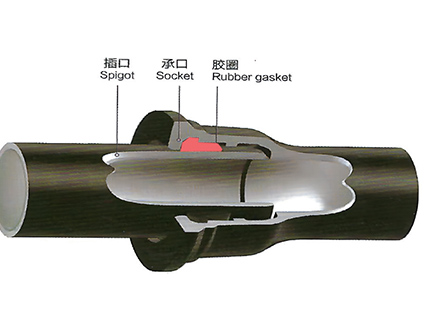 GT-type Joint Ductile Iron Pipe
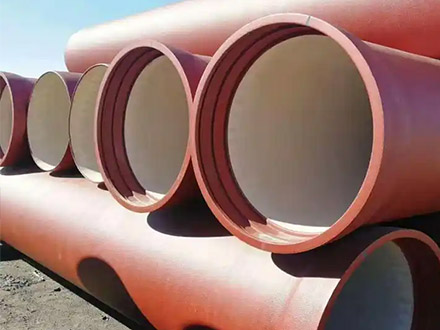
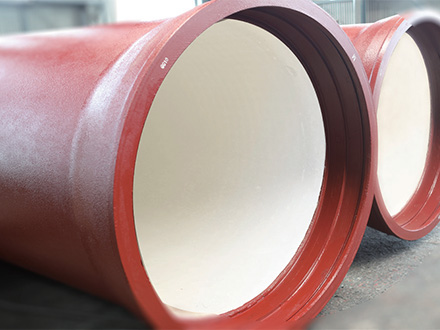 Sewage Pipe (Ductile Iron Sewage Pipe)
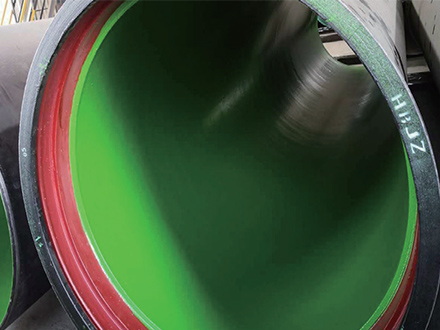 Special Coating Pipe (Ductile Iron Pipe with Special Coatings)