

Ductile Iron Pipe vs HDPE: Which Is Better for South Africa Water Infrastructure?
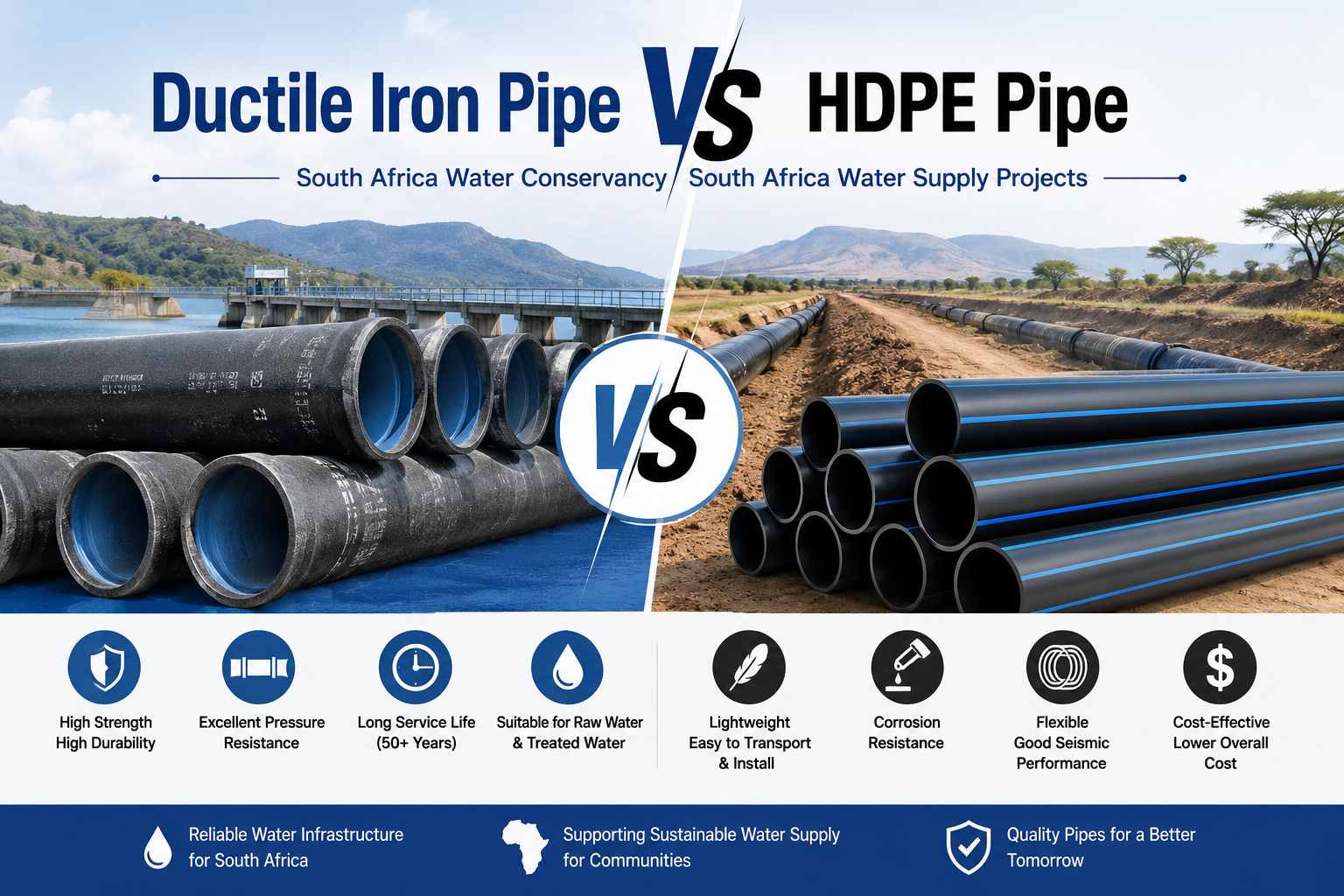

⚡ Quick Answer: For municipal and high-pressure water infrastructure projects in South Africa, ductile iron pipe is generally preferred over HDPE because of its superior pressure resistance (up to PN63), longer service life (50-100 years vs 30-50 years), and structural strength for underground installation. However, HDPE pipe may be more suitable for low-pressure, corrosive environments where chemical resistance and flexibility are priorities.
Why Does Material Selection Matter for South African Water Projects?
South Africa's water infrastructure faces unique challenges that directly impact pipe material selection. Municipal water authorities — including Rand Water, Umgeni Water, and Bloemwater — manage aging pipeline networks with leakage rates exceeding 30% in several metropolitan areas. Projects in Johannesburg, Durban, Cape Town, and Pretoria routinely encounter high operating pressures, complex soil conditions, and intense UV exposure during surface storage.
Choosing between ductile iron pipe and HDPE pipe isn't just a technical decision. It affects:
Project lifespan — Will the pipeline last 50+ years or require replacement in 20-30 years?
Maintenance costs — How often will repairs be needed, and what's the total cost of ownership?
Pressure performance — Can the pipe handle surge pressures common in South African pumping stations?
Installation reliability — Will the material perform consistently in underground conditions across different geological zones?
For EPC contractors and municipal engineers, the wrong material choice can lead to premature failures, budget overruns, and service disruptions that affect thousands of residents.
For a complete overview of South Africa water pipeline projects including material selection, standards, procurement, and logistics, see our South Africa Water Pipeline Complete Guide 2026 →
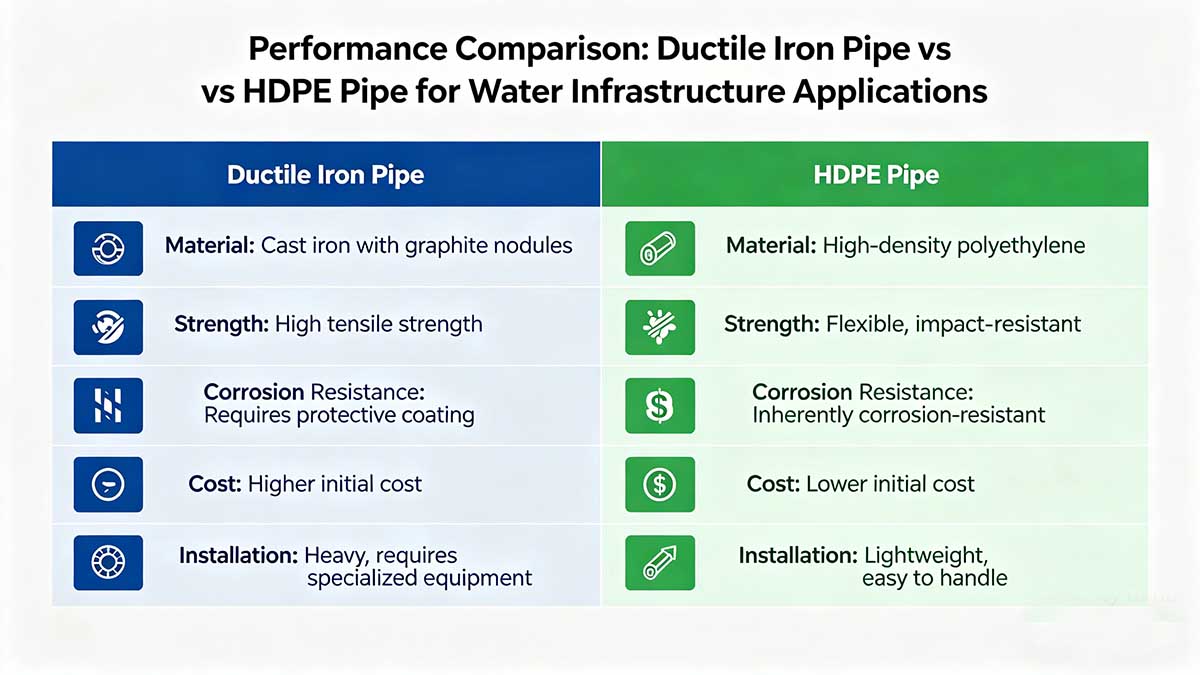
How Does Ductile Iron Pipe Compare to HDPE in Pressure Resistance?
Pressure resistance is the single most important factor when selecting pipe material for municipal water systems. South African municipal projects typically require pipes rated for PN16 to PN40 operating pressures, with surge pressures occasionally reaching PN63 in high-elevation transmission mains.
Ductile iron pipe delivers exceptional pressure performance. K9 class ductile iron pipe (per ISO 2531) is rated for PN40 (40 bar) operating pressure, while K12 class handles up to PN63 (63 bar). This makes ductile iron pipe suitable for virtually all municipal water applications, from low-pressure distribution networks to high-pressure bulk transmission pipelines.
HDPE pipe performance varies significantly by SDR (Standard Dimension Ratio) rating. SDR 11 HDPE pipe handles PN16 operating pressure, while SDR 9 achieves PN25. For pressures above PN25, HDPE requires thicker walls, which increases material costs and reduces flow capacity — making it less practical for high-pressure municipal applications.
Which Material Offers Longer Lifespan Underground?
Service life directly impacts the total cost of ownership for water infrastructure projects. South African municipalities typically evaluate pipelines over a 50-year lifecycle, making long-term durability a critical selection criterion.
Ductile iron pipe has a proven service life of 50-100+ years underground. The combination of zinc coating (≥130g/m² per ISO 8179) and bitumen paint (≥70μm) provides cathodic protection for 35+ years in moderate soil conditions. In aggressive soils, PE encasement per ISO 12234 extends service life beyond 100 years. Cement mortar lining (per ISO 4179) prevents internal corrosion, maintaining flow capacity throughout the pipe's service life.
HDPE pipe offers 30-50 years of service life, depending on material grade (PE80 vs PE100) and operating conditions. PE100 HDPE pipe provides better long-term strength and creep resistance compared to PE80. However, HDPE is susceptible to UV degradation during surface storage and requires protective covering when installed in shallow trenches with high surface temperatures — a common condition in South Africa's inland regions.
| Feature | Ductile Iron Pipe (ISO 2531) | HDPE Pipe (ISO 4427) |
|---|---|---|
| Service Life | 50-100+ years | 30-50 years |
| Max Pressure Rating | PN40-PN63 (K9-K12) | PN16-PN25 (SDR 11-9) |
| Underground Strength | Excellent (rigid pipe) | Good (flexible pipe) |
| Corrosion Resistance | Good (with coating + PE encasement) | Excellent (inherent) |
| UV Resistance | Excellent (bitumen coating) | Poor (requires protection) |
| Joint Reliability | Push-on / Mechanical joints (proven) | Butt fusion / Electrofusion (requires skilled labor) |
| Installation Speed | Moderate (heavy, requires crane) | Fast (lightweight, long coils) |
| Cost per Meter (DN300) | $$ (moderate) | $$$ (higher for equivalent pressure) |
When Is HDPE Pipe a Better Choice Than Ductile Iron?
HDPE pipe isn't always the wrong choice. There are specific scenarios where HDPE outperforms ductile iron pipe:
Low-pressure applications (<pn10):< strong=""> For irrigation, drainage, or small-diameter service connections, HDPE's flexibility and lightweight nature reduce installation costs significantly.
Highly corrosive environments: In areas with extremely aggressive soil chemistry (pH <4 or pH >11) or industrial effluent discharge, HDPE's inherent chemical resistance eliminates the need for external coatings.
Trenchless installation: HDPE's flexibility makes it ideal for horizontal directional drilling (HDD) and pipe-bursting rehabilitation projects where rigid ductile iron pipe cannot be installed.
Seismic zones: In areas with ground movement or seismic activity, HDPE's flexibility allows it to withstand deformation without joint failure.
However, for the majority of South African municipal water projects — which require DN200-DN1200 diameters at PN16-PN40 pressure ratings — ductile iron pipe remains the more economical and reliable choice.
Common Problems in DI Pipe Projects & How to Avoid Them
Zinc + bitumen coating may be consumed in 10-20 years in high corrosivity soil (resistivity <3,000 Ω·cm), leading to external pitting and premature failure.
Solution: Specify epoxy coating (≥250μm) + PE encasement per ISO 12234 for soil resistivity <3,000 Ω·cm. Conduct soil testing before pipe selection.
Water hammer in South African pumping stations can generate pressures 2-3x operating pressure, causing joint separation or pipe rupture in undersized systems.
Solution: Verify PMA (Pressure Maximum Admissible) rating exceeds maximum surge pressure. Specify K10 (PN50) or K12 (PN63) class for high surge risk applications.
80% of corrosion failures occur at joints where coating is interrupted during field installation. Unprotected joints become corrosion entry points within 5-10 years.
Solution: Apply field joint coating (epoxy + PE tape) at every connection. Inspect all joints before backfilling. Require joint protection documentation from contractor.
Sourcing DI Pipe for South Africa Water Projects
Tiegu coordinates production across qualified Chinese foundries with proven experience in South African municipal water projects. We verify ISO 2531 compliance, SABS certification requirements, and pressure testing documentation before shipment.
This means buyers receive K9/K12 ductile iron pipe with complete material test reports, cement mortar lining certificates, and PE encasement specifications — all coordinated through a single supply chain partner.
You can share your project specifications or pipeline layout for technical evaluation and competitive quotation.
📋 Get Free Technical Quotation
Share your drawings and specifications — receive competitive pricing within 24 hours
✅ Final Recommendation
For South African municipal water systems: K9 ductile iron pipe is the optimal choice when long-term durability (50-100 years), high pressure performance (PN40), and structural strength are priorities. For low-pressure, corrosive environments, HDPE pipe may offer cost advantages.
Selection criteria:
✅ High pressure (>PN16), large diameter (DN300+), underground: Choose ductile iron pipe (K9 class per ISO 2531)
✅ Low pressure (<pn10), corrosive="" soil,="" flexible="" routing:="" consider="" hdpe="" pipe="" (pe100,="" sdr="" 11)
<!--=""-->
✅ Trenchless installation, seismic zones: HDPE pipe offers flexibility advantages
Frequently Asked Questions
Is ductile iron pipe better than HDPE for water supply?
Yes, for municipal and high-pressure applications, ductile iron pipe offers superior pressure resistance (PN40-PN63 vs PN16-PN25 for HDPE), longer lifespan (50-100 years vs 30-50 years), and better structural integrity for underground installation. However, HDPE may be more suitable for low-pressure, corrosive environments due to its chemical resistance and flexibility.
What pressure class is used in South Africa municipal projects?
K9 (PN40) is the standard pressure class for most South African municipal water projects, suitable for operating pressures up to 40 bar and burial depths up to 5 meters. K10 (PN50) and K12 (PN63) are used for high-pressure transmission mains and special applications requiring enhanced structural capacity. PN16 is common for distribution networks, while PN25-PN40 is required for bulk transmission pipelines.
How long does ductile iron pipe last underground?
Properly installed and protected ductile iron pipe has a service life of 50-100+ years underground. The zinc coating (≥130g/m² per ISO 8179) provides cathodic protection for 35+ years in moderate soils. Combined with PE encasement per ISO 12234 in aggressive soils, ductile iron pipe can exceed 100 years of service life. Cement mortar lining prevents internal corrosion, maintaining flow capacity throughout the pipe's lifespan.
Can I import ductile iron pipe from China to South Africa?
Yes, China supplies 40-50% of South Africa's DI pipe imports. Key requirements include ISO 2531/SANS 14394 compliance, SABS certification for government projects, and proper documentation (material test reports, certificate of origin). Working with an experienced supply chain integrator like Tiegu ensures quality control, SABS-compliant certification, and streamlined logistics to Durban, Cape Town, or Richards Bay ports with typical delivery timelines of 6-8 weeks from order confirmation.
📞 Contact Us for Ductile Iron Pipe Solutions
Tiegu — Professional Casting Export Partner
📱 WhatsApp / WeChat: +86 152 5613 5588
📧 Email: zbw@tiegu.net
🌐 Website: www.ductileironpipe2600.com
💬 Inquiry Form: Submit Your Requirements
Response Time: We typically respond within 24 hours with technical specifications, pricing, and delivery timelines for your project.
Related reading: Why municipal projects prefer K9 DI pipe → | Total cost of ownership analysis →
Summary: Key Takeaways
Ductile iron pipe (K9 class, PN40) is the standard choice for South African municipal water projects requiring high pressure resistance and 50+ year service life.
HDPE pipe is suitable for low-pressure (<pn10), corrosive="" environments,="" or="" trenchless="" installation="" applications="" where="" flexibility="" is="" prioritized.
<!--=""-->
Pressure rating, soil conditions, and installation method are the three critical factors in material selection.
Proper coating specification (zinc + bitumen or epoxy) and PE encasement are essential for maximizing ductile iron pipe service life in aggressive soils.
Working with an experienced supply chain integrator ensures ISO 2531 compliance, SABS certification, and streamlined logistics to South African ports.
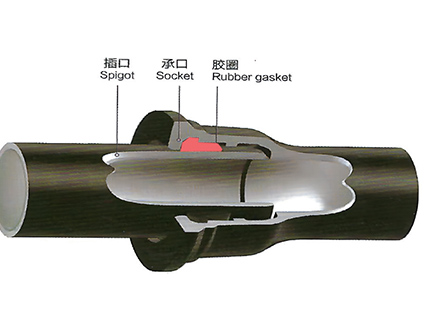 GT-type Joint Ductile Iron Pipe
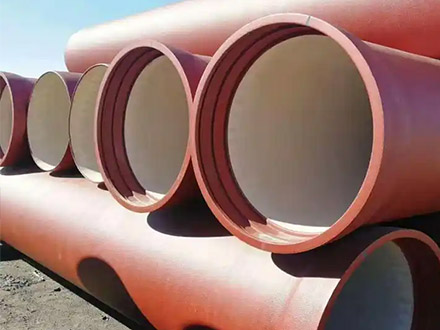
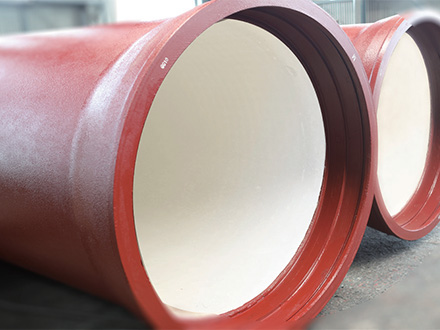 Sewage Pipe (Ductile Iron Sewage Pipe)
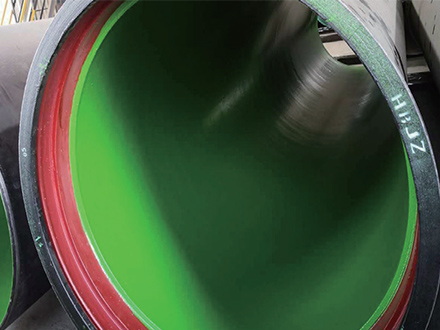 Special Coating Pipe (Ductile Iron Pipe with Special Coatings)