

What Is K9 Pressure Rating for Ductile Iron Pipe? Complete Guide to K9 vs K10 vs K12 Pressure Class Selection
Table of Contents
Understanding K-Class Pressure Ratings
K9 vs K10 vs K12: Key Differences
Wall Thickness by Diameter (DN80-DN2000)
Pressure Capacity Comparison
Burial Depth Limits by Class
Traffic Load Calculations
Soil and External Load Considerations
Cost Differences: K9 vs K10 vs K12
When to Choose Each Pressure Class
Common Selection Mistakes to Avoid
ISO 2531 and EN 545 Standards
Joint Selection Considerations
Installation and Handling Guidelines
Quality Assurance and Testing
Conclusion and Recommendations
Ductile iron pipe pressure class selection is one of the most critical decisions in water main design. The K-class system (K9, K10, K12) defines wall thickness, pressure capacity, and structural performance - directly impacting project cost, installation requirements, and long-term reliability.
K9 represents the standard pressure class used in 80-90% of municipal water main applications. K10 and K12 provide enhanced capacity for special conditions including high operating pressures, deep burial, heavy traffic loads, and aggressive soil environments.
This comprehensive guide explains K-class pressure ratings, wall thickness differences, load calculations, and selection criteria to support informed engineering decisions for ductile iron pipe specifications.
Understanding K-Class Pressure Ratings
What Does "K9" Mean?
The K-class system originates from ISO 2531 and EN 545 standards for ductile iron pipe. The "K" number represents a pressure class designation that determines:
Wall Thickness: Calculated using formula based on DN and K number
Working Pressure (PFA): Maximum continuous operating pressure
Allowable Surge Pressure (PMA): Maximum transient pressure
External Load Capacity: Resistance to soil and traffic loads
Ring Stiffness: Resistance to ring deflection
e = K × (0.5 + 0.001 × DN)
Where:
e = wall thickness (mm)
K = pressure class number (9, 10, 12)
DN = nominal diameter (mm)
K-Class Pressure Ratings Summary
| Pressure Class | PN Rating | Working Pressure (PFA) | Surge Pressure (PMA) | Hydrostatic Test Pressure |
|---|---|---|---|---|
| K9 | PN40 | 40 bar (4.0 MPa) | 100 bar | 50 bar |
| K10 | PN50 | 50 bar (5.0 MPa) | 125 bar | 63 bar |
| K12 | PN63 | 63 bar (6.3 MPa) | 157 bar | 80 bar |
For more detailed information about pressure ratings explained including PFA, PMA, and PN relationships, refer to our comprehensive pressure guide.
K9 vs K10 vs K12: Key Differences
Wall Thickness Comparison by DN
| DN (mm) | K9 (mm) | K10 (mm) | K12 (mm) | K10 vs K9 Increase | K12 vs K9 Increase |
|---|---|---|---|---|---|
| DN80 | 6.0 | 6.5 | 7.5 | +8% | +25% |
| DN100 | 6.1 | 6.6 | 7.7 | +8% | +26% |
| DN150 | 6.3 | 6.9 | 8.1 | +10% | +29% |
| DN200 | 6.5 | 7.1 | 8.4 | +9% | +29% |
| DN300 | 7.2 | 7.9 | 9.3 | +10% | +29% |
| DN400 | 7.9 | 8.6 | 10.2 | +9% | +29% |
| DN500 | 8.6 | 9.4 | 11.1 | +9% | +29% |
| DN600 | 9.3 | 10.2 | 12.0 | +10% | +29% |
| DN800 | 10.7 | 11.7 | 13.8 | +9% | +29% |
| DN1000 | 12.1 | 13.2 | 15.6 | +9% | +29% |
For complete ductile iron pipe dimensions including OD, ID, and weight calculations, refer to our dimensions guide.
Weight Comparison (per 6m length)
| DN (mm) | K9 Weight (kg) | K10 Weight (kg) | K12 Weight (kg) | K10 vs K9 | K12 vs K9 |
|---|---|---|---|---|---|
| DN300 | 1,200 | 1,310 | 1,540 | +9% | +28% |
| DN400 | 1,650 | 1,800 | 2,120 | +9% | +29% |
| DN500 | 2,150 | 2,350 | 2,770 | +9% | +29% |
| DN600 | 2,700 | 2,950 | 3,480 | +9% | +29% |

Burial Depth Limits by Class
Maximum Burial Depth (meters)
| DN (mm) | K9 Max Depth | K10 Max Depth | K12 Max Depth | Soil Type |
|---|---|---|---|---|
| DN80-DN150 | 4.0 m | 5.0 m | 6.0 m | Standard soil |
| DN200-DN300 | 4.5 m | 5.5 m | 6.5 m | Standard soil |
| DN400-DN600 | 5.0 m | 6.0 m | 7.0 m | Standard soil |
| DN800-DN1000 | 5.5 m | 6.5 m | 7.5 m | Standard soil |
Traffic Load Calculations
Traffic Load Capacity by Class
| Pressure Class | Minimum Cover (m) | Highway Traffic | Heavy Industrial | Airport Runway |
|---|---|---|---|---|
| K9 | 0.8 m | ✅ Suitable | ⚠️ Marginal | ❌ Not recommended |
| K10 | 0.6 m | ✅ Suitable | ✅ Suitable | ⚠️ Marginal |
| K12 | 0.5 m | ✅ Suitable | ✅ Suitable | ✅ Suitable |
Traffic Load Standards
Highway Traffic (H-20): 20-ton truck, 1.2m wheel spacing, standard highways
Heavy Industrial: 40-ton trucks, mining vehicles, industrial facilities
Airport Runway: Aircraft wheel loads up to 65 tons, special requirements
Cost Differences: K9 vs K10 vs K12
Price Premium by Class (DN300-DN600)
| Pressure Class | Material Cost Premium | Weight Increase | Installation Cost Impact |
|---|---|---|---|
| K9 (Base) | Standard | Standard | Standard |
| K10 | +8-12% | +9% | +2-3% (heavier handling) |
| K12 | +25-32% | +29% | +5-8% (requires larger equipment) |
When to Choose Each Pressure Class
Choose K9 When:
✅ Operating pressure ≤ PN40 (40 bar)
✅ Burial depth ≤ 4-5 meters (standard trench)
✅ Normal traffic loads (highway H-20)
✅ Standard soil conditions (18 kN/m³)
✅ Municipal water distribution mains
✅ Residential and commercial areas
✅ Budget-conscious projects
Upgrade to K10 When:
✅ Operating pressure PN40-PN50 (40-50 bar)
✅ Burial depth 4-6 meters (deep trench)
✅ Heavy traffic loads (industrial areas)
✅ Moderate soil movement expected
✅ Water transmission mains
✅ Under railway crossings
✅ Moderate seismic zones
Upgrade to K12 When:
✅ Operating pressure PN50-PN63 (50-63 bar)
✅ Burial depth > 6 meters (very deep)
✅ Very heavy traffic (airport, mining, ports)
✅ High seismic activity zones
✅ Soft or unstable soil conditions
✅ High groundwater table
✅ Critical infrastructure (no failure tolerance)
✅ High-rise building supply lines
Common Selection Mistakes to Avoid
Using K12 when K9 is sufficient wastes 25-32% of material budget. Base selection on calculated requirements, not assumptions.
Water hammer can generate pressures 2-3x operating pressure. Verify PMA rating exceeds maximum surge pressure.
Future development may increase traffic loads. Consider 20-30 year projections, not just current conditions.
Soft soils, high groundwater, or corrosive conditions require special considerations beyond pressure class selection.
ISO 2531 and EN 545 Standards
Key Standard Requirements
| Standard | ISO 2531 | EN 545 |
|---|---|---|
| Scope | International standard for DI pipe | European standard (stricter requirements) |
| Pressure Classes | K9, K10, K12 defined | Same + additional C classes |
| Wall Thickness | Formula: e = K(0.5 + 0.001×DN) | Same formula, tighter tolerances |
| Testing | Hydrostatic, tensile, hardness | Same + additional impact testing |
| Coating | Zinc + bitumen/epoxy | Same + stricter quality control |
Joint Selection Considerations
Pressure class selection affects pipe joints and connections requirements:
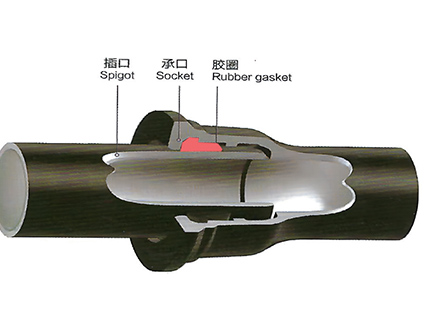
K9: Standard TYTON push-on joints suitable for most applications
K10: TYTON joints with enhanced restraint for higher pressures
K12: Mechanical joints or restrained joints recommended for high-pressure applications
Installation and Handling Guidelines
Handling by Class
| Factor | K9 | K10 | K12 |
|---|---|---|---|
| Lifting Equipment | Standard excavator | Standard excavator | Larger excavator/crane |
| Bedding Requirements | Standard (150mm) | Standard (150mm) | Enhanced (200mm) |
| Trench Width | OD + 600mm | OD + 600mm | OD + 800mm |
Quality Assurance and Testing
Required Tests by Class
Hydrostatic Pressure Test: All classes (50-80 bar depending on class)
Tensile Strength Test: All classes (≥420 MPa for K9, ≥500 MPa for K10/K12)
Hardness Test: All classes (≤230 HB)
Impact Test: K10 and K12 (enhanced requirements)
Coating Thickness: All classes (zinc ≥130g/m²)
Dimensional Inspection: All classes (wall thickness, ovality)
Conclusion and Recommendations
Key Takeaways
K9 is Standard: Suitable for 80-90% of municipal water main applications with PN40 pressure and ≤5m burial depth.
K10 for Moderate Upgrades: Use for PN50 pressure, 4-6m burial, or heavy traffic areas with only 8-12% cost premium.
K12 for Special Applications: Reserve for PN63 pressure, >6m burial, very heavy loads, or critical infrastructure (25-32% cost premium).
Calculate Before Specifying: Base selection on actual pressure, depth, and load calculations - not assumptions.
Consider Lifecycle Costs: Higher initial cost of K10/K12 may be justified for critical applications with high failure consequences.
Selection Checklist
☐ Maximum operating pressure (including surge)
☐ Burial depth and soil conditions
☐ Traffic loads (current and future)
☐ Seismic and environmental factors
☐ Project budget and lifecycle cost priorities
☐ Availability and lead time for specified class
Next Steps
Share your project specifications (DN, operating pressure, burial depth, soil conditions, traffic loads) to receive:
✅ Pressure class recommendation with calculations
✅ Wall thickness and weight specifications
✅ Complete bill of quantities
✅ Technical drawings and certification documents
✅ Competitive quotation for specified pressure class
✅ Delivery timeline and logistics planning
📞 Contact Information
WhatsApp/WeChat: +86 152 5613 5588
Email: zbw@tiegu.net
Website: www.ductileironpipe2600.com
Response Time: Within 24 hours
 GT-type Joint Ductile Iron Pipe
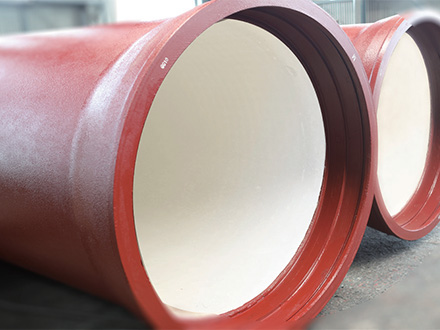 Sewage Pipe (Ductile Iron Sewage Pipe)
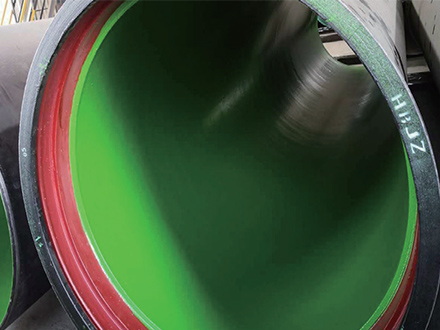 Special Coating Pipe (Ductile Iron Pipe with Special Coatings)