

When Should You Choose Pipe Rehabilitation vs Replacement with Ductile Iron? Complete Lifecycle Cost Analysis
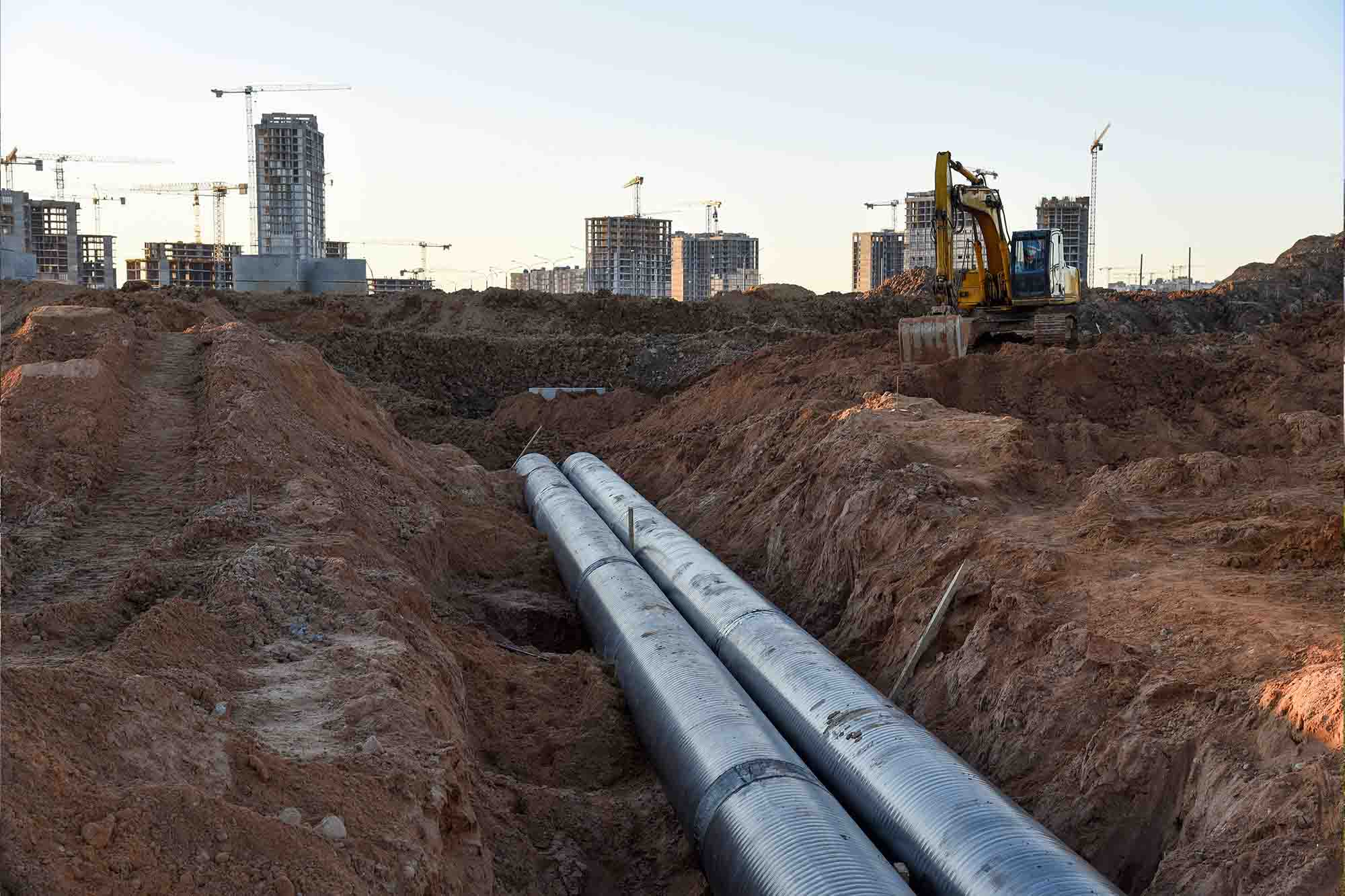
Quick Answer: For pipes over 50 years old with frequent breaks (>5 per km/year), replacement with ductile iron pipe typically delivers lower lifecycle cost than rehabilitation. Trenchless methods (CIPP, sliplining, pipe bursting) reduce surface disruption and cost $200-450/m initially but provide 30-50 year design life. New ductile iron pipe costs $300-500/m installed but lasts 100+ years with minimal maintenance. Consider total lifecycle cost, not just initial investment, especially for critical water infrastructure.
What Factors Determine Whether to Rehabilitate or Replace Water Pipes?
Aging water infrastructure requires strategic decisions to maintain service reliability and water quality. Municipalities and engineering consultants face critical choices: rehabilitate existing pipes using trenchless methods, or replace with new ductile iron pipe? Each approach has distinct advantages, costs, and performance characteristics that affect 50-100 year infrastructure planning.
When Rehabilitation Makes Sense
| Condition | Recommendation | Rationale |
|---|---|---|
| Pipe age <30 years | Rehabilitate | Still has 20+ years useful life remaining |
| Minor leaks (1-2 per km) | Spot repair or CIPP | Localized issues don't justify full replacement |
| Surface disruption critical | Trenchless rehabilitation | High-traffic areas, business districts, historic zones |
| Budget constrained | Rehabilitate | 40-60% lower initial cost than replacement |
| Short-term solution needed | Rehabilitate | Extends service 10-15 years until major project |
When Replacement Is the Better Choice
| Condition | Recommendation | Rationale |
|---|---|---|
| Pipe age >50 years | Replace | Approaching or exceeding design life |
| Frequent breaks (>5/km/year) | Replace | Systemic failure pattern, not isolated issues |
| Severe corrosion (>30% wall loss) | Replace | Structural integrity compromised, rehabilitation risky |
| Capacity increase needed | Replace | Rehabilitation reduces diameter, replacement can upsize |
| Long-term solution required | Replace with ductile iron | 100+ year design life, minimal future intervention |
How Do Different Pipe Rehabilitation Methods Compare?
Method 1: Sliplining (HDPE or GRP)
Process: Insert smaller-diameter HDPE or GRP pipe into existing host pipe. Annular space between liner and host pipe is grouted or left open.
| Parameter | Specification |
|---|---|
| Host Pipe Diameter Range | DN100-1200 |
| Liner Material | HDPE, GRP, or steel |
| Diameter Reduction | 15-25% (significant flow capacity loss) |
| Design Life | 50+ years (liner only, host pipe ignored) |
| Installation Speed | 100-300m/day |
| Installed Cost (DN300) | $150-300/m |
Advantages: ✅ Fastest installation speed | ✅ Proven technology since 1980s | ✅ Structural independence (host pipe not required for support) | ✅ Long design life (50+ years)
Limitations: ❌ Significant flow capacity reduction (15-25% diameter loss) | ❌ Requires excavation at insertion/extraction points (10-20m pits) | ❌ Lateral reconnection required at each service connection | ❌ Annular space may allow water migration if not grouted
Method 2: CIPP (Cured-In-Place Pipe)
Process: Insert resin-impregnated felt or fiberglass liner into existing pipe, inflate with air or water, and cure with hot water or steam. Liner conforms to host pipe shape and seals cracks.
| Parameter | Specification |
|---|---|
| Host Pipe Diameter Range | DN100-600 (larger sizes possible but less common) |
| Liner Material | Resin-impregnated felt or fiberglass |
| Thickness | 5-15mm (depends on structural design requirements) |
| Diameter Reduction | 5-10% (minimal flow capacity loss) |
| Design Life | 50 years (depends on resin quality) |
| Installation Speed | 50-150m/day (includes curing time) |
| Installed Cost (DN300) | $200-400/m |
Advantages: ✅ Minimal diameter reduction (5-10%) | ✅ Conforms to irregular shapes and bends | ✅ Seals cracks, holes, and joint leaks | ✅ Minimal excavation (launch pits only)
Limitations: ❌ Requires host pipe structural integrity (cannot stand alone) | ❌ Resin handling requires safety protocols (styrene exposure) | ❌ Curing time 8-12 hours per section | ❌ Lateral reconnection required | ❌ Cannot fix major collapses or misalignments
Method 3: Pipe Bursting (HDPE or Ductile Iron)
Process: Fracture existing pipe using bursting head while simultaneously pulling in new HDPE or ductile iron pipe. Maintains or increases diameter by removing old pipe.
| Parameter | Specification |
|---|---|
| Host Pipe Diameter Range | DN100-600 |
| New Pipe Material | HDPE or ductile iron |
| Diameter Change | Same size or +1-2 nominal sizes larger |
| Design Life | 50-100 years (HDPE 50yr, ductile iron 100+yr) |
| Installation Speed | 30-80m/day (slower than sliplining) |
| Installed Cost (DN300) | $250-450/m |
Advantages: ✅ Maintains or increases diameter (no flow loss) | ✅ Removes old pipe completely | ✅ New pipe has full structural capacity | ✅ Minimal excavation (entry/exit pits only, 10-15m)
Limitations: ❌ Slower installation than sliplining | ❌ Requires larger entry/exit pits | ❌ May damage nearby utilities if not properly located | ❌ Not suitable for all soil conditions (rocky soil problematic)

What Is the True Cost Comparison Between Rehabilitation and Replacement?
Initial Installation Cost (DN300, 1km)
| Method | Material Cost | Installation Cost | Restoration Cost | Total Initial |
|---|---|---|---|---|
| Sliplining (HDPE) | $80,000 | $100,000 | $20,000 | $200,000 |
| CIPP | $150,000 | $150,000 | $30,000 | $330,000 |
| Pipe Bursting (HDPE) | $100,000 | $200,000 | $50,000 | $350,000 |
| Open-Cut (Ductile Iron) | $180,000 | $200,000 | $120,000 | $500,000 |
Lifecycle Cost Analysis (50 Years, NPV at 5%)
| Method | Initial Cost | Maintenance (50y) | Replacement Cost | Total NPV |
|---|---|---|---|---|
| Sliplining (HDPE) | $200,000 | $50,000 | $150,000 (year 40) | $421,000 |
| CIPP | $330,000 | $40,000 | $200,000 (year 45) | $593,000 |
| Pipe Bursting (HDPE) | $350,000 | $45,000 | $180,000 (year 45) | $600,000 |
| Open-Cut (Ductile Iron) | $500,000 | $30,000 | $0 (100+ year life) | $530,000 |
Which Method Should You Choose for Your Project?
Decision Matrix by Project Priority
| Project Priority | Recommended Method | Key Rationale |
|---|---|---|
| Minimize surface disruption | CIPP or sliplining | Trenchless, minimal traffic impact, business continuity |
| Maximize flow capacity | Pipe bursting or open-cut | No diameter reduction, can upsize if needed |
| Lowest initial cost | Sliplining | $200k/km vs $300-500k for other methods |
| Lowest lifecycle cost | Open-cut (ductile iron) | 100+ year life, minimal maintenance, no replacement |
| Long-term reliability | Open-cut (ductile iron) | Proven 100-year performance, minimal intervention |
| Emergency repair | CIPP | Fastest deployment (50-150m/day), minimal planning |
Hydraulic Performance Comparison
| Method | Diameter Loss | Roughness (C-factor) | Flow Capacity |
|---|---|---|---|
| Sliplining | 15-25% | 140-150 (HDPE smooth) | 70-80% of original |
| CIPP | 5-10% | 130-140 | 85-90% of original |
| Pipe Bursting (HDPE) | 0% (or increase) | 140-150 | 100%+ of original |
| Open-Cut (Ductile Iron) | 0% (can upsize) | 140 (cement lined) | 100%+ of original |
How Does Tiegu Support Infrastructure Rehabilitation and Replacement Projects?
Infrastructure rehabilitation and replacement projects require careful coordination of material supply, contractor scheduling, and technical specifications. When comparing trenchless rehabilitation methods with ductile iron pipe replacement, municipalities need reliable supply chains for both rehabilitation materials (HDPE, CIPP resin, GRP) and new ductile iron pipe.
Tiegu integrates production capacity across qualified Chinese foundries, delivering compliant and high-quality casting products to buyers worldwide. For infrastructure projects evaluating rehabilitation versus replacement options, Tiegu coordinates with engineering consultants and rehabilitation contractors to ensure material availability aligns with project schedules and technical requirements.
Whether your project requires ductile iron pipe for open-cut replacement, specialized pipe joints and connections for complex installations, or corrosion protection solutions for aggressive soil conditions, Tiegu's integrated supply chain ensures timely delivery and technical support throughout project execution.
What Should You Verify Before Making a Decision?
Pre-Decision Checklist
☐ Pipe condition assessed: CCTV inspection completed, break history analyzed (5+ years)
☐ Hydraulic requirements confirmed: Current and future flow demand calculated (20-50 year planning)
☐ Surface disruption evaluated: Traffic impact, business disruption, resident complaints assessed
☐ Budget analyzed: Both initial cost AND lifecycle cost (50-year NPV) calculated
☐ Timeline confirmed: Material availability verified, contractor scheduling aligned
☐ Stakeholder input gathered: Residents, businesses, traffic department, utility companies consulted
☐ Long-term plan considered: 50-100 year infrastructure asset management plan reviewed
☐ Method selected: Based on prioritized criteria (cost vs disruption vs longevity)
Conclusion: What Is the Bottom Line?
Pipe rehabilitation versus replacement requires balancing initial cost, lifecycle cost, surface disruption, and long-term performance. Trenchless methods (sliplining, CIPP, pipe bursting) minimize surface disruption and cost $200-450/m initially but provide 30-50 year design life. Open-cut replacement with ductile iron pipe has higher initial cost ($300-500/m) but delivers 100+ year service life with minimal maintenance.
• Sliplining: Lowest initial cost ($200k/km), fastest installation, but 15-25% diameter loss
• CIPP: Minimal diameter reduction (5-10%), conforms to irregular shapes, 50-year design life
• Pipe bursting: Maintains diameter, removes old pipe, moderate cost ($350k/km)
• Open-cut (ductile iron): Highest initial cost ($500k/km), but 100+ year life, best lifecycle value ($530k NPV)
• Critical decision factor: Consider total lifecycle cost, not just initial investment
For critical water infrastructure in high-traffic urban areas where future excavation is extremely disruptive and costly, trenchless rehabilitation may be preferred despite higher lifecycle cost. For long-term asset management in areas where excavation is acceptable, replacement with ductile iron pipe provides superior value over 100 years with minimal future intervention.
📞 Need Technical Support for Your Pipeline Project?
Contact our team for pipe specifications, pricing, and delivery timelines:
📱 WhatsApp / WeChat: +86 152 5613 5588
📧 Email: zbw@tiegu.net
🌐 Website: www.ductileironpipe2600.com
📋 Inquiry Form: Submit Your Requirements Online
⏱️ Response Time: Within 24 hours
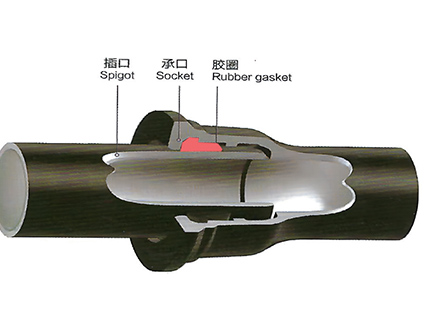 GT-type Joint Ductile Iron Pipe
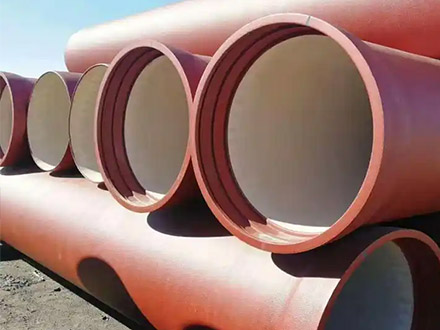
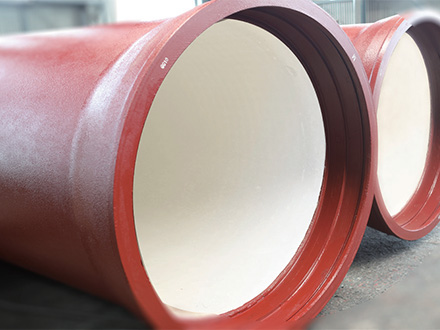 Sewage Pipe (Ductile Iron Sewage Pipe)
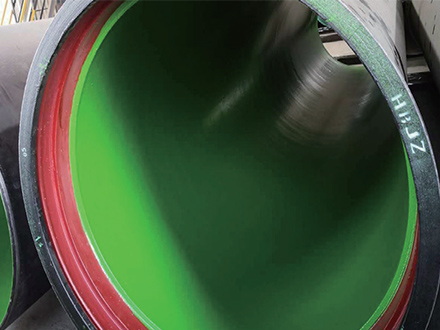 Special Coating Pipe (Ductile Iron Pipe with Special Coatings)