

What Are Ductile Iron Pipe Joint Types? Complete Guide to TYTON, RESTRAIN, Flanged, Mechanical Joints
What Are Ductile Iron Pipe Joint Types? Complete Guide to TYTON, RESTRAIN, Flanged, Mechanical Joints
Table of Contents
What Are the Four Main Types of Pipe Joints?
Ductile iron pipe joints are classified by connection method and thrust resistance capability:
1. Push-On Joints (TYTON Type)
Connection method: Rubber gasket compression
Thrust resistance: Non-restrained (requires thrust blocks)
Installation speed: Fastest (2-5 minutes per joint)
Market share: 90% of municipal water applications
Size range: DN80 to DN1600
Pressure rating: Up to PN35 / K12
2. Restrained Joints
Connection method: Locking mechanism + rubber gasket
Thrust resistance: Fully restrained (no thrust blocks needed)
Installation speed: Moderate (5-10 minutes per joint)
Market share: 5-8% (thrust zones only)
Size range: DN80 to DN600
Pressure rating: Up to PN25 / K10
3. Flanged Joints
Connection method: Bolted flange faces with gasket
Thrust resistance: Self-restrained by bolts
Installation speed: Slowest (15-30 minutes per joint)
Market share: 2-3% (valve/pump connections)
Size range: DN50 to DN2000
Pressure rating: Up to PN40
4. Mechanical Joints (MJ)
Connection method: Compression gland + follower ring
Thrust resistance: Partially restrained (depends on design)
Installation speed: Moderate (10-15 minutes per joint)
Market share: 1-2% (retrofit, above-ground)
Size range: DN80 to DN600
Pressure rating: Up to PN35 / K12
How Does TYTON Push-On Joint Work?
TYTON joint (trademark of Saint-Gobain PAM, now generic term) is the most widely used ductile iron pipe connection system worldwide.
Joint Components
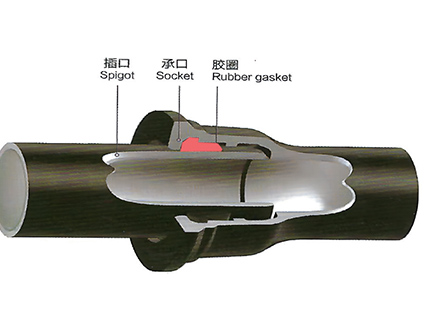
Spigot end: Plain end of pipe being inserted
Socket end: Bell-shaped receiving end with gasket recess
Rubber gasket: Single rubber ring (SBR/EPDM/NBR material)
Lubricant: Silicone-based or vegetable oil-based assembly paste
Installation Steps
Clean socket and spigot: Remove dirt, debris, moisture
Insert gasket: Place rubber ring into gasket recess in socket
Apply lubricant: Coat gasket and spigot end with approved lubricant
Align pipes: Ensure proper alignment (max 3-5° deflection)
Push together: Use lever, come-along, or excavator to insert spigot into socket
Verify assembly: Check insertion depth mark is visible
Advantages
✅ Fastest installation (2-5 minutes per joint)
✅ No special tools required (lever or excavator sufficient)
✅ Allows 3-5° deflection for curve installation
✅ Proven reliability (60+ years of field performance)
✅ Lowest cost per joint
✅ Suitable for direct burial and submerged applications
Limitations
❌ Non-restrained — requires thrust blocks at bends/tees/valves
❌ Cannot be disassembled once installed (destructive removal)
❌ Not suitable for above-ground installations without support
❌ Gasket replacement requires pipe separation
Typical Applications
Municipal water distribution mains (DN100-DN600)
Sewer force mains
Raw water transmission lines
Irrigation systems
Fire protection underground piping

When Should You Use Restrained Joints?
Restrained joints prevent pipe separation under thrust forces without requiring concrete thrust blocks.
What Creates Thrust Forces?
Thrust forces occur at locations where flow direction changes or pipe ends are capped:
Bends (elbows): 11.25°, 22.5°, 45°, 90°
Tees and wyes: Branch connections
Valves: Closed valves create dead-end thrust
Reducers: Diameter changes
Dead ends: Caps, plugs, blank flanges
Hydrants: Fire hydrant connections
Restraint Mechanisms
Different manufacturers use different restraint methods:
| Type | Mechanism | Examples | Size Range |
|---|---|---|---|
| Locking segments | Steel wedges grip spigot | TR Flex, US Pipe EBAA | DN80-DN600 |
| Set screws | Bolts tighten against spigot | CertainTeam Fast-Grip | DN80-DN300 |
| Grip ring | Serrated ring bites into spigot | PAM Flex-An | DN100-DN400 |
| Wedging action | Gland wedges under pressure | Self-restrained designs | DN150-DN600 |
Installation Requirements
Prepare joint: Same as push-on joint (clean, gasket, lubricate)
Assemble joint: Push spigot into socket fully
Engage restraint: Install locking segments or tighten set screws per manufacturer instructions
Verify engagement: Check all locking points are properly engaged
Test pull-out: Apply light tension to confirm restraint (optional)
Advantages Over Thrust Blocks
✅ No concrete pouring required (faster installation)
✅ No curing time wait (immediate pressure testing)
✅ Suitable for high water table (thrust blocks can float)
✅ Easier future maintenance and modification
✅ Consistent performance (not dependent on soil conditions)
Typical Applications
Horizontal and vertical bends
Dead ends and caps
Valve installations
Hydrant branches
Steep slope installations (prevent downhill creep)
Bridge crossings (thermal expansion/contraction)
Where Are Flanged Joints Required?
Flanged joints provide bolted connections for equipment, valves, and above-ground piping systems.
Flange Standards
| Standard | Region | Pressure Ratings | Bolt Pattern |
|---|---|---|---|
| EN 1092-2 | Europe | PN10, PN16, PN25, PN40 | Metric bolts |
| ANSI B16.1 | North America | Class 125, Class 250 | Imperial bolts |
| ISO 7005-1 | International | PN10/16, PN25/40 | Both metric/imperial |
| AS 2129 | Australia | Table D, E, H | Metric bolts |
Gasket Selection
Flange gaskets must be selected based on application:
Full-face gaskets: Cover entire flange face, used with flat-face flanges
Ring gaskets: Inner/outer ring, used with raised-face flanges
Material: EPDM (water), NBR (oil), PTFE (chemicals), graphite (high temperature)
Thickness: 3mm standard, 5mm for uneven flanges
Bolt Torque Requirements
Proper bolt torque is critical for leak-free performance:
| Bolt Size | Grade 8.8 (Nm) | Grade 10.9 (Nm) | Tightening Pattern |
|---|---|---|---|
| M12 | 70-80 | 95-105 | Star pattern (cross-tighten) |
| M16 | 160-180 | 220-240 | Multiple passes (30%, 60%, 100%) |
| M20 | 310-340 | 430-470 | Use calibrated torque wrench |
| M24 | 540-590 | 750-820 | Hydraulic torque tool recommended |
Typical Applications
Pump suction and discharge connections
Valve installations (gate, butterfly, check valves)
Flow meter connections
Above-ground piping in treatment plants
Equipment requiring frequent maintenance
System expansion points (blank flanges)
Why Choose Mechanical Joint for Retrofit?
Mechanical joints (MJ) use compression-based connections, ideal for retrofit and special applications.
MJ Joint Components
Gland: Cast iron or ductile iron compression ring
Follower ring: Steel or iron ring that compresses gasket
Rubber gasket: T-shaped or wedge-shaped compression seal
Bolts and nuts: Typically 4-8 bolts depending on size
Installation Steps
Clean pipe ends: Remove rust, scale, debris from spigot and socket
Position gasket: Place T-gasket on spigot end
Insert spigot: Push into socket until bottomed
Position gland: Slide gland over spigot against gasket
Install bolts: Insert bolts through gland and socket lugs
Tighten nuts: Alternating pattern, torque to specification
Verify compression: Check uniform gap around gland
Advantages for Retrofit
✅ Accommodates slight pipe ovality (common in old pipes)
✅ Can connect different pipe materials (DI to PVC, steel, HDPE)
✅ Adjustable compression (compensates for wear)
✅ Disassemblable for future modifications
✅ No special tools required (wrenches sufficient)
✅ Suitable for above-ground and below-ground
Typical Applications
Retrofit connections to existing cast iron pipes
Above-ground industrial piping
Temporary installations
Cross-material connections (DI to PVC/steel/HDPE)
Repair couplings
Service connections
Which Joint Type Is Best for Your Application?
Use this decision matrix for joint selection:
| Application | Recommended Joint | Reason |
|---|---|---|
| Municipal water main (straight run) | TYTON push-on | Fast, cost-effective, proven |
| Bends and tees | Restrained joint | Thrust resistance without blocks |
| Pump/valve connections | Flanged joint | Easy disassembly for maintenance |
| Retrofit to old pipe | Mechanical joint | Accommodates ovality, adjustable |
| Above-ground piping | Flanged or mechanical | Accessible for inspection |
| Steep slope installation | Restrained joint | Prevents downhill creep |
| High water table | Restrained joint | Thrust blocks can float |
| Directional drilling | Restrained joint | Withstands pull-back forces |
How to Specify Correct Joints for Your Project?
Proper joint selection requires understanding of project conditions, thrust forces, and installation constraints.
Tiegu integrates production capacity across qualified Chinese foundries, delivering compliant and high-quality casting products to buyers worldwide. For ductile iron pipe projects, we coordinate manufacturing with appropriate joint types (TYTON, restrained, flanged, mechanical) based on application requirements, pressure ratings, and installation methods.
Share your pipeline layout, pressure requirements, and installation conditions to receive joint specifications and supplier recommendations with competitive quotations.
📋 Get Free Technical Quotation
Summary Answer
TYTON push-on joints: 90% of municipal applications, fastest installation (2-5 min), non-restrained (requires thrust blocks)
Restrained joints: Mandatory at bends/tees/valves/dead ends, prevents separation without thrust blocks, moderate installation speed (5-10 min)
Flanged joints: Bolted connections for pumps/valves/equipment, easy disassembly, slowest installation (15-30 min), PN10-PN40 ratings
Mechanical joints: Compression-based, ideal for retrofit and above-ground, accommodates pipe ovality, disassemblable
Selection criteria: Consider thrust forces, installation method, maintenance requirements, pressure rating, and cost
Compatibility: Verify flange standards match (EN 1092-2 ≠ ANSI B16.1), use appropriate gaskets for fluid type
📞 Contact Tiegu for Pipeline Solutions
WhatsApp / WeChat: +86 152 5613 5588
Email: zbw@tiegu.net
Website: www.ductileironpipe2600.com
Inquiry Form: Submit Your Requirements
Response Time: Within 24 hours
 GT-type Joint Ductile Iron Pipe
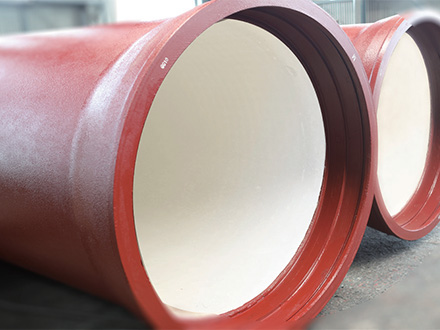 Sewage Pipe (Ductile Iron Sewage Pipe)
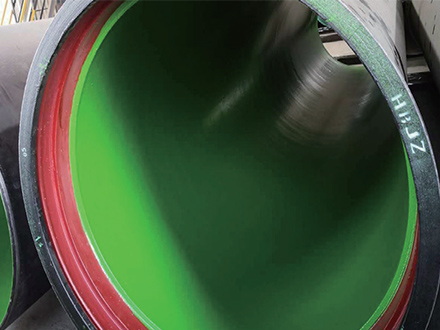 Special Coating Pipe (Ductile Iron Pipe with Special Coatings)