

ISO 2531 vs EN 545: What Are the Key Differences for Ductile Iron Pipe?
ISO 2531 vs EN 545: What Are the Key Differences for Ductile Iron Pipe?
If you are evaluating ductile iron pipe suppliers for an international water infrastructure project...
Understanding the difference between ISO 2531 and EN 545 standards is critical for ensuring compliance, avoiding costly rejections at customs, and selecting appropriate suppliers for your project location and funding source.
When procuring ductile iron pipe for international projects, understanding the difference between ISO 2531 and EN 545 standards is critical for ensuring compliance, avoiding costly rejections, and selecting appropriate suppliers. While both standards cover ductile iron pipes for water applications, they have significant differences in scope, technical requirements, testing protocols, and certification processes.
This comprehensive comparison helps procurement managers make informed decisions based on project location, funding source, and regulatory requirements.
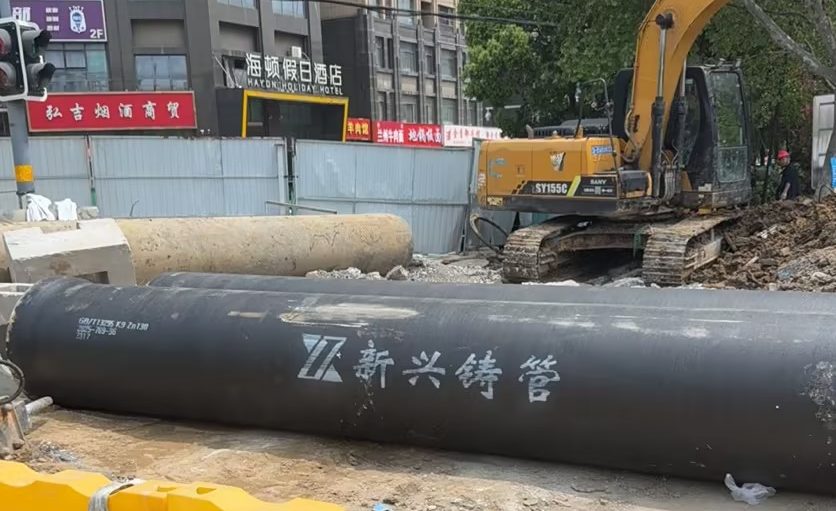
What Is ISO 2531 Standard?
ISO 2531: International Standard Overview
Full Title: ISO 2531 "Ductile iron pipes, fittings, accessories and their joints for water or gas applications"
Publisher: International Organization for Standardization (ISO)
First Published: 1974 (multiple revisions, latest: 2009)
Geographic Scope:
✅ Middle East (all countries)
✅ Southeast Asia (most countries)
✅ Africa (most countries)
✅ South America (most countries)
✅ Australia and New Zealand
❌ Europe (replaced by EN 545)
Key Characteristics:
Performance-based standard (focuses on results)
Flexible testing requirements
Manufacturer self-certification acceptable
Widely accepted by international lenders (ADB, AfDB, IDB)
What Is EN 545 Standard?
EN 545: European Standard Overview
Full Title: EN 545 "Ductile iron pipes, fittings, accessories and their joints for water pipelines - Requirements and test methods"
Publisher: European Committee for Standardization (CEN)
First Published: 1994 (revised 2006, 2010)
Geographic Scope:
✅ European Union (mandatory)
✅ EFTA countries (Norway, Switzerland, Iceland)
✅ UK (post-Brexit, retained as BS EN 545)
✅ Some World Bank projects (specified in bidding documents)
❌ Not typically used outside Europe
Key Characteristics:
Prescriptive standard (detailed requirements)
Mandatory third-party certification
More stringent testing than ISO 2531
Requires notified body involvement
How Do ISO 2531 and EN 545 Differ?
1. What Are the Pressure Class Differences?
| Aspect | ISO 2531 | EN 545 |
|---|---|---|
| Pressure Classes | K7, K8, K9, K10, K11, K12 | PN10, PN16, PN25, PN35, PN40 |
| Most Common | K9 | PN16 |
| Equivalence | K9 ≈ PN16 | PN16 ≈ K9 |
| Design Approach | Allowable working pressure + surge | Nominal pressure rating |
2. What Are the Mechanical Requirements?
| Property | ISO 2531 | EN 545 | Difference |
|---|---|---|---|
| Tensile Strength | ≥420 MPa | ≥420 MPa | Same |
| Yield Strength | ≥300 MPa | ≥300 MPa | Same |
| Elongation | ≥10% | ≥10% | Same |
| Hardness | ≤230 HB | ≤230 HB | Same |
Good news: The core mechanical properties are identical between both standards. This means a pipe manufactured to ISO 2531 K9 will generally meet EN 545 PN16 mechanical requirements.
3. What Are the Testing Requirements?
| Test Type | ISO 2531 | EN 545 |
|---|---|---|
| Hydrostatic Test | Required (pressure varies by class) | Required (more stringent pressure levels) |
| Tensile Test | Per heat analysis | Per heat analysis + additional frequency |
| Impact Test | Optional/upon request | Mandatory for certain diameters |
| Coating Adhesion | Basic requirements | More detailed test methods |
| Cement Lining | Standard thickness requirements | Additional compressive strength tests |
Key Difference: EN 545 requires more frequent testing and additional test types, particularly for impact resistance and coating adhesion.
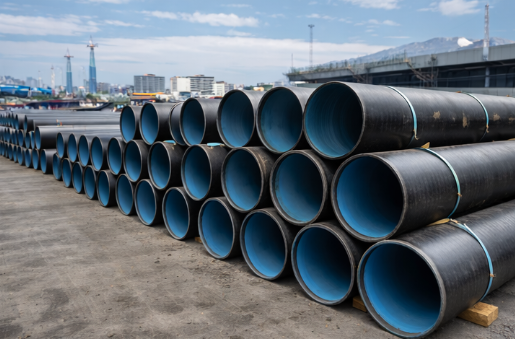
4. What Are the Certification Requirements?
| Aspect | ISO 2531 | EN 545 |
|---|---|---|
| Certification Type | Manufacturer self-declaration acceptable | Mandatory third-party certification |
| Notified Body | Not required | Required (EU-recognized body) |
| Common Certifications | ISO 9001, manufacturer test reports | KIWA, DVGW, NSF, WRAS |
| Factory Audits | Optional (buyer's discretion) | Required by certification body |
| Traceability | Heat number marking required | Full traceability with certification marks |
Which Standard Should You Choose?
How to Select the Right Standard for Your Project?
The choice between ISO 2531 and EN 545 depends on several factors:
Project Location:
Europe → EN 545 (mandatory)
Middle East, Asia, Africa, South America → ISO 2531 (typically accepted)
Funding Source:
World Bank → Check bidding documents (may specify EN 545)
Regional Development Banks → ISO 2531 typically accepted
Government funding → Follow local regulations
End-User Requirements:
Water utilities may have preferred standards
Some countries accept both with proper documentation
What Documentation Do You Need?
Required Documents for ISO 2531 Procurement
✅ Manufacturer's Certificate of Compliance (stating ISO 2531)
✅ Test reports (hydrostatic, tensile, hardness)
✅ Material certificates (chemical composition)
✅ Dimensional inspection reports
✅ Coating inspection reports (zinc, cement lining)
✅ ISO 9001 quality management certificate (recommended)
Required Documents for EN 545 Procurement
✅ Third-party certification certificate (KIWA, DVGW, etc.)
✅ Notified body identification number on products
✅ Declaration of Performance (DoP)
✅ CE marking documentation
✅ Full test reports (including impact tests)
✅ Factory audit reports from certification body
Need help verifying supplier certifications?
Tiegu's team can audit supplier documentation, verify certification authenticity, and ensure your ductile iron pipe meets the correct standard for your project.
Key Takeaways
✅ ISO 2531 is the global standard (except Europe) with flexible certification
✅ EN 545 is mandatory for Europe with strict third-party certification
✅ K9 ≈ PN16 but they are NOT identical—verify project specifications
✅ Mechanical properties are the same between both standards
✅ EN 545 testing is more stringent with additional requirements
✅ Certification marks (KIWA, DVGW) are required for EN 545, not for ISO 2531
📞 Contact Tiegu for Standards Compliance Support
🌐 Website: www.ductileironpipe2600.com
📧 Email: zbw@tiegu.net
📱 WhatsApp/Phone: +86 152 5613 5588
Our team provides standards compliance verification, supplier audits, and certification document review for ductile iron pipe procurement projects worldwide.
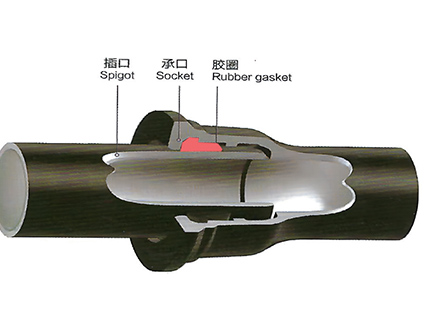 GT-type Joint Ductile Iron Pipe
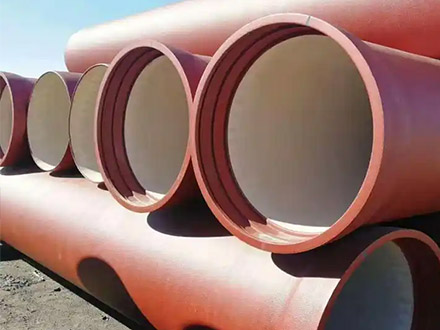
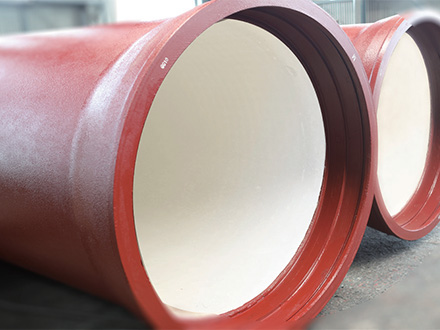 Sewage Pipe (Ductile Iron Sewage Pipe)
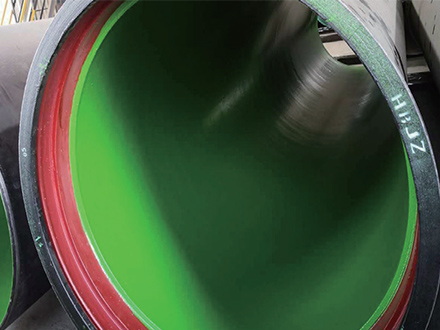 Special Coating Pipe (Ductile Iron Pipe with Special Coatings)