

Digital Monitoring Points in Ductile Iron Pipe Production
Quick Answer
What are the key digital monitoring points in ductile iron pipe production?
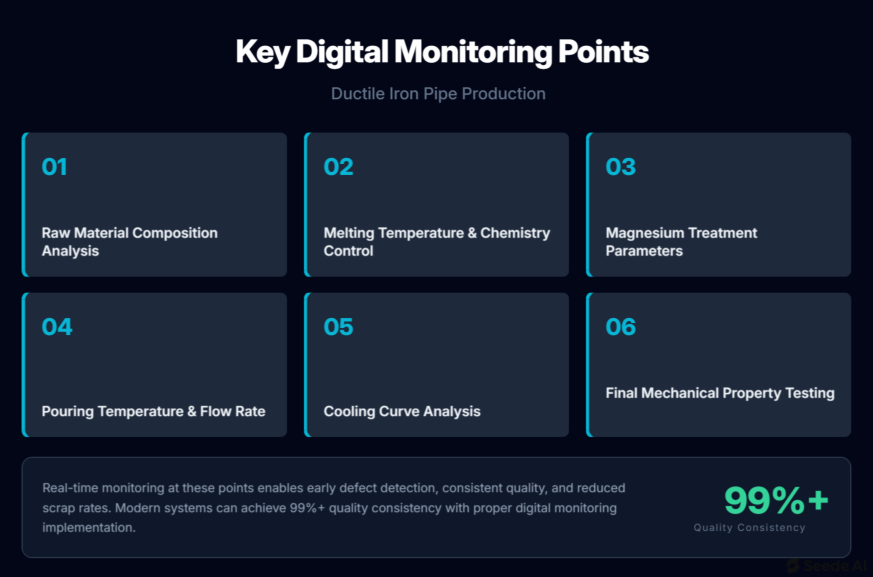
Critical monitoring points include: (1) raw material composition analysis, (2) melting temperature and chemistry control, (3) magnesium treatment parameters, (4) pouring temperature and flow rate, (5) cooling curve analysis during solidification, and (6) final mechanical property testing. Real-time monitoring at these points enables early defect detection, consistent quality, and reduced scrap rates. Modern systems can achieve 99%+ quality consistency with proper digital monitoring implementation.
Introduction: The Importance of Digital Monitoring
Ductile iron pipe production is a complex process involving multiple stages, each with critical parameters that affect final product quality. Digital monitoring systems offer significant advantages including real-time visibility, automated alerts, historical data for trend analysis, and traceability from raw material to finished product.
1. Raw Material Composition Analysis
The quality of ductile iron pipes begins with raw materials. Digital monitoring includes spectrometer integration for automatic data capture and real-time composition analysis.
2. Melting Temperature and Chemistry Control
The melting process determines the base quality of the iron. Key parameters include tap temperature (typically 1450-1550C), holding temperature stability, and chemistry control.
3. Magnesium Treatment Parameters
Magnesium treatment is perhaps the most critical step in ductile iron production. Proper treatment ensures graphite nodularity and consistent mechanical properties.
4. Pouring Temperature and Flow Rate
Consistent pouring parameters are essential for uniform mold filling and prevention of defects.
5. Cooling Curve Analysis During Solidification
Cooling curve analysis provides insights into graphite formation, potential for shrinkage defects, and overall metal quality.
6. Final Mechanical Property Testing
Final testing confirms that pipes meet required specifications including tensile strength, yield strength, elongation, and hardness.
Conclusion: Building a Digital Monitoring Strategy
Digital monitoring in ductile iron pipe production is not about replacing human expertise - it is about augmenting it with real-time data, automated alerts, and historical insights.
FAQ
Q1: What is the minimum digital monitoring system for a small pipe foundry?
For small foundries, start with digital thermocouples for temperature monitoring, basic spectrometer for chemistry analysis, and simple data logging software. This foundation costs approximately 30,000-50,000 USD.
Q2: How quickly can digital monitoring reduce defect rates?
Most foundries see initial improvements within 4-8 weeks. Significant defect rate reductions (20-30%) typically occur within 3-6 months.
Q3: Can digital monitoring systems integrate with existing equipment?
Yes, most modern monitoring systems are designed to work with existing equipment through add-on sensors and retrofit solutions.
Q4: What data security considerations apply?
Key considerations include network segmentation, user access controls, data backup procedures, and vendor security practices.
Q5: How do we justify the ROI of digital monitoring investments?
ROI comes from reduced scrap, decreased rework, improved customer satisfaction, reduced testing costs, and better decision-making. Most systems pay back within 12-18 months.
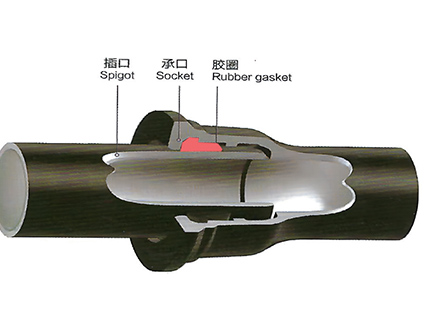 GT-type Joint Ductile Iron Pipe
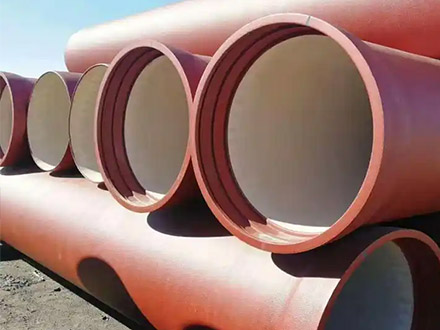
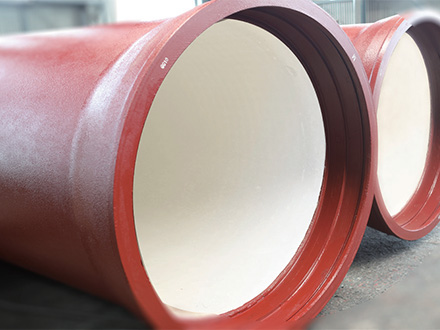 Sewage Pipe (Ductile Iron Sewage Pipe)
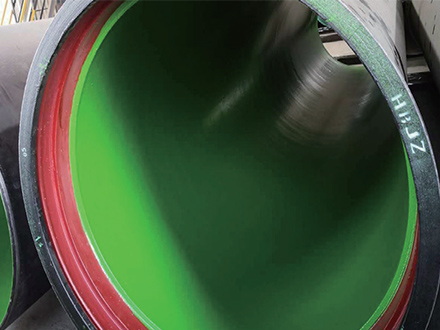 Special Coating Pipe (Ductile Iron Pipe with Special Coatings)