

Sustainable Ductile Iron Pipe Manufacturing: Best Practices
Quick Answer
What are best practices for sustainable ductile iron pipe manufacturing? Key practices include: using recycled scrap metal (90%+ recyclability), implementing water recycling systems, optimizing heat treatment processes, adopting energy-efficient molding techniques, and establishing closed-loop sand recycling. These practices can reduce energy consumption by 20-30% and material costs by 15-25%.
Introduction: Sustainability in Pipe Infrastructure
Ductile iron pipes are inherently sustainable with 50-100 year service life and high recyclability. However, manufacturing processes can be further optimized for environmental performance.
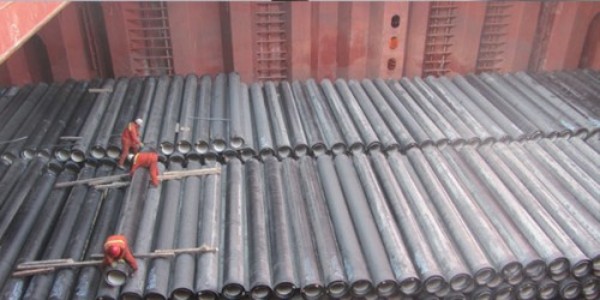
Practice 1: Maximize Recycled Material Usage
Ductile iron pipes can be made from 90%+ recycled scrap metal. Establish relationships with reliable scrap suppliers and implement quality control for incoming materials.
Practice 2: Water Recycling Systems
Implement closed-loop water systems for cooling and cleaning. Typical water savings: 70-90%. Payback period: 2-4 years.
Practice 3: Optimize Heat Treatment
Use waste heat recovery systems, optimize annealing cycles, and implement real-time temperature monitoring. Energy savings: 15-25%.
Practice 4: Energy-Efficient Molding
Adopt no-bake sand systems, optimize sand-to-metal ratios, and use energy-efficient compaction equipment.
Practice 5: Closed-Loop Sand Recycling
Reclaim and reuse foundry sand multiple times. Typical reclamation rate: 80-95%. Reduces both costs and landfill waste.
FAQ
Q1: What is the carbon footprint of ductile iron pipe
Typical carbon footprint: 0.8-1.2 tons CO2 per ton of pipe. This can be reduced by 30-40% through sustainable practices.
Q2: How long do ductile iron pipes last
Service life is typically 50-100 years depending on soil conditions and protection systems. This makes them highly sustainable compared to alternatives.
Q3: Can ductile iron pipes be recycled
Yes, ductile iron pipes are 100% recyclable at end of life. Scrap value helps offset replacement costs.
Q4: What certifications indicate sustainable pipe manufacturing
Look for ISO 14001, environmental product declarations (EPD), and third-party sustainability certifications.
Q5: How to verify supplier sustainability claims
Request sustainability reports, audit manufacturing facilities, verify certifications, and check third-party assessments.
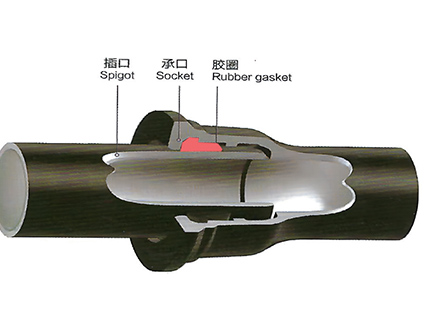 GT-type Joint Ductile Iron Pipe
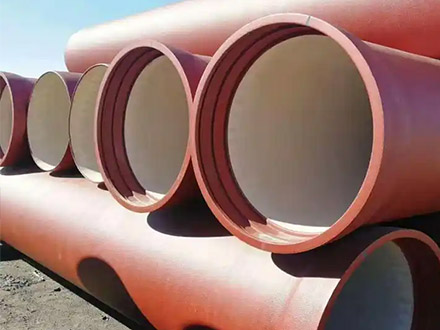
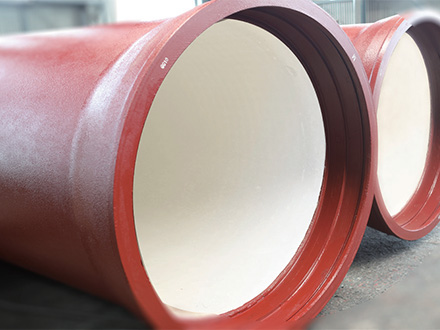 Sewage Pipe (Ductile Iron Sewage Pipe)
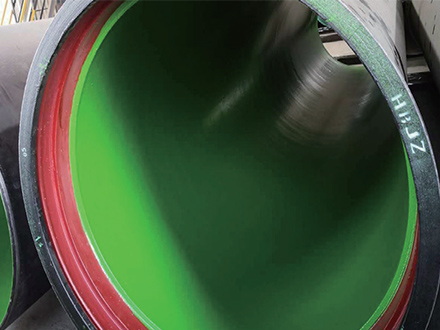 Special Coating Pipe (Ductile Iron Pipe with Special Coatings)