

What Pressure Class (K7/K8/K9) Should You Choose for Your Pipeline?
Quick Answer
Choose K7 for low-pressure applications (PN10), K8 for medium pressure (PN16), and K9 for high-pressure systems (PN25). K9 is the most commonly specified class for municipal water and sewage systems. The right choice depends on your operating pressure, soil conditions, and safety requirements.
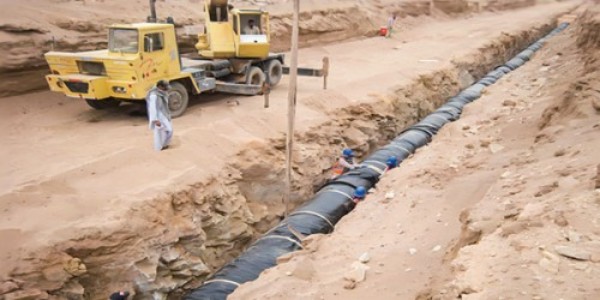
Introduction
Selecting the correct pressure class is critical for pipeline safety and longevity. Choosing the wrong class can lead to pipe failure, costly repairs, or unnecessary expense from over-specification.
K7, K8, and K9 refer to different pressure ratings for ductile iron pipes. Each class has specific wall thickness and pressure capabilities.
This guide helps you understand the differences and choose the right pressure class for your project.
What Do K7, K8, and K9 Mean?
K7, K8, and K9 are pressure class designations for ductile iron pipes according to ISO 2531 and EN 545 standards.
Pressure Class | PN Rating | Typical Use | Relative Cost |
K7 | PN10 (10 bar) | Low pressure, irrigation | Lowest |
K8 | PN16 (16 bar) | Medium pressure, water supply | Medium |
K9 | PN25 (25 bar) | High pressure, main lines | Highest |
When Should You Choose K7?
K7 is suitable for:
· Low-pressure irrigation systems
· Gravity flow sewage systems
· Non-critical applications with minimal external loads
· Budget-conscious projects with low operating pressures
When Should You Choose K8?
K8 is suitable for:
· Municipal water distribution systems
· Medium-pressure industrial applications
· Areas with moderate soil and traffic loads
· Standard water supply projects
When Should You Choose K9?
K9 is suitable for:
· High-pressure water transmission mains
· Critical infrastructure with high safety requirements
· Areas with heavy traffic loads or poor soil conditions
· Projects requiring maximum safety margin
Key Factors in Pressure Class Selection
· Operating Pressure - The maximum working pressure of your system is the primary factor. Always select a class with PN rating above your maximum operating pressure.
· External Loads - Consider soil weight, traffic loads, and installation depth. Heavier loads require higher pressure classes.
· Safety Requirements - Critical infrastructure like hospitals or industrial facilities may require higher safety margins.
· Budget Constraints - Higher pressure classes cost more. Balance safety requirements with project budget.
· Future Expansion - Consider potential pressure increases from system expansion.
Cost Differences Between Classes
Higher pressure classes cost more due to increased material (thicker walls).
K8 typically costs 10-15% more than K7 for the same diameter.
K9 typically costs 20-30% more than K7 for the same diameter.
However, the cost difference is small compared to total project cost and installation expenses.
Common Mistakes to Avoid
· Mistake 1: Selecting based on price alone - Lower class may fail under actual conditions.
· Mistake 2: Ignoring external loads - Soil and traffic loads affect pipe performance.
· Mistake 3: Not considering water hammer - Pressure surges can exceed normal operating pressure.
· Mistake 4: Over-specifying for cost savings - Higher class than needed wastes budget.
Selection Steps
1. Step 1 - Determine maximum operating pressure
2. Step 2 - Calculate external loads (soil, traffic)
3. Step 3 - Consider safety requirements and regulations
4. Step 4 - Evaluate potential pressure surges (water hammer)
5. Step 5 - Select class with appropriate safety margin
Conclusion
K7, K8, and K9 each serve different pressure requirements. K7 for low pressure, K8 for medium, and K9 for high-pressure applications.
The right choice balances operating conditions, safety requirements, and budget considerations. When in doubt, consult with your pipe supplier for project-specific recommendations.
FAQ
Q: What is the difference between K7, K8, and K9?
A: They have different pressure ratings. K7 is PN10 (10 bar), K8 is PN16 (16 bar), and K9 is PN25 (25 bar). Higher numbers mean higher pressure capability.
Q: Which pressure class is most common?
A: K9 is most commonly specified for municipal water and sewage systems due to its safety margin and versatility.
Q: Can I use K7 instead of K9 to save cost?
A: Only if your operating pressure and external loads are within K7 limits. Never downgrade without engineering approval.
Q: How much more does K9 cost than K7?
A: K9 typically costs 20-30% more than K7 for the same diameter, but this is small compared to total project cost.
Q: What standards apply to these pressure classes?
A: ISO 2531 and EN 545 are the main international standards. Some regions also use AWWA C151 for ductile iron pipe.
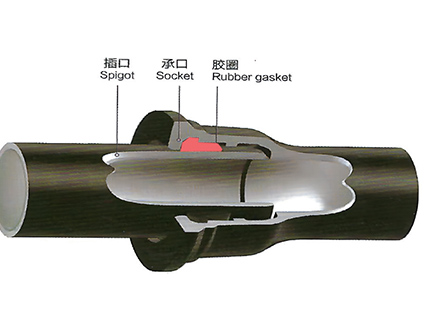 GT-type Joint Ductile Iron Pipe
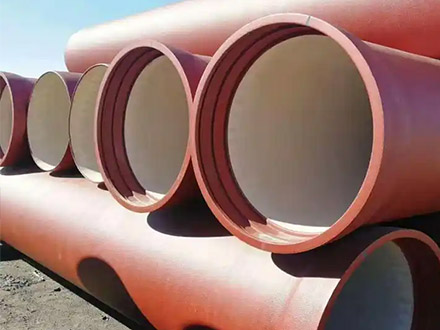
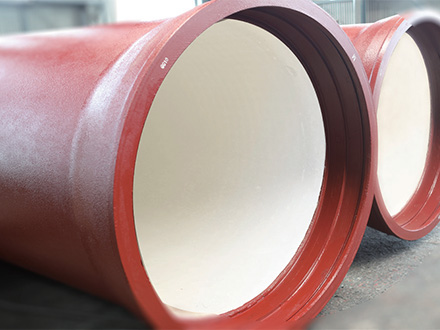 Sewage Pipe (Ductile Iron Sewage Pipe)
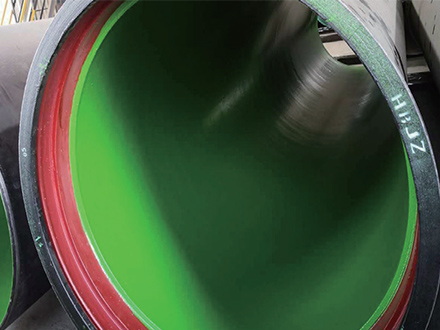 Special Coating Pipe (Ductile Iron Pipe with Special Coatings)