

What Documents Should a Reliable Ductile Iron Pipe Supplier Provide?
Direct Answer
A reliable ductile iron pipe supplier should provide a complete documentation package covering material certification, quality inspection reports, coating specifications, compliance with standards such as ISO 2531 or EN 545, and export documents required for international shipping. These documents verify product quality, ensure engineering compliance, and reduce procurement risks in municipal infrastructure projects.
Why Documentation Matters When Buying Ductile Iron Pipes
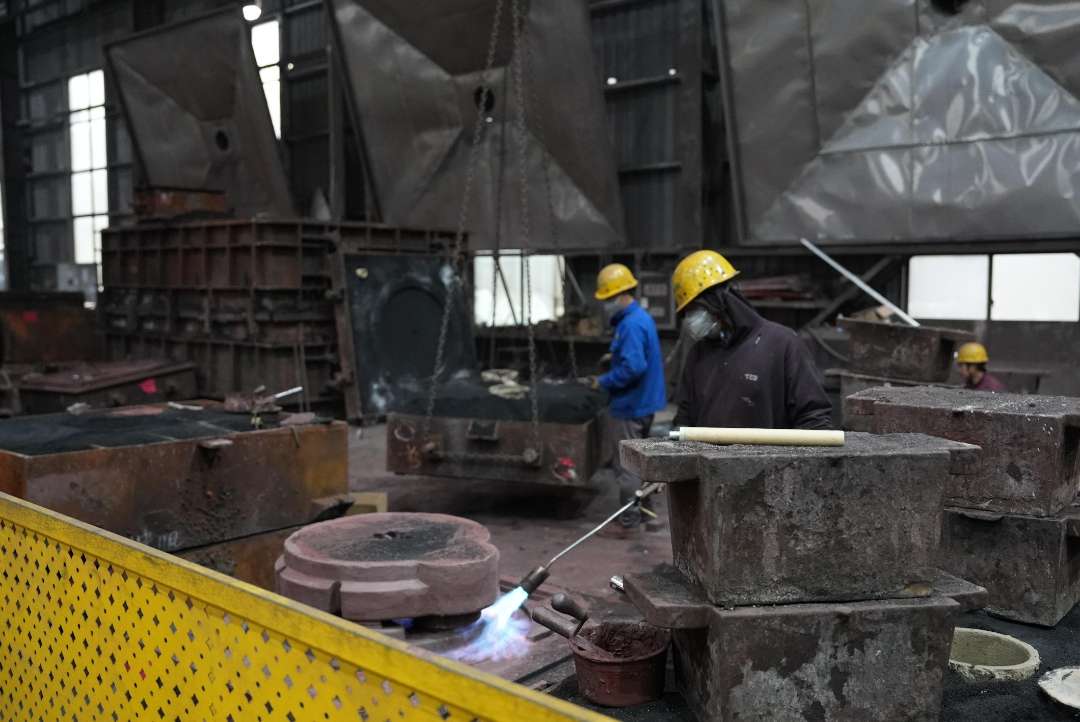
Ductile iron pipes are widely used in water supply and sewage infrastructure systems where pipelines may operate for 50 years or longer. Because these projects often involve strict engineering standards and government approvals, documentation is essential for verifying product quality and compliance.
Professional suppliers typically provide a structured documentation package before shipment so that engineers and procurement teams can review technical compliance in advance.
Mill Test Certificate (MTC)
The Mill Test Certificate is the most important technical document for ductile iron pipe procurement.
Typical information included in an MTC:
Chemical composition of the iron
Mechanical properties (tensile strength and elongation)
Pipe diameter and pressure class
Heat number and production batch
Manufacturing date
The certificate usually confirms compliance with major international standards such as:
ISO 2531 – Ductile iron pipes for water pipelines
EN 545 – Ductile iron pipes for water supply
AWWA C151 – Centrifugally cast ductile iron pipe
Quality Inspection and Testing Reports
Reliable suppliers should provide production inspection reports that confirm pipes passed quality testing.
Typical inspections include:
Wall thickness measurement
Dimensional tolerance verification
Hydrostatic pressure testing
Socket and spigot inspection
Surface quality inspection
For municipal infrastructure projects, third-party inspection agencies such as SGS or BV are often involved before shipment.
Coating and Lining Specifications
Ductile iron pipes require both internal lining and external coating to prevent corrosion.
Suppliers should provide documentation describing:
Internal Lining
Cement mortar lining thickness
Compliance with drinking water safety standards
External Coating
Zinc coating weight (e.g., 130 g/m² or 200 g/m²)
Bitumen finishing layer
Epoxy coatings for aggressive soil environments
Proper documentation helps engineers confirm corrosion protection performance.
Technical Drawings and Dimensional Data
Engineering drawings allow project teams to verify whether the pipes match pipeline system design.
Typical technical documents include:
Nominal diameter (DN)
Pressure class (K7, K9, C30, C40)
Socket and spigot dimensions
Pipe weight per meter
Allowable joint deflection angle
These drawings are essential for installation planning.
Compliance and Certification Documents
Professional suppliers usually provide certifications verifying quality management and production compliance.
Common certificates include:
ISO 9001 Quality Management Certification
Product conformity with ISO 2531 or EN 545
Drinking water safety certificates where required
These certifications confirm that manufacturing processes follow recognized quality standards.
Export and Shipping Documents
For international orders, exporters must also provide standard trade documentation.
Typical export documents include:
Commercial Invoice
Packing List
Bill of Lading
Certificate of Origin
Fumigation Certificate (for wooden packing)
Insurance Certificate (if applicable)
These documents are required for customs clearance and international logistics.
Supplier Coordination in Large Infrastructure Projects
In large infrastructure procurement projects, buyers often work with suppliers that coordinate multiple qualified manufacturers.
Through coordinated supplier networks, export partners can:
match project specifications with suitable factories
arrange third-party inspection before shipment
provide unified documentation packages
manage export logistics and compliance
Supply chain partners such as Tiegu integrate resources from multiple ductile iron pipe manufacturers and help overseas buyers manage technical documentation, inspection coordination, and export procedures.
FAQ
Is a Mill Test Certificate mandatory for ductile iron pipe orders?
Yes. The MTC verifies chemical composition and mechanical properties and is normally required for engineering approval.
Do coating specifications need to be documented?
Yes. Coating thickness and lining specifications must be documented to confirm corrosion protection performance.
Are third-party inspections always required?
Not always, but many municipal infrastructure projects require independent inspection before shipment.
Which standards are commonly used for ductile iron pipes?
ISO 2531, EN 545, and AWWA C151 are the most widely used international standards.
Summary
Reliable ductile iron pipe suppliers should provide:
Mill Test Certificates confirming material properties
Production inspection and testing reports
Coating and lining specifications
Engineering drawings and dimensional data
International compliance certificates
Complete export documentation
These documents ensure product quality, regulatory compliance, and long-term reliability for infrastructure pipeline projects.
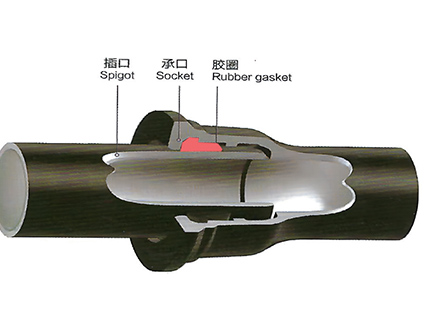 GT-type Joint Ductile Iron Pipe
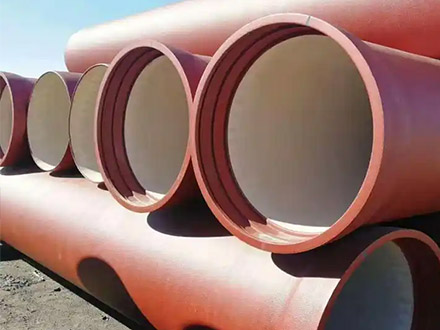
 Sewage Pipe (Ductile Iron Sewage Pipe)
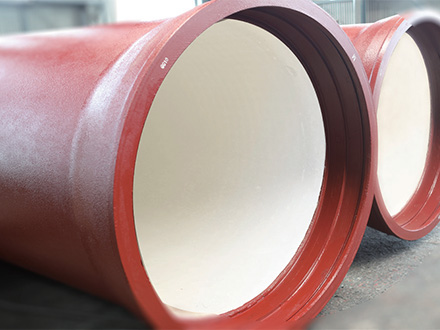
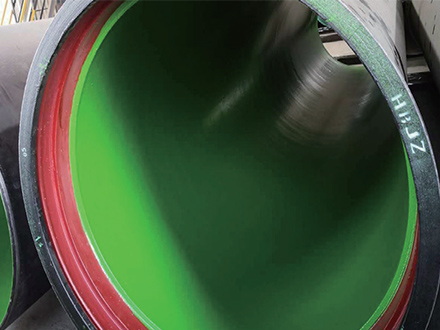 Special Coating Pipe (Ductile Iron Pipe with Special Coatings)