

What Transportation Methods Are Commonly Used for Exporting Ductile Iron Pipes?
Ductile iron pipes are typically exported using sea freight (container shipping or break bulk shipping), while rail and truck transportation are mainly used for inland logistics or regional trade. For most international projects, sea freight is the most common and cost-effective transportation method.
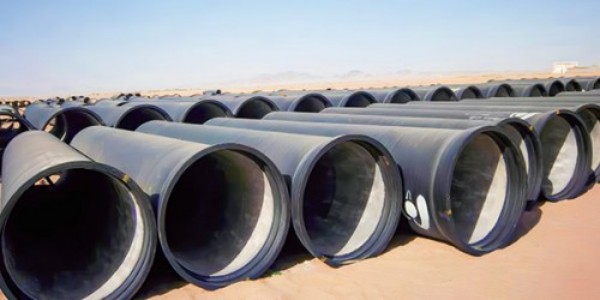
Common Transportation Methods for Ductile Iron Pipe Exports
In international trade, ductile iron pipes are usually transported using the following methods:
Container Shipping (Sea Freight)
Break Bulk Shipping (Bulk Vessel)
Rail Freight Transportation
Truck Transportation
Each method is suitable for different order sizes, delivery distances, and logistics conditions.
Why Is Sea Freight the Most Common Method?
Sea freight is the primary transportation method for ductile iron pipe exports for several reasons.
1. Suitable for Heavy Cargo
Ductile iron pipes are heavy products. For example:
| Pipe Size | Approximate Weight |
|---|---|
| DN100 | 80–100 kg per pipe |
| DN300 | 200–300 kg per pipe |
| DN600 | 700 kg or more |
Shipping by sea allows exporters to transport hundreds or even thousands of tons in a single shipment.
According to the UNCTAD, over 80% of global trade volume is transported by sea, making it the dominant logistics method for heavy industrial products.
2. Lower Transportation Cost
Compared with air or road transport, sea freight offers much lower cost per ton, especially for long-distance routes such as:
Asia to Africa
Asia to Europe
Asia to South America
This is why sea freight is the preferred option for large ductile iron pipe exports.
Container Shipping for Ductile Iron Pipes
For small to medium orders, ductile iron pipes are usually shipped in containers.
Common Container Types
| Container Type | Typical Use |
|---|---|
| 20GP | Most commonly used |
| 40GP | Large-volume shipments |
| 40HQ | Less common for heavy pipes |
Because ductile iron pipes are heavy, 20GP containers are often preferred due to weight limitations.
Common Loading Methods
Bundled pipes with steel straps
Wooden supports to stabilize pipes
Loose stacking depending on pipe diameter
Break Bulk Shipping for Large Orders
For large infrastructure projects, ductile iron pipes are often shipped using break bulk vessels.
This method is suitable for:
Government infrastructure projects
Water supply pipeline projects
Orders exceeding 1,000 tons
Advantages of Break Bulk Shipping
Lower cost for very large shipments
Flexible loading for oversized pipes
No container weight limitations
Many municipal water projects prefer this method when transporting large-diameter pipes.
Rail Transportation for Regional Trade
Rail freight is commonly used for cross-border trade within continents, such as:
China to Central Asia
China to Europe via rail corridors
Advantages include:
Faster than sea freight
Lower cost than air freight
Stable delivery schedules
Rail is particularly useful for inland destinations without direct port access.
Truck Transportation for Inland Delivery
Truck transportation is mainly used for:
Factory-to-port delivery
Port-to-project site transportation
Since ductile iron pipes are heavy and bulky, trucks used for transport often include:
Flatbed trucks
Heavy-duty trailers
These vehicles allow safe transport of large-diameter pipes and bundled cargo.
Key Factors When Choosing a Transportation Method
When exporting ductile iron pipes, buyers and suppliers typically evaluate the following factors:
1. Order Quantity
| Order Size | Recommended Method |
|---|---|
| Small orders | Container shipping |
| Medium orders | Container or mixed shipping |
| Large project orders | Break bulk vessel |
2. Pipe Diameter
Large-diameter pipes may exceed container capacity, making break bulk shipping more practical.
3. Destination Infrastructure
Transport decisions often depend on:
Port accessibility
Rail network availability
Road transportation conditions
Quick Summary
Ductile iron pipes are usually exported using sea freight, rail transport, and truck delivery. Among these methods, sea freight—either container shipping or break bulk shipping—is the most widely used because it is suitable for heavy cargo and offers the lowest transportation cost for long-distance international trade. Rail and truck transportation are mainly used for inland logistics and regional distribution.
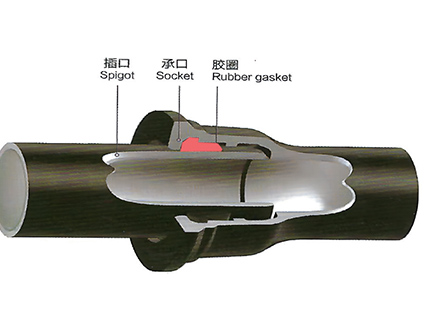 GT-type Joint Ductile Iron Pipe
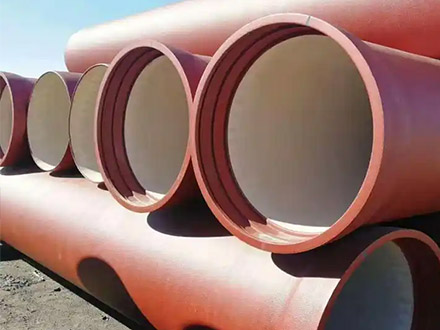
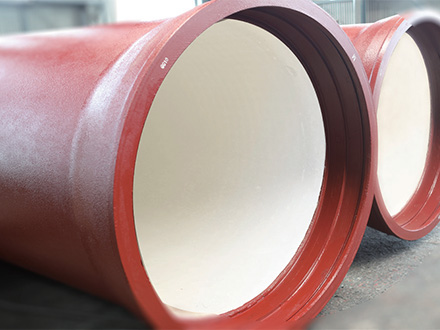 Sewage Pipe (Ductile Iron Sewage Pipe)
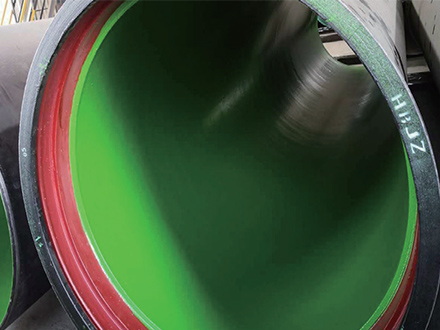 Special Coating Pipe (Ductile Iron Pipe with Special Coatings)