

What Anti-Corrosion Coating Should Be Used for Ductile Iron Pipes in Desert Environments?
Desert pipeline projects present a unique set of challenges for ductile iron pipe systems. While many assume that corrosion risk is lower due to dry conditions, desert environments often create hidden long-term durability issues.
Extreme temperature fluctuation, soil salinity, wind-blown sand abrasion, and UV exposure can significantly impact external coatings.
Selecting the correct anti-corrosion system is therefore critical for long-term pipeline reliability.
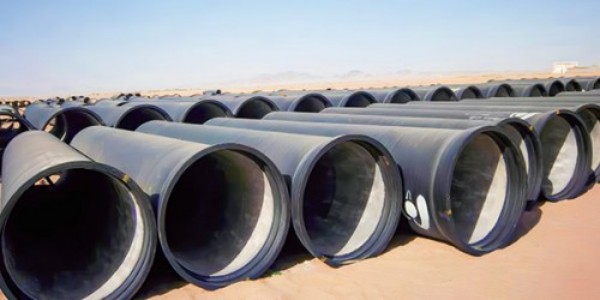
1️⃣ Key Environmental Factors in Desert Projects
Before selecting coating systems, buyers should evaluate:
• Soil Composition
Many desert regions contain:
High salt concentration
Alkaline soil
Localized moisture pockets after rainfall
Saline soil can accelerate electrochemical corrosion even in low-humidity areas.
• Temperature Variation
Desert environments often experience:
High daytime temperatures
Sharp nighttime cooling
Thermal expansion and contraction can stress coating layers, especially rigid systems.
• Sand Abrasion
Wind-driven sand can gradually erode external coatings, particularly on exposed or shallow-buried pipelines.
• UV Exposure (Above-Ground Sections)
If pipes are partially exposed or temporarily stored on-site, UV stability becomes relevant.
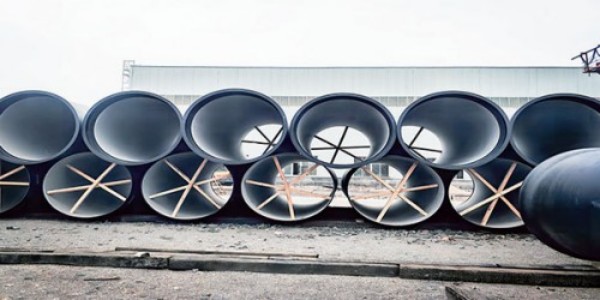
2️⃣ Common External Coating Options for Desert Conditions
1. Zinc + Bituminous Coating (Standard Option)
This is the conventional external protection system for ductile iron pipes:
Metallic zinc layer
Bituminous finishing layer
Advantages:
Cost-effective
Widely standardized
Suitable for moderate soil conditions
Limitations:
May not provide sufficient protection in highly saline desert soils
2. Enhanced Zinc-Aluminum Alloy Coating
Enhanced zinc-aluminum alloy coating provides improved corrosion resistance in saline desert soils. For a broader overview of ductile iron pipe external protection systems, you can review our detailed anti-corrosion coating guide.
Upgraded metallic coating system:
Zinc-aluminum alloy (e.g., 85% Zn + 15% Al)
Protective finishing layer
Advantages:
Higher corrosion resistance
Better long-term stability in aggressive soil
Often recommended in:
Coastal deserts
High-salinity areas
3. Polyethylene (PE) Sleeving
Loose polyethylene encasement around pipe:
Provides physical isolation from soil
Additional protection in aggressive environments
Often used in combination with zinc-based coating systems.
4. Epoxy or Polyurethane External Coatings
Used in highly aggressive environments:
Strong chemical resistance
Enhanced durability
Considerations:
Higher cost
Requires strict application quality control
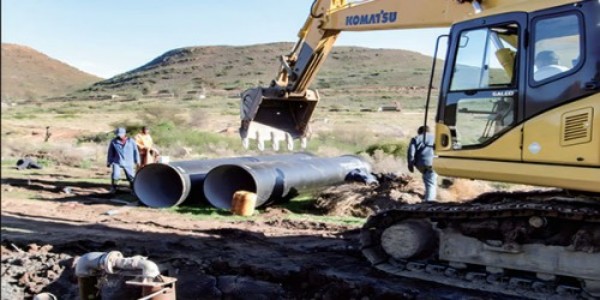
3️⃣ Internal Lining Consideration
In desert water supply projects, internal lining selection also matters.
Common options:
Cement mortar lining (standard water supply use)
Epoxy lining (if aggressive water chemistry)
Water composition testing is recommended before confirmation.
4️⃣ Common Risks in Desert Pipeline Projects
Risk 1: Assuming “Dry Means Safe”
Low rainfall does not eliminate corrosion risk. Salt concentration and soil chemistry remain critical.
Risk 2: Underestimating Temperature Stress
Coating cracking may occur if expansion behavior is not considered.
Risk 3: Incomplete Soil Analysis Before Specification
Without soil resistivity and chemical analysis, coating decisions are often made based on assumptions.
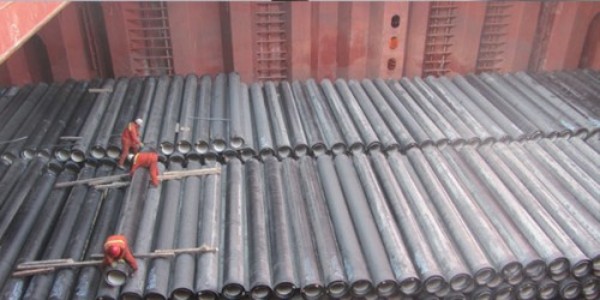
5️⃣ Structured Coating Selection Path
International buyers can follow this approach:
Step 1 – Conduct Soil Analysis
Measure resistivity, chloride content, sulfate levels.
Step 2 – Confirm Project Lifetime Requirement
Design life target (30 years? 50 years?).
Step 3 – Evaluate Mechanical Exposure Risk
Sand abrasion? Heavy vehicle traffic?
Step 4 – Align Applicable Standards
EN 545 or other project standards.
Step 5 – Confirm Coating System Compatibility with Supply Network
Coating must align with manufacturer capability and inspection procedures.
Desert Ductile Iron Pipe Coating Checklist
Before confirming coating specification:
✔ Soil resistivity report available
✔ Salinity level documented
✔ Temperature fluctuation evaluated
✔ Project design lifetime defined
✔ External coating thickness specified
✔ Internal lining standard confirmed
✔ Third-party inspection scope defined
✔ Storage and transportation protection planned
A structured confirmation process reduces long-term maintenance risks.
6️⃣ Project Coordination Matters
Instead of operating as a single manufacturer,
Tiegu integrates qualified ductile iron pipe producers across China and supports structured supply coordination for international infrastructure projects.
Through coordinated technical confirmation and inspection alignment, coating specifications can be matched with production capability and export planning requirements.
This improves long-term execution stability in challenging environments such as desert regions.
Ductile iron pipe supply solutions
FAQ – Desert Ductile Iron Pipe Coating
Q1: Is standard zinc coating enough for desert areas?
It depends on soil chemistry. In high-salinity soil, enhanced alloy coating or additional protection may be required.
Q2: Should PE sleeving always be used?
Not always. It depends on soil aggressiveness classification and project budget.
Q3: Does internal lining matter in desert projects?
Yes. Water chemistry may vary significantly. Internal corrosion must also be evaluated.
Conclusion
Coating selection in desert environments requires structured evaluation. Our anti-corrosion coating coordination approach helps align soil conditions, project lifespan targets, and supplier capability.
Correct coating selection should balance:
Soil aggressiveness
Temperature stress
Mechanical abrasion risk
Project lifetime target
Supplier production capability
Early technical alignment significantly reduces long-term pipeline risk.
If you are planning a desert infrastructure project, structured coating confirmation at the specification stage can improve long-term reliability.
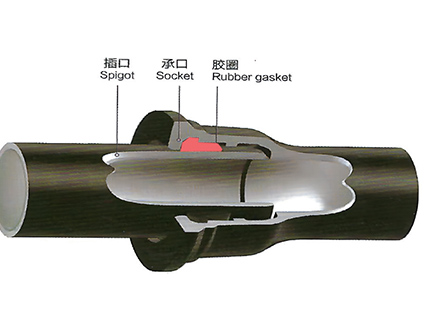 GT-type Joint Ductile Iron Pipe
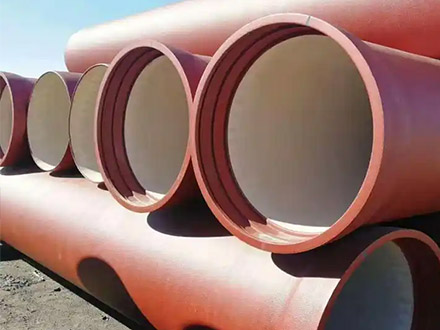
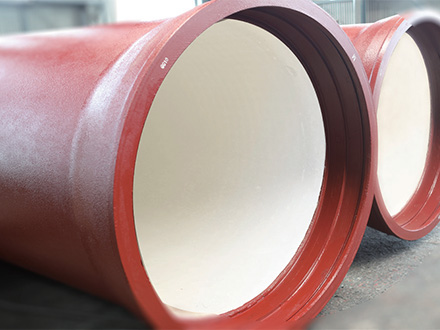 Sewage Pipe (Ductile Iron Sewage Pipe)
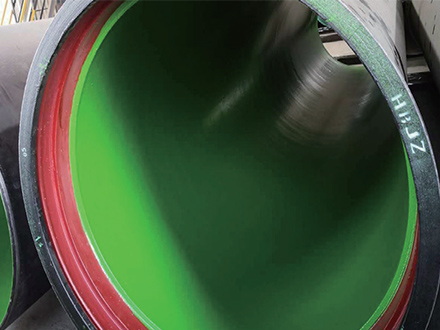 Special Coating Pipe (Ductile Iron Pipe with Special Coatings)